Keeping your roof in top shape is essential for protecting your home from weather damage and costly repairs. A thorough roof inspection checklist helps homeowners spot issues early, maintain structural integrity, and extend the life of their roofing materials. By following a seasonal routine, you can catch problems before they escalate, saving time and money in the long run.
Whether you have asphalt shingles, metal panels, or another roofing type, regular checks are vital. This guide outlines what to examine each season, offers practical tips for DIY inspections, and highlights when to call a professional. If you’re interested in learning more about fixing specific issues, our detailed resource on asphalt roof leak repair covers common leak sources and repair strategies.
Why Seasonal Roof Inspections Matter
Each season brings unique challenges for your roof. From heavy rains and snow to high winds and UV exposure, weather can cause wear and tear that isn’t always visible from the ground. Using a roof inspection checklist tailored to the time of year helps you:
- Catch minor issues before they become major repairs
- Prevent water damage, mold, and structural problems
- Maintain your home’s energy efficiency
- Protect your investment and increase roof longevity
Routine inspections also make it easier to plan for future maintenance or upgrades, such as budgeting for a new roof or scheduling professional services. If you’re considering a replacement, our roof replacement pricing guide provides tips on saving money and getting accurate quotes.
Spring Roof Inspection: Recovering from Winter
As winter ends, it’s important to assess your roof for damage caused by snow, ice, and fluctuating temperatures. Here’s what to include in your spring review:
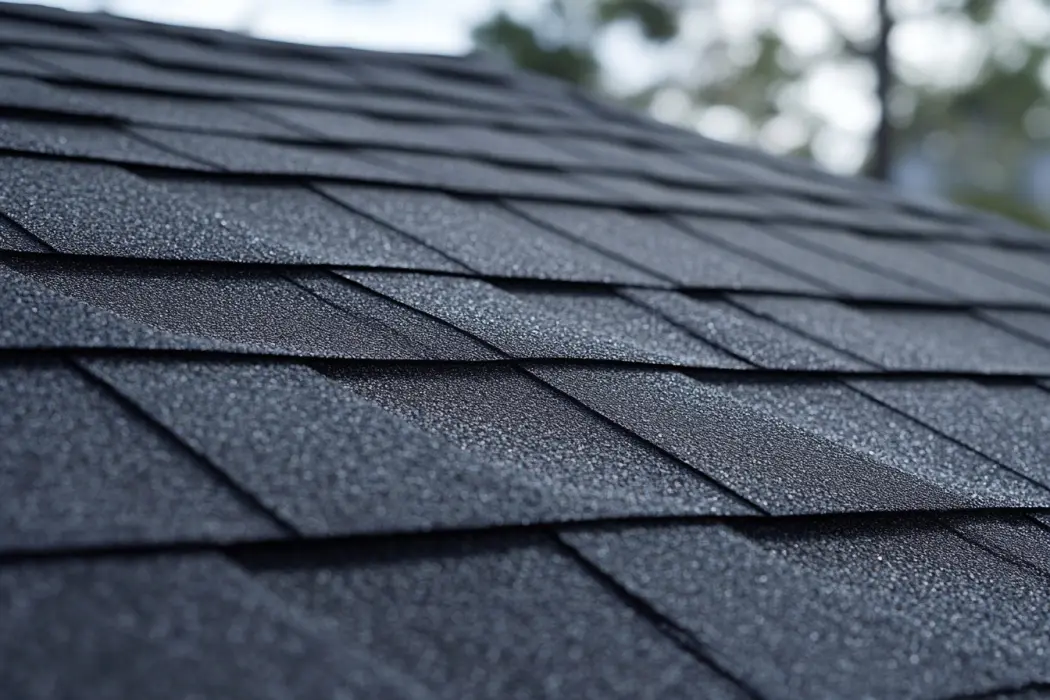
- Shingle Condition: Look for cracked, curling, or missing shingles. Damaged shingles can lead to leaks and should be replaced promptly. For DIY fixes, see our article on how to repair asphalt shingles.
- Flashing and Seals: Check metal flashing around chimneys, vents, and skylights for rust or gaps. Ensure sealant is intact and not peeling.
- Gutter Health: Clean out debris and make sure gutters and downspouts are securely attached and draining properly.
- Attic Inspection: Look for signs of water stains, mold, or daylight coming through the roof boards.
Summer Checklist: Preparing for Heat and Storms
Summer brings intense sun, heat, and the risk of severe storms. Use this time to:
- Inspect for UV Damage: Prolonged sun exposure can cause shingles to blister or fade. Look for brittle or warped materials.
- Check for Algae and Moss: Warm, humid conditions can promote growth. Remove moss carefully and consider installing zinc or copper strips to prevent regrowth.
- Secure Loose Materials: High winds and storms can dislodge shingles, flashing, or gutters. Make sure everything is firmly attached.
- Trim Overhanging Branches: Branches can scrape or puncture the roof during storms. Keep trees trimmed back from your roofline.
For more on the types of shingles that perform well in summer conditions, see this comprehensive guide to roofing shingle types.
Fall Maintenance: Getting Ready for Cold Weather
Autumn is the perfect time to prepare your roof for winter’s challenges. Focus on the following:
- Clear Debris: Remove leaves, twigs, and dirt from the roof and gutters to prevent blockages and water backup.
- Check for Loose Shingles: Wind and rain can loosen shingles. Replace or reattach any that are not secure.
- Inspect Attic Ventilation: Proper airflow prevents ice dams and moisture buildup. Make sure vents are clear and functioning.
- Seal Gaps: Use roofing sealant to close any gaps around vents, pipes, or flashing. This helps keep out water and pests.

Winter Watch: Monitoring for Ice and Moisture
Cold weather can be harsh on your roof. While it’s not always safe to climb up in winter, you can still perform visual checks from the ground and inside your attic:
- Look for Ice Dams: Ice buildup along the eaves can force water under shingles. Watch for icicles and water stains on exterior walls.
- Check for Leaks: After snow or freezing rain, inspect your attic for drips, damp insulation, or musty odors.
- Monitor for Sagging: Heavy snow can add weight and stress. If you notice sagging or bowing, contact a professional immediately.
For urgent repairs during winter, our article on asphalt shingle roof repair offers fast solutions for common damage.
Essential Tools for a Thorough Roof Check
Having the right equipment makes seasonal inspections safer and more effective. Consider these tools:
- Sturdy ladder with stabilizer arms
- Work gloves and non-slip shoes
- Binoculars for ground-level checks
- Roofing hammer and pry bar
- Caulk gun and roof sealant
- Notebook or mobile device for documenting issues
Always prioritize safety. If you’re uncomfortable with heights or notice significant damage, hire a licensed roofing contractor for a professional assessment.
When to Call a Professional
While many homeowners can handle basic inspections, some situations require expert help. Contact a roofing professional if you notice:
- Widespread shingle loss or severe granule loss
- Persistent leaks or water stains inside your home
- Visible sagging or structural concerns
- Storm or hail damage affecting large roof areas
Getting an asphalt roof estimate from a reputable contractor helps you understand repair costs and options.
FAQ: Seasonal Roof Inspection Questions
How often should I use a roof inspection checklist?
It’s best to review your roof at least twice a year—typically in spring and fall. However, after major storms or extreme weather events, an extra inspection is wise to catch any new damage.
What are the most common signs of roof problems?
Watch for missing or damaged shingles, cracked flashing, clogged gutters, water stains in the attic, and sagging rooflines. Early detection is key to preventing costly repairs.
Can I inspect my roof myself, or should I hire a professional?
Many homeowners can perform basic visual checks from the ground or with a ladder. For complex issues, steep roofs, or if you’re unsure about what you see, a professional inspection is recommended for safety and accuracy.
Conclusion
Following a seasonal roof inspection checklist is one of the most effective ways to protect your home and avoid unexpected expenses. By staying proactive and addressing minor issues quickly, you’ll extend the life of your roof and maintain peace of mind year-round. For more tips and repair guides, explore our resources on DIY shingle repair and fast asphalt shingle fixes.