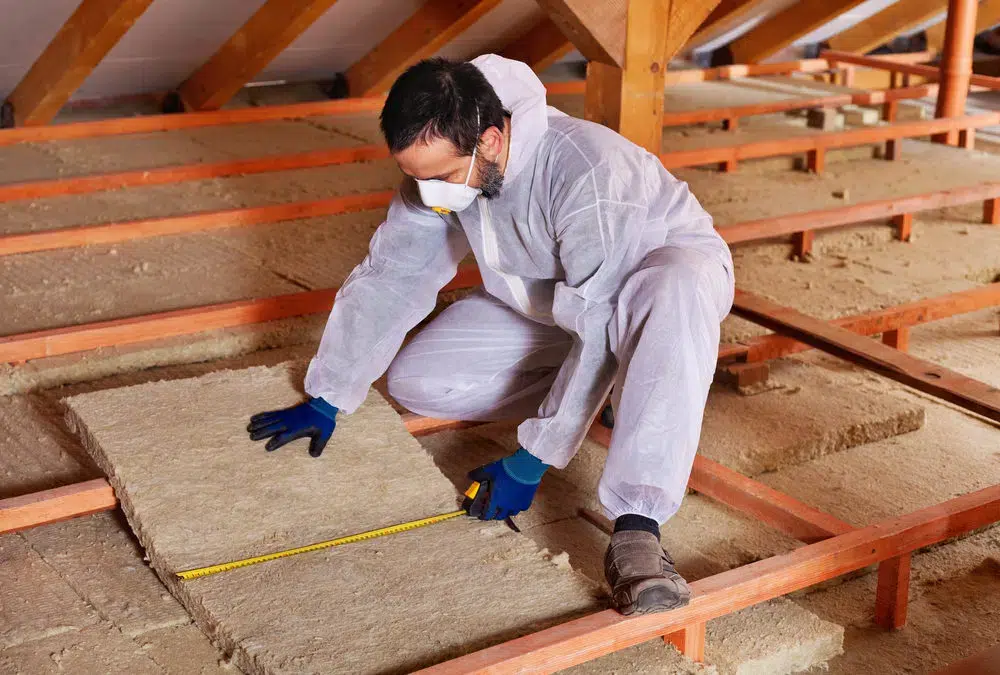
Understanding the role of roof insulation in your home’s heating, ventilation, and air conditioning (HVAC) system is crucial for optimizing energy efficiency and comfort. Proper insulation not only helps maintain a consistent indoor temperature but also reduces energy consumption, leading to lower utility bills. This guide explores the impact of roof insulation on HVAC systems, offering insights into how it can enhance performance and efficiency.
For those interested in the latest advancements in roofing technology, exploring latest solar roofing technology can provide additional insights into energy-efficient solutions.
The Importance of Roof Insulation
Roof insulation plays a pivotal role in regulating the temperature within a building. It acts as a barrier to heat flow, keeping heat inside during the winter and outside during the summer. This thermal resistance is measured by the R-value, which indicates the insulation’s effectiveness. A higher R-value means better insulation performance, which is essential for reducing the workload on HVAC systems.
Energy Efficiency Benefits
By improving the thermal envelope of a building, roof insulation significantly enhances energy efficiency. It minimizes the need for heating and cooling, allowing HVAC systems to operate more efficiently. This not only extends the lifespan of the HVAC equipment but also results in substantial energy savings.

Impact on HVAC Load
Proper insulation reduces the heating and cooling load on HVAC systems. By maintaining a stable indoor environment, it prevents the system from overworking to compensate for temperature fluctuations. This reduction in load not only improves system efficiency but also decreases maintenance needs and prolongs the life of the equipment.
Types of Roof Insulation
Various types of insulation materials are available, each with its own advantages. Common options include fiberglass, cellulose, and spray foam. Choosing the right type depends on factors like climate, roof design, and budget. Each material offers different levels of thermal resistance and installation methods.
Fiberglass Insulation
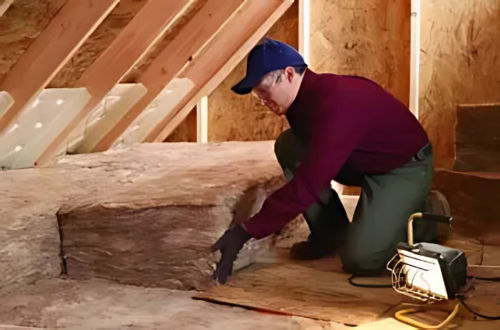
Fiberglass is one of the most common insulation materials due to its affordability and effectiveness. It is made from fine glass fibers and is available in batts or rolls. Fiberglass is easy to install and provides good thermal resistance, making it a popular choice for many homeowners.
Cellulose Insulation
Made from recycled paper products, cellulose insulation is an eco-friendly option. It is treated with fire retardants for safety and offers excellent thermal performance. Cellulose is typically blown into attics and walls, providing a seamless layer of insulation that reduces air leaks.
Spray Foam Insulation
Spray foam insulation expands upon application, filling gaps and creating an airtight seal. It offers superior thermal resistance and is ideal for hard-to-reach areas. Although more expensive, spray foam provides excellent insulation and can significantly enhance HVAC efficiency.
Maintaining Your Insulation
Regular maintenance of roof insulation is essential to ensure its effectiveness. Over time, insulation can settle or become damaged, reducing its R-value. Inspecting insulation periodically and addressing any issues promptly can help maintain optimal HVAC performance.
For those considering integrating solar solutions into their roofing, learning about solar roofing market trends can provide valuable insights into future-proofing your home.
FAQs
How does roof insulation affect energy bills?
Proper roof insulation reduces the need for heating and cooling, leading to lower energy consumption and decreased utility bills.
Can insulation improve indoor air quality?
Yes, by reducing drafts and air leaks, insulation can help maintain a consistent indoor environment, which can improve air quality.
What is the best type of insulation for my home?
The best type of insulation depends on your specific needs, including climate, budget, and roof design. Consulting with a professional can help determine the most suitable option.