Planning to install a solar roof is a smart step toward energy independence and sustainability. However, determining the right system size for your home or business can be complex. This solar roofing system sizing guide will walk you through the essential factors, calculations, and considerations to help you choose the most effective setup for your needs. Whether you’re aiming to reduce your utility bills, minimize your carbon footprint, or achieve complete off-grid living, understanding how to size your solar array is crucial for long-term success.
Before diving into the technical details, it’s helpful to understand the broader benefits of solar roofing. If you’re interested in how solar installations can contribute to a greener future, explore the solar roofing sustainability benefits for a comprehensive overview.
Understanding Your Energy Needs
The first step in sizing a solar roofing system is to analyze your energy consumption. Review your electricity bills from the past year to determine your average monthly and daily usage, measured in kilowatt-hours (kWh). This information forms the foundation for calculating how much solar power you’ll need to generate.
- Monthly kWh Usage: Add up your monthly electricity usage for a full year and divide by 12 for the average.
- Daily kWh Usage: Divide your average monthly usage by 30 to estimate your daily needs.
For example, if your annual consumption is 9,000 kWh, your average monthly usage is 750 kWh, and your daily usage is about 25 kWh.
Key Factors Affecting Solar Array Size
Several variables influence the size of the solar system you’ll require. Here are the most significant:
- Roof Space: The available area on your roof determines how many panels you can install. Shaded or north-facing sections may be less effective.
- Panel Efficiency: Higher-efficiency panels generate more power per square foot, allowing you to maximize limited space.
- Sunlight Hours: The average number of peak sunlight hours in your location directly impacts energy production. Southern regions typically receive more sunlight than northern ones.
- System Losses: Inverters, wiring, and other components introduce energy losses, typically around 10-20%. It’s important to factor this into your calculations.
Calculating the Right System Size
To estimate the size of your solar roofing system, use the following formula:
System Size (kW) = Daily Energy Usage (kWh) / (Average Sunlight Hours × System Efficiency)
For example, if you use 25 kWh per day, receive 5 sunlight hours daily, and assume 80% system efficiency:
- 25 kWh / (5 × 0.8) = 6.25 kW
This means you would need a 6.25 kW system to meet your daily energy needs.
Panel Types and System Options
There are several types of solar panels and roofing systems available, each with unique characteristics:
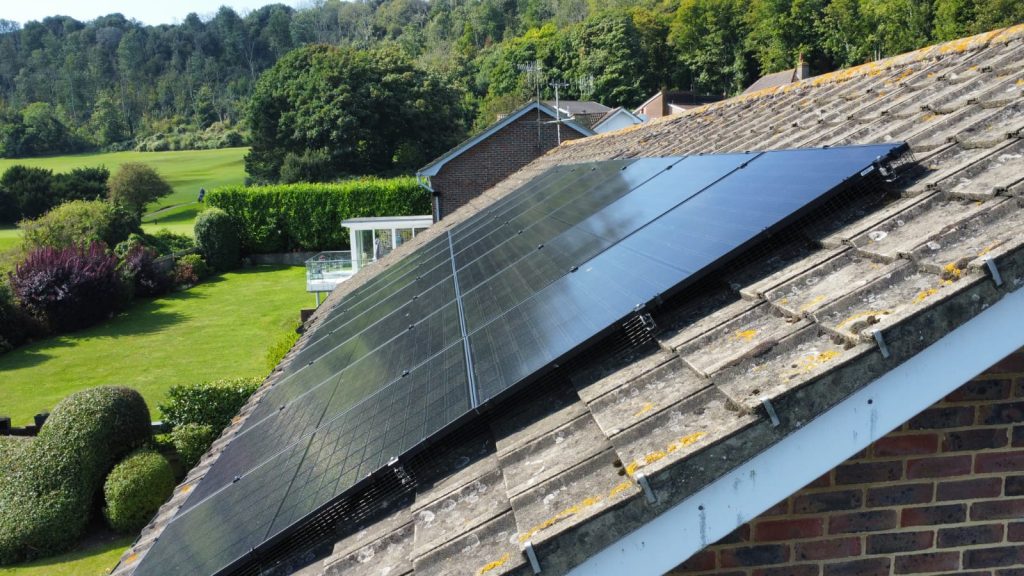
- Monocrystalline Panels: High efficiency, long lifespan, and sleek appearance.
- Polycrystalline Panels: Slightly lower efficiency but often more affordable.
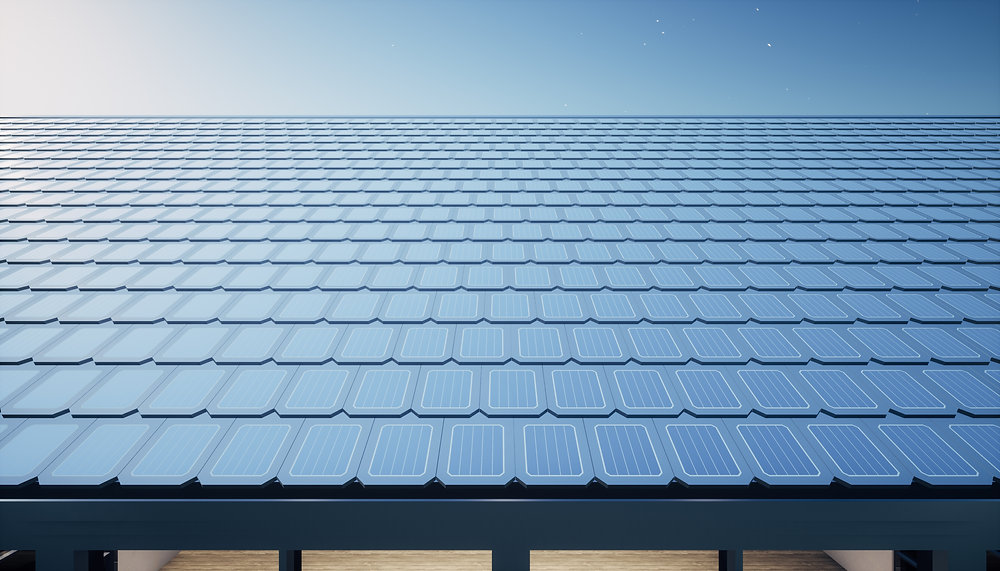
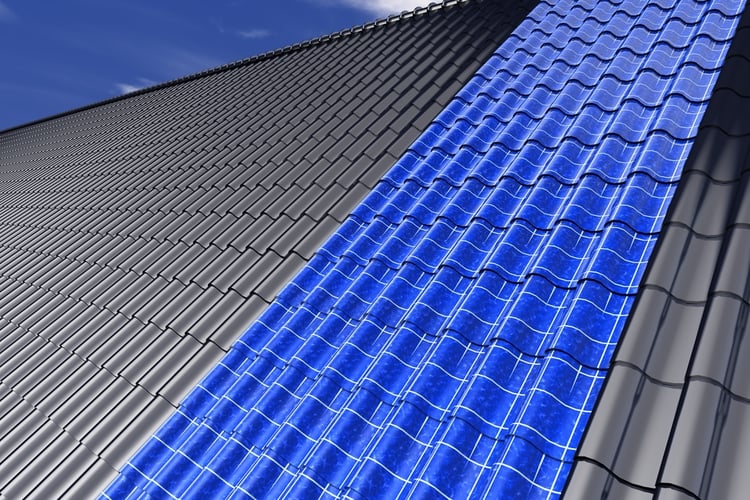
- Solar Shingles/Tiles: Integrated into the roof for a seamless look. Learn more about these innovative solutions in this detailed guide to solar tiles.
The choice of panel type can affect both the total system size and the installation cost. Integrated solar roofing products may require a different approach to sizing compared to traditional rack-mounted panels.
Roof Orientation and Tilt Considerations
The direction and angle of your roof play a significant role in solar energy production. South-facing roofs in the northern hemisphere receive the most sunlight, while east- and west-facing roofs can still be effective but may require more panels to achieve the same output.
- Optimal Tilt: The ideal tilt angle is usually equal to your latitude, but most residential roofs are fixed. Professional installers can adjust mounting systems to optimize performance.
- Shading: Trees, chimneys, and nearby buildings can reduce output. Use online tools or consult with an installer to assess shading impacts.
Budgeting and Payback Period
While the upfront investment for a solar roof can be significant, the long-term savings often justify the cost. Calculate your expected return on investment by comparing your current electricity expenses with projected savings. For a deeper look at financial returns, check out the solar roofing payback period resource.
Don’t forget to factor in available incentives, tax credits, and rebates, which can substantially reduce your net cost.
Environmental Impact and Energy Independence
Properly sizing your solar roofing system not only maximizes your energy savings but also reduces your environmental impact. By generating clean electricity, you help lower greenhouse gas emissions and support a more sustainable future. For more on how solar installations contribute to a cleaner planet, see the solar roofing environmental benefits article.
Achieving the right system size can also move you closer to energy self-sufficiency. If you’re interested in learning how solar roofing can help you become less reliant on the grid, the solar roofing energy independence guide offers practical insights.
Maintenance and System Longevity
Once your solar roof is installed, regular maintenance ensures optimal performance. Keep panels clean and free of debris, and schedule periodic inspections to check for damage or wear. Using the right tools, such as a dedicated roof cleaning brush, can make upkeep easier and extend the lifespan of your investment.
Frequently Asked Questions
How do I estimate the number of solar panels needed for my roof?
Start by dividing your required system size (in kW) by the wattage of the panels you plan to use. For example, if you need a 6 kW system and each panel is 400 watts, you’ll need 15 panels (6,000 ÷ 400 = 15).
Can I install a solar roofing system if my roof is shaded?
Shading can significantly reduce energy output. If your roof is partially shaded, consider microinverters or power optimizers to minimize losses. It’s best to consult with a professional to assess your specific situation.
What happens if my solar system produces more energy than I use?
Excess energy can often be sent back to the grid through net metering, earning you credits on your utility bill. Policies vary by location, so check with your local utility provider for details.
Conclusion
Choosing the right size for your solar roofing setup involves careful analysis of your energy needs, roof characteristics, and local sunlight conditions. By following the steps outlined in this guide, you can design a system that delivers maximum value and long-term benefits. For more detailed information on reducing your environmental footprint, visit the solar roofing carbon footprint reduction resource.
As solar technology continues to advance, homeowners and businesses have more options than ever for harnessing clean, renewable energy. Take the time to plan your system carefully, and you’ll enjoy reliable, sustainable power for years to come.