As temperatures rise, preparing your attic insulation for the summer months can make a significant difference in your home’s comfort and energy efficiency. Proper attic insulation summer preparation helps keep cool air inside, reduces the load on your air conditioning system, and can even extend the lifespan of your roof. Whether you’re a homeowner looking to save on energy bills or simply want to maintain a consistent indoor climate, understanding the right steps to get your attic ready for the heat is essential.
In addition to insulation, many homeowners are exploring new roofing technologies to further boost energy efficiency. If you’re interested in the latest advancements, you might find this overview of latest solar roofing technology helpful as you plan your summer upgrades.
Why Summer Preparation for Attic Insulation Matters
The attic is often overlooked when it comes to seasonal maintenance, but it’s one of the most critical areas for controlling indoor temperatures. During the summer, heat can build up in the attic, causing your air conditioner to work harder and increasing your energy bills. By focusing on attic insulation summer preparation, you can prevent heat transfer, maintain a cooler home, and reduce wear on your HVAC system.
Effective insulation acts as a barrier, slowing the movement of heat from your roof into your living spaces. Without adequate preparation, even the best insulation can underperform, leading to hot spots, uneven cooling, and higher costs.
Assessing Your Attic Before the Heat Arrives
Before making any upgrades or changes, it’s important to evaluate the current state of your attic. Start by inspecting the insulation for signs of damage, moisture, or compression. Look for areas where insulation may be thin or missing, as these spots are often the main culprits for heat gain.
- Check for air leaks: Gaps around vents, pipes, and wiring can let hot air in and cool air out.
- Look for water stains: Moisture can reduce insulation effectiveness and lead to mold.
- Measure insulation depth: Use a ruler to ensure your attic meets recommended R-values for your climate zone.
Key Steps for Effective Attic Insulation Summer Preparation
Getting your attic ready for summer involves more than just adding insulation. Here are some practical steps to ensure your home stays cool and efficient:
Seal Air Leaks and Improve Ventilation
Air leaks can undermine even the best insulation. Use caulk or spray foam to seal gaps around attic hatches, plumbing stacks, and electrical penetrations. Proper ventilation is also crucial—ridge vents, soffit vents, or attic fans help expel hot air and prevent moisture buildup.
Upgrade or Add Insulation Where Needed
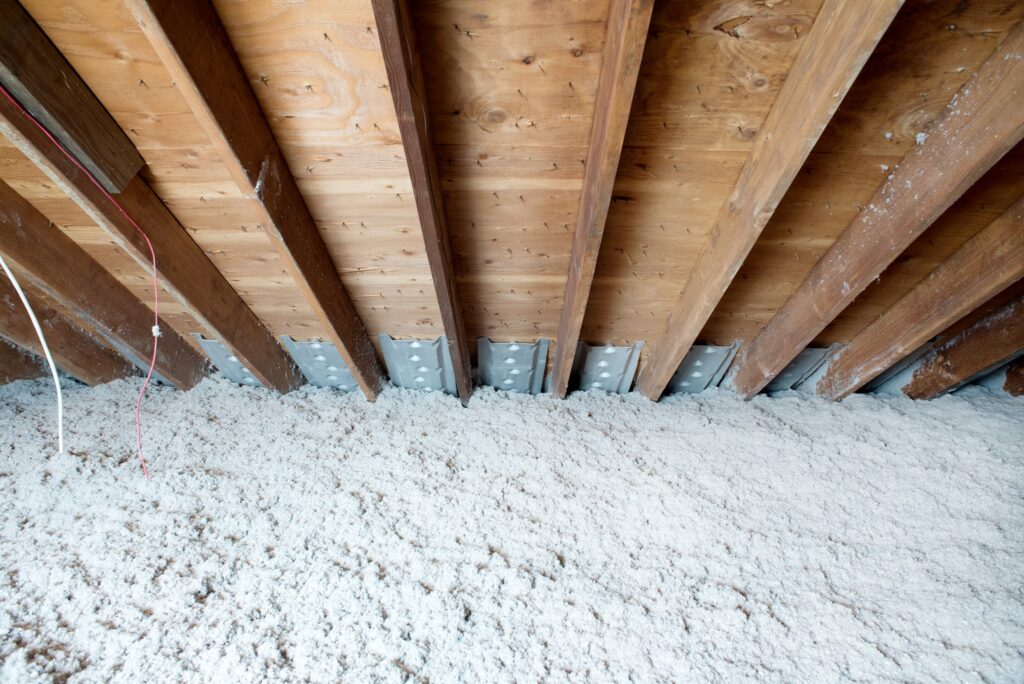
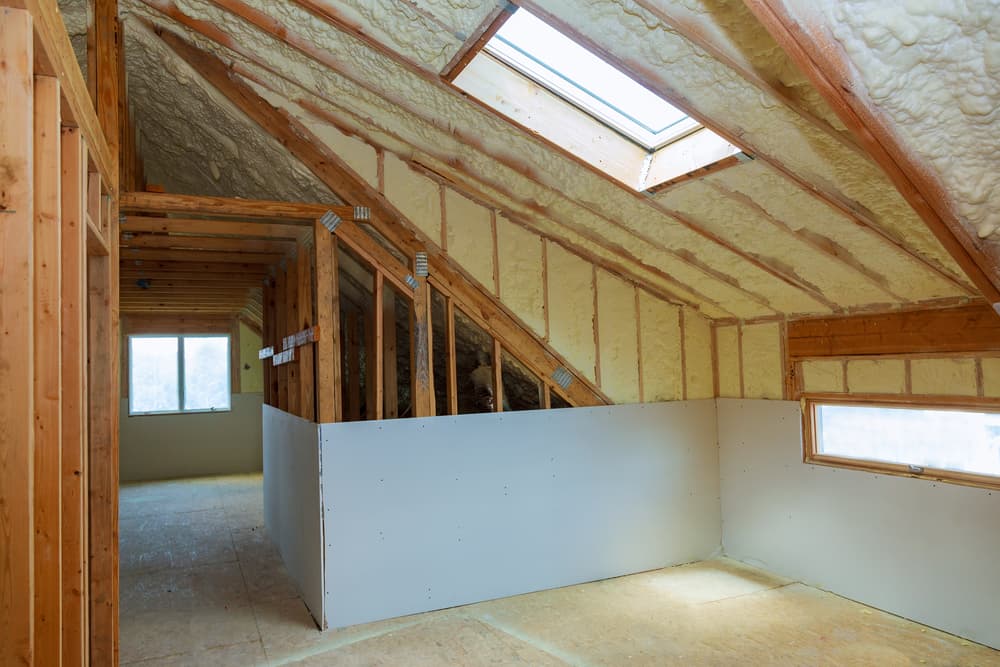
If your attic insulation is below recommended levels or appears damaged, consider upgrading to a higher R-value material. Options include fiberglass batts, blown-in cellulose, or spray foam. Each type has its advantages, so choose based on your budget and climate needs.
- Fiberglass batts: Easy to install and widely available.
- Blown-in cellulose: Fills gaps and hard-to-reach areas.
- Spray foam: Offers the highest air sealing properties.
Address Moisture and Mold Issues
Moisture can quickly degrade insulation performance. Inspect for leaks in the roof, condensation on pipes, or signs of mold. Address any issues immediately to prevent further damage and maintain healthy indoor air quality.
Choosing the Right Insulation for Hot Weather
Not all insulation materials perform equally in summer conditions. For optimal results, select products with high thermal resistance and good moisture control. Reflective or radiant barrier insulation can be especially effective in hot climates, as it reflects radiant heat away from your living spaces.
Tips for Maximizing Energy Efficiency
- Install a radiant barrier under the roof decking to reflect heat.
- Ensure insulation is evenly distributed and not compressed by storage or foot traffic.
- Consider professional installation for spray foam or blown-in materials to guarantee full coverage.
- Pair insulation upgrades with energy-efficient roofing materials for best results. For more on this, check out the latest solar roofing market trends.
Common Mistakes to Avoid During Summer Attic Prep
While preparing your attic for the warmer months, avoid these frequent errors:
- Ignoring small air leaks, which can lead to significant energy loss.
- Overlooking attic ventilation, resulting in trapped heat and moisture.
- Adding new insulation over wet or moldy material, which can worsen air quality.
- Blocking soffit vents with insulation, which reduces airflow and can cause overheating.
Integrating Insulation Upgrades with Other Home Improvements
Summer is an ideal time to coordinate attic upgrades with other energy-saving projects. For example, if you’re considering solar panels, combining insulation improvements with a solar roofing site assessment can maximize your home’s overall efficiency and comfort.
Innovations in roofing materials, such as cool roofs and integrated solar systems, can further enhance the benefits of proper attic insulation. Staying informed about innovations in solar roofing ensures you make the most of your investment.
Frequently Asked Questions
How often should attic insulation be checked before summer?
It’s a good idea to inspect your attic insulation at least once a year, ideally in the spring before the hottest months. Look for signs of wear, moisture, or pest damage, and address any issues promptly to maintain peak performance.
What R-value is recommended for attic insulation in hot climates?
The recommended R-value varies by region, but for most hot climates, an R-value between R-30 and R-60 is ideal. Higher R-values provide better resistance to heat flow, keeping your home cooler and more energy efficient during summer.
Can I add new insulation over existing material?
Yes, you can add new insulation over old, provided the existing material is dry and free of mold. Avoid compressing the insulation, as this can reduce its effectiveness. If the old insulation is wet or damaged, remove and replace it before adding more.
Conclusion
Taking the time to prepare your attic insulation for the summer can lead to noticeable improvements in comfort, energy savings, and even the longevity of your roofing system. By sealing air leaks, upgrading insulation where needed, and staying informed about new roofing technologies, you can ensure your home remains cool and efficient all season long. For those considering further upgrades, exploring solar roofing future trends can offer additional ways to enhance your property’s performance in the years ahead.