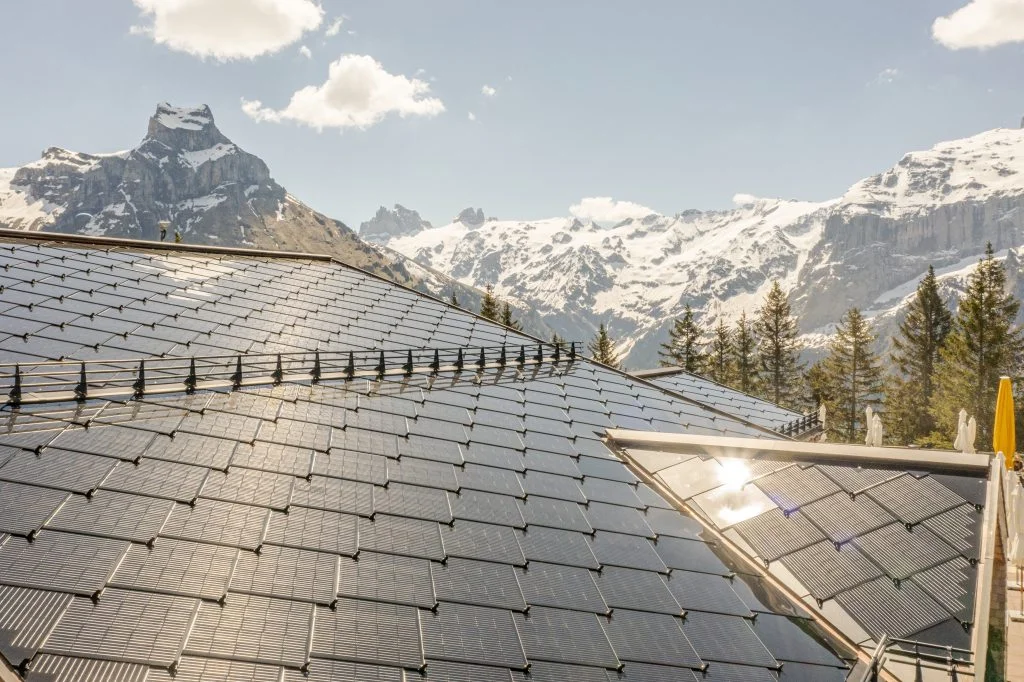
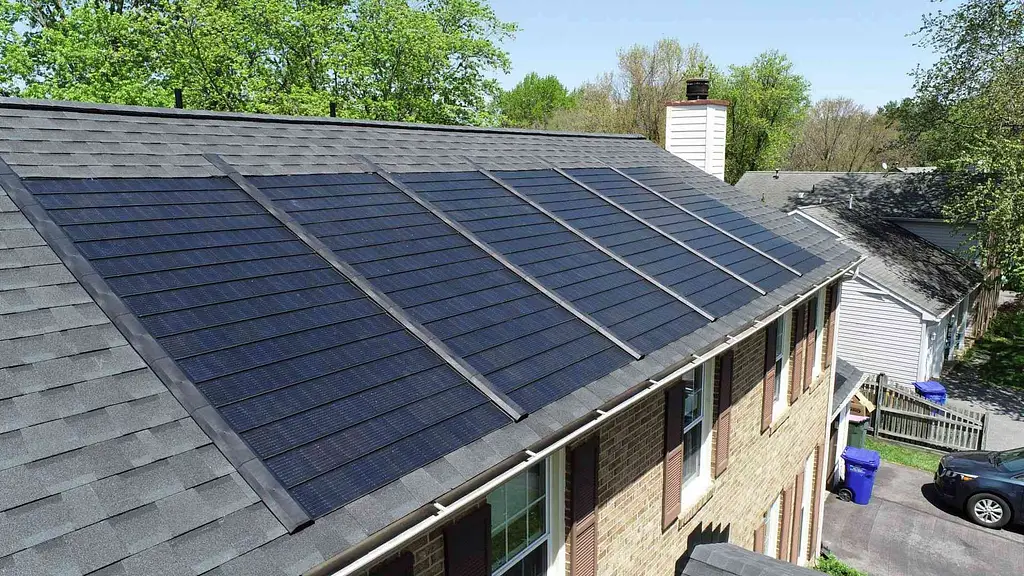
Understanding how much solar energy your roof can generate is essential for anyone considering a transition to renewable energy. Accurate solar roofing capacity calculation helps homeowners and building managers estimate the potential output, cost savings, and environmental benefits of installing solar panels or solar roof tiles. This guide breaks down the process, from assessing your roof’s characteristics to factoring in local climate and energy needs, so you can make informed decisions about your solar investment.
If you want a deeper dive into system sizing, the solar roofing system sizing guide provides additional context and practical examples for various roof types.
Key Factors in Solar Roof Output Estimation
Calculating how much energy your roof can generate involves more than just measuring available space. Several factors influence the final number, including:
- Roof size and usable area: Not all roof space is suitable for solar panels. Chimneys, vents, skylights, and shaded areas reduce the effective installation area.
- Orientation and tilt: South-facing roofs (in the Northern Hemisphere) with an optimal tilt angle receive the most sunlight.
- Local solar irradiance: The amount of sunlight your location receives throughout the year, measured in kWh/m²/day, directly impacts energy production.
- Panel efficiency: Higher-efficiency panels convert more sunlight into electricity, allowing you to generate more power from the same area.
- Shading and obstructions: Trees, neighboring buildings, or roof features can cast shadows, reducing output.
Step-by-Step Solar Roofing Capacity Calculation
To estimate your roof’s solar potential, follow these steps:
- Measure the usable roof area: Calculate the square footage available for panels, excluding shaded or obstructed sections.
- Determine panel layout: Decide how many panels can fit based on their dimensions and required spacing for maintenance.
- Multiply by panel wattage: Most residential panels range from 350 to 450 watts. Multiply the number of panels by the wattage to get the total system size in kilowatts (kW).
- Adjust for orientation and tilt: Use a correction factor based on your roof’s angle and direction. Online calculators or solar professionals can help with this adjustment.
- Factor in local solar irradiance: Multiply your system size by the average daily sunlight hours for your area to estimate daily or annual output.
- Account for system losses: Inverters, wiring, and other components typically reduce output by 10–20%. Apply a derate factor (e.g., 0.8–0.9) to your estimate.
Example: Calculating Solar Output for a Typical Roof
Let’s walk through a simplified example:
- Usable roof area: 400 sq. ft.
- Panel size: 18 sq. ft. per panel (approx. 6.5 ft x 3 ft)
- Number of panels: 400 / 18 ≈ 22 panels
- Panel wattage: 400W
- Total system size: 22 x 400W = 8,800W or 8.8 kW
- Average sunlight: 4.5 hours/day (local average)
- Estimated daily output: 8.8 kW x 4.5 hours = 39.6 kWh
- After system losses (15%): 39.6 kWh x 0.85 ≈ 33.7 kWh per day
This estimate gives you a baseline for how much electricity your solar roof could generate under typical conditions.
Tools and Resources for Accurate Estimates
Several online calculators and apps can help you with solar roofing capacity calculation. These tools often use satellite imagery and local weather data to provide quick estimates. For more precise results, consider consulting a professional installer who can perform an on-site assessment.
For those interested in the environmental and sustainability benefits of solar, the solar roofing sustainability benefits article explores the broader impact of adopting solar technology.
Common Mistakes to Avoid in Solar Capacity Planning
- Overlooking roof condition: Ensure your roof is in good shape before installation. Solar panels last 25+ years, so roof repairs should be addressed first.
- Ignoring shading patterns: Even partial shading can reduce output significantly. Use shade analysis tools or consult an expert.
- Underestimating future energy needs: If you plan to add electric vehicles or expand your home, consider sizing your system for future demand.
- Not considering local regulations: Some areas have restrictions or incentives that affect system size and placement.
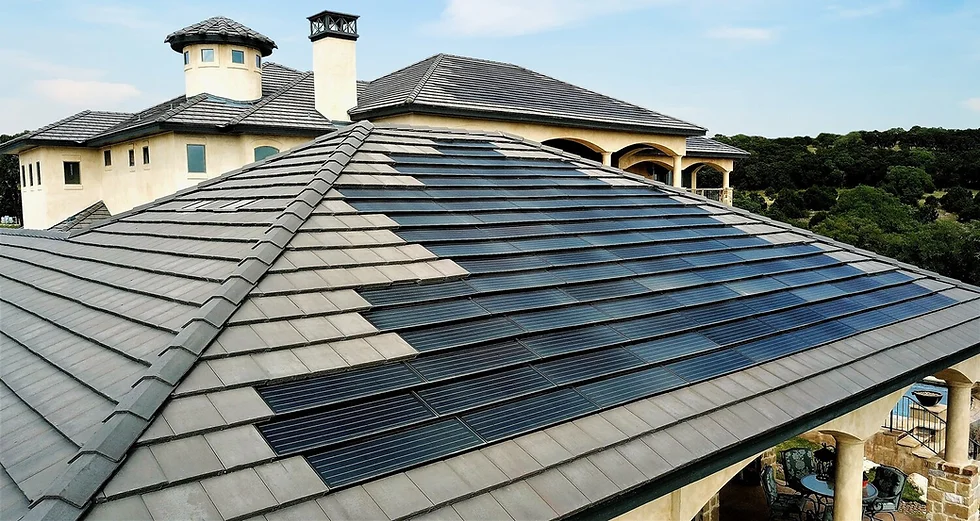
Comparing Solar Roof Tiles and Traditional Panels
When planning your solar installation, you might consider whether to use traditional panels or integrated solar roof tiles. Each option has its pros and cons in terms of efficiency, aesthetics, and installation complexity. For a detailed breakdown, see this analysis of the advantages and disadvantages of solar roof tiles.
If maximizing your home’s energy independence is a priority, the solar roofing energy independence resource provides strategies for optimizing your setup.
Maximizing the Value of Your Solar Roof
Once you’ve estimated your roof’s solar potential, consider ways to get the most from your investment:
- Keep panels clean and free of debris to maintain peak efficiency.
- Monitor system performance regularly to catch issues early.
- Explore net metering or battery storage to increase your energy savings and resilience.
- Review your utility bills and adjust usage patterns to maximize solar self-consumption.
For those interested in the financial side, the solar roofing payback period article explains how long it typically takes to recoup your investment.
FAQ
How do I know if my roof is suitable for solar panels?
Most roofs with good sun exposure and minimal shading can support solar panels. The ideal roof faces south (in the Northern Hemisphere) and has a tilt angle close to your latitude. However, east- and west-facing roofs can also be effective. It’s important to assess the roof’s structural integrity and check for obstructions like chimneys or vents.
What is the difference between system size (kW) and energy output (kWh)?
System size, measured in kilowatts (kW), refers to the maximum power your solar array can produce at a given moment. Energy output, measured in kilowatt-hours (kWh), is the total amount of electricity generated over a period of time (daily, monthly, or annually). Output depends on system size, sunlight hours, and efficiency.
Can I install enough solar to cover all my electricity needs?
In many cases, yes. With a well-designed system and adequate roof space, you can offset most or all of your household electricity use. Factors such as local climate, shading, and energy consumption patterns will affect how much of your needs can be met. Some homeowners also add battery storage to maximize self-sufficiency.
Are there environmental benefits to installing solar roofing?
Absolutely. Solar energy reduces reliance on fossil fuels, lowers greenhouse gas emissions, and can decrease your carbon footprint. For more details, see the solar roofing environmental benefits overview.