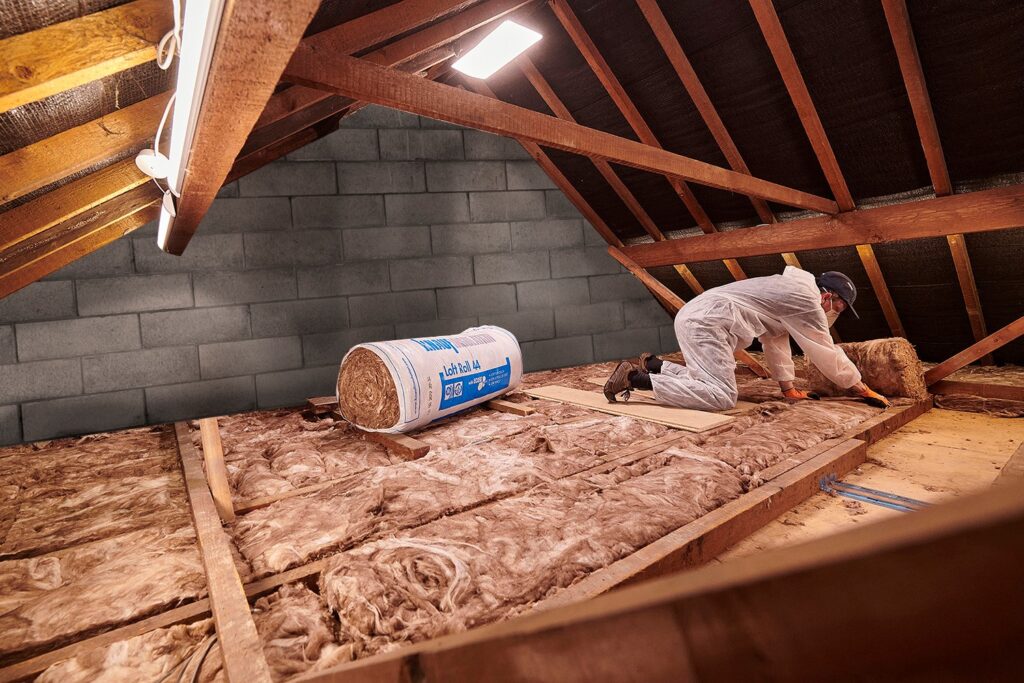
Managing heat transfer in buildings is essential for improving comfort and energy efficiency, especially in regions with hot climates. One solution that has gained attention is the use of radiant barriers. These materials are designed to reflect radiant heat, helping to keep indoor spaces cooler and reduce the load on air conditioning systems. Understanding how radiant barriers work can help homeowners and professionals make informed decisions about insulation and energy-saving strategies.
As the demand for advanced roofing and insulation technologies grows, it’s important to stay updated on related innovations. For those interested in the intersection of solar and roofing technology, exploring topics like latest solar roofing technology can provide valuable context for making energy-smart choices.
Understanding the Science Behind Radiant Barriers
To grasp the effectiveness of radiant barriers, it’s helpful to know the basics of heat transfer. Heat moves in three ways: conduction (through materials), convection (through air movement), and radiation (via electromagnetic waves). In attics and roofs, radiant heat from the sun is a major contributor to indoor temperature rise. Traditional insulation slows down conductive and convective heat, but it does little to stop radiant energy.
Radiant barriers are specifically engineered to address this gap. They are typically made from highly reflective materials, such as aluminum foil, which can reflect up to 97% of radiant heat. By installing these barriers in attics or under roofing, much of the sun’s energy is bounced back before it can be absorbed and transferred into the living space below.
How Radiant Barriers Reduce Heat Transfer
The core function of a radiant barrier is to minimize the amount of radiant heat that enters a building. Here’s how the process works:
- Reflection of Radiant Energy: The shiny surface of the barrier reflects infrared radiation, preventing it from passing through to the insulation or attic floor.
- Reduction of Heat Absorption: Because the material does not absorb much heat, it stays cooler than conventional roofing materials, which means less heat is available to be transferred inside.
- Improved Attic Performance: By keeping attic temperatures lower, radiant barriers help reduce the overall heat gain in the home, making cooling systems more effective and efficient.

Types of Radiant Barrier Installations
There are several ways to install radiant barriers, each suited to different building designs and climates. The most common methods include:
- Attic Floor Installation: The barrier is laid over existing insulation on the attic floor. This method is simple but can collect dust, which may reduce reflectivity over time.
- Rafter Installation: The barrier is stapled to the underside of roof rafters, creating a reflective surface that faces downward. This approach is effective for new construction or major renovations.
- Roof Deck Application: Some products are laminated to roof decking materials, providing integrated radiant protection during the building phase.
The choice of installation depends on factors like attic accessibility, climate, and whether the building is new or existing. In hot, sunny regions, rafter and roof deck applications are particularly effective at reducing summer heat gain.
Benefits of Using Radiant Barriers
Homeowners and building professionals choose radiant barriers for several reasons:
- Lower Cooling Costs: By reflecting radiant heat, these barriers help maintain cooler indoor temperatures, reducing the need for air conditioning.
- Improved Comfort: Rooms below attics with radiant barriers tend to stay more comfortable during peak heat hours.
- Enhanced HVAC Performance: Lower attic temperatures reduce the strain on cooling equipment, potentially extending its lifespan.
- Synergy with Other Technologies: Radiant barriers can complement other energy-saving solutions, such as solar roofing market trends and advanced insulation systems.

Limitations and Considerations for Radiant Barriers
While radiant barriers offer significant benefits, there are some important considerations to keep in mind:
- Climate Suitability: These barriers are most effective in hot, sunny climates where air conditioning is used frequently. In cooler regions, the impact may be minimal.
- Proper Installation: Gaps, dust accumulation, or improper placement can reduce the effectiveness of the reflective surface. Professional installation is recommended for best results.
- Compatibility: Radiant barriers should be used in conjunction with traditional insulation, not as a replacement. Each addresses different types of heat transfer.
- Moisture Management: In humid climates, it’s important to ensure that radiant barriers do not trap moisture, which can lead to mold or structural issues.
By weighing these factors, homeowners can determine whether a radiant barrier is a good fit for their property and climate.
Integrating Radiant Barriers with Modern Roofing Solutions
The construction industry is seeing rapid advancements in roofing and insulation. Radiant barriers are increasingly being combined with other technologies, such as solar panels and high-performance insulation, to create energy-efficient building envelopes. For those interested in the future of roofing, topics like innovations in solar roofing highlight how these solutions can work together for maximum benefit.
When considering upgrades, it’s wise to consult a professional who understands both traditional and modern approaches to heat management. This ensures that all components work together effectively, maximizing energy savings and comfort.
Frequently Asked Questions
What is the main function of a radiant barrier?
The primary purpose of a radiant barrier is to reflect radiant heat away from living spaces, especially in attics and under roofs. By doing so, it helps to keep indoor areas cooler and reduces the need for air conditioning.
Can radiant barriers replace traditional insulation?
No, radiant barriers are not a substitute for conventional insulation. They are designed to reflect radiant heat, while insulation slows down conductive and convective heat transfer. For optimal energy efficiency, both should be used together.
How much can I save on energy bills by installing a radiant barrier?
Savings depend on several factors, including climate, attic ventilation, and the efficiency of your HVAC system. In hot climates, homeowners may see a reduction in cooling costs of 5–10%, but actual results will vary.
Are radiant barriers effective in cold climates?
These barriers are less effective in cold regions because radiant heat gain is not a major concern during winter months. Their primary benefit is in hot, sunny environments where air conditioning is used extensively.
Conclusion
Radiant barriers offer a practical and cost-effective way to manage heat gain in homes and commercial buildings. By reflecting radiant energy, they help maintain comfortable indoor temperatures and support energy efficiency goals. When combined with other modern roofing and insulation technologies, they can play a key role in creating high-performance, sustainable buildings.
For those considering upgrades or new construction, staying informed about related advancements—such as solar roofing future trends—can help ensure that your investment delivers long-term value and comfort.