Proper attic insulation is one of the most effective ways to improve a home’s energy efficiency and comfort. Understanding attic insulation thickness recommendations is crucial for homeowners looking to reduce energy bills, maintain consistent indoor temperatures, and prevent issues like ice dams or moisture buildup. The right insulation depth depends on climate, insulation type, and building codes, making it important to stay informed about current standards and best practices.
Whether you are upgrading an older home or building new, knowing how much insulation your attic needs can have a significant impact on both comfort and long-term savings. This article explores the factors that influence optimal insulation levels, explains how to measure and compare different materials, and provides practical advice for making the best choice for your property.
For those interested in integrating energy-saving solutions with modern roofing, you may also want to explore solar roofing market trends to see how insulation and solar technologies can work together for maximum efficiency.
Why Attic Insulation Thickness Matters
The thickness of insulation in your attic directly affects your home’s ability to retain heat in winter and stay cool in summer. Insufficient insulation allows conditioned air to escape, forcing your heating and cooling systems to work harder. This not only increases utility costs but can also shorten the lifespan of HVAC equipment.
Modern attic insulation thickness recommendations are based on achieving a specific R-value, which measures thermal resistance. The higher the R-value, the better the insulation’s effectiveness. However, achieving the right R-value often means adding more material, especially in colder climates.
Understanding R-Value and Its Role in Insulation
R-value is a standard measure used to rate insulation materials. It indicates how well a material resists heat flow. The recommended R-value for attics varies by region, with colder areas requiring higher values to prevent heat loss.
- Zone 1–2 (Warm climates): R-30 to R-49
- Zone 3–4 (Mixed climates): R-38 to R-60
- Zone 5–7 (Cold climates): R-49 to R-60
These ranges are set by the U.S. Department of Energy and local building codes. Always check local requirements before starting an insulation project.
Factors That Influence Proper Insulation Depth
Several factors affect how much insulation you need in your attic. Understanding these can help you make informed decisions and avoid common mistakes.
- Climate Zone: The colder your region, the more insulation you need. Southern homes may require less, while northern homes benefit from thicker layers.
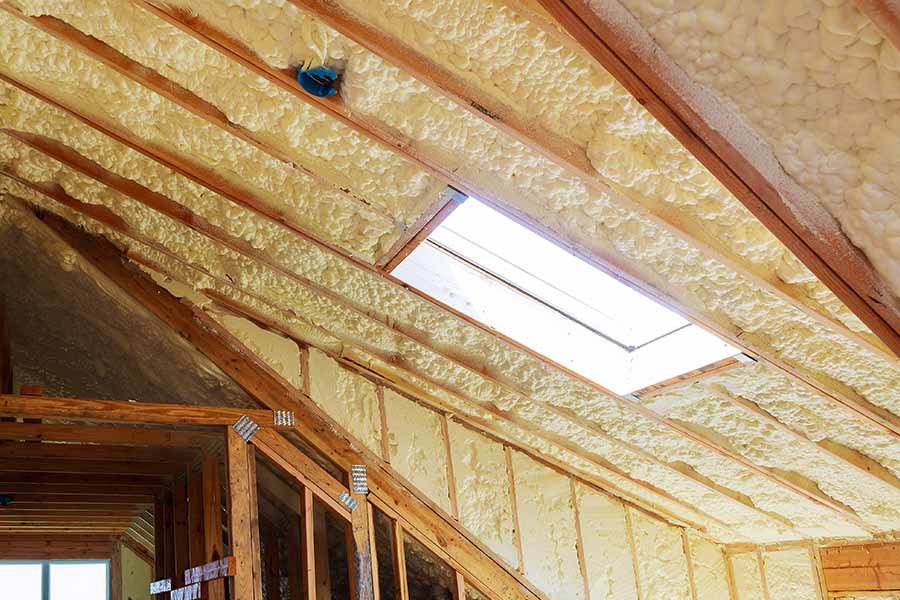
- Insulation Type: Materials like fiberglass batts, blown-in cellulose, and spray foam each have different R-values per inch. For example, fiberglass batts typically provide R-2.9 to R-3.8 per inch, while spray foam can reach R-6 or higher.
- Existing Insulation: If your attic already has some insulation, you may only need to add enough to reach the recommended R-value.
- Building Codes: Local regulations may specify minimum R-values or thicknesses for new construction and renovations.
How to Measure and Achieve the Right Insulation Thickness
To determine if your attic meets current attic insulation thickness recommendations, follow these steps:
- Inspect Existing Insulation: Use a ruler or tape measure to check the depth of insulation between joists. Compare this to the recommended thickness for your region and insulation type.
- Calculate R-Value: Multiply the depth (in inches) by the R-value per inch for your material. For example, 10 inches of fiberglass batt (R-3.2 per inch) provides about R-32.
- Add More If Needed: If your attic falls short of the recommended R-value, add more insulation on top of the existing layer. Avoid compressing the material, as this reduces effectiveness.
Comparing Common Attic Insulation Materials
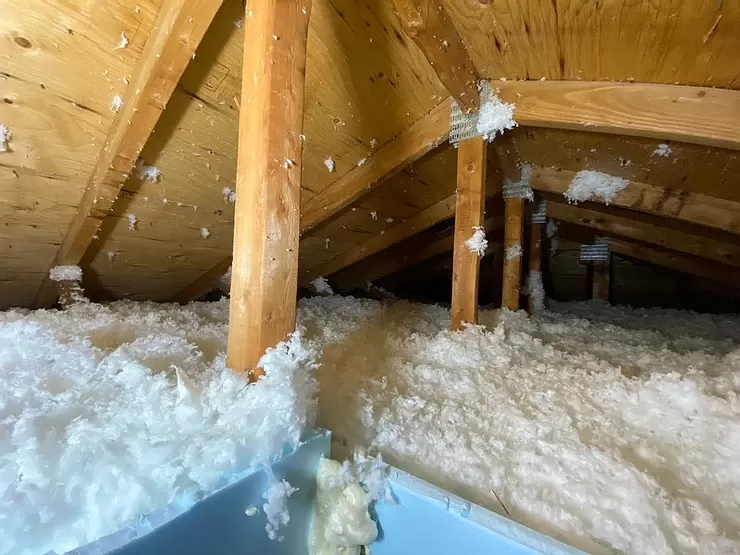
The most popular attic insulation options include fiberglass batts, blown-in cellulose, and spray foam. Each has unique properties that affect how much you need to achieve the desired R-value.
| Material | R-Value per Inch | Typical Thickness for R-38 |
|---|---|---|
| Fiberglass Batt | R-2.9 to R-3.8 | 10–14 inches |
| Blown-In Cellulose | R-3.2 to R-3.8 | 10–12 inches |
| Spray Foam (Closed Cell) | R-6 to R-7 | 6–7 inches |
Choosing the right material depends on your budget, attic configuration, and whether you are insulating a new or existing space.
Signs Your Attic Needs More Insulation
Even if your home feels comfortable, there are warning signs that your attic may not meet current attic insulation thickness recommendations:
- Uneven temperatures between rooms or floors
- High heating or cooling bills
- Ice dams forming on the roof in winter
- Drafts or cold spots near ceilings
- Visible joists above the insulation layer
Addressing these issues by adding insulation can improve comfort and reduce energy waste.
Best Practices for Upgrading Attic Insulation
When increasing insulation in your attic, follow these best practices to maximize performance and longevity:
- Seal Air Leaks: Before adding insulation, seal gaps around vents, pipes, and electrical fixtures to prevent air movement.
- Maintain Ventilation: Ensure soffit and ridge vents remain clear to prevent moisture buildup and maintain air flow.
- Use Proper Installation Techniques: Lay new insulation perpendicular to existing batts to avoid gaps and compressions.
- Check Local Codes: Always verify your project meets or exceeds local building requirements.
For those considering a broader approach to energy efficiency, reviewing latest solar roofing technology can provide additional ideas for integrating insulation with renewable energy solutions.
Frequently Asked Questions
How do I know if my attic insulation is thick enough?
Measure the depth of your existing insulation and compare it to the recommended thickness for your climate and material type. If you can see the attic floor joists or your calculated R-value is below local guidelines, you likely need more insulation.
Can I add new insulation over old insulation?
Yes, you can add new insulation on top of existing material as long as it is not wet or moldy. Avoid compressing the old insulation, and use unfaced batts or loose-fill to prevent moisture issues.
Is there such a thing as too much insulation in the attic?
While adding insulation improves energy efficiency, excessive thickness can block attic ventilation and cause moisture problems. Always follow local building codes and manufacturer recommendations for maximum R-value and thickness.
What is the most cost-effective way to increase attic insulation?
Blown-in cellulose or fiberglass is often the most affordable method for upgrading existing attics. These materials can be installed over current insulation and provide good coverage, especially in hard-to-reach areas.
Conclusion
Following up-to-date attic insulation thickness recommendations is essential for maintaining a comfortable, energy-efficient home. By understanding R-values, climate zones, and material options, homeowners can make informed decisions that pay off in lower energy bills and improved indoor comfort. For those interested in combining insulation upgrades with other energy-saving technologies, exploring innovations in solar roofing may offer additional benefits for your property.