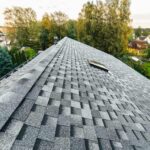
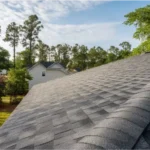
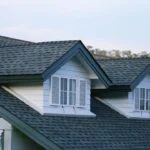
Dimensional shingles have become a popular choice for homeowners seeking both visual appeal and reliable protection for their roofs. Unlike traditional three-tab options, these roofing materials offer a layered look that mimics the appearance of natural wood or slate, giving your home a distinctive and attractive finish. Their unique construction not only enhances curb appeal but also delivers improved durability and weather resistance.
Choosing the right roofing material is a significant investment. Understanding the features, benefits, and considerations of dimensional shingles can help you make an informed decision. For those interested in identifying when it might be time for a replacement, learning about roof aging signs can be a valuable first step.

What Sets Dimensional Shingles Apart?
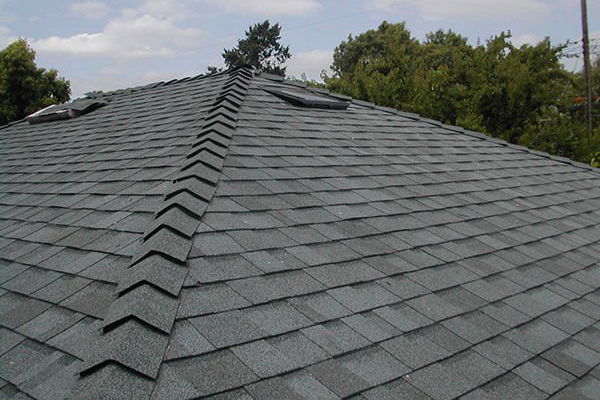
Often called architectural or laminated shingles, these roofing products are manufactured with multiple layers of asphalt fused together. This construction results in a thicker, more robust shingle that stands out from standard three-tab varieties. The added layers create a multidimensional effect, providing depth and shadow lines that enhance the roof’s appearance.
Key features of dimensional shingles include:
- Enhanced durability due to their layered design
- Variety of colors and textures to suit different architectural styles
- Improved wind and weather resistance
- Longer warranties compared to basic shingles
These advantages make them a preferred option for homeowners looking to balance aesthetics with long-term performance.
Benefits of Choosing Dimensional Roofing Materials
There are several reasons why many property owners opt for these advanced shingles:
- Visual Appeal: The layered construction provides a rich, textured look that can boost your home’s value and curb appeal.
- Longevity: With proper installation and maintenance, dimensional shingles often last 25–30 years or more, outlasting many traditional options.
- Weather Resistance: Their thickness and design help them withstand high winds, heavy rain, and hail better than standard shingles.
- Noise Reduction: The extra layers can dampen sound, making your home quieter during storms.
- Fire Resistance: Many products are rated for fire safety, adding an extra layer of protection.
Comparing Dimensional and Three-Tab Shingles
While both types are made from asphalt, there are notable differences between dimensional and three-tab shingles. Three-tab varieties are flat, lightweight, and have a uniform appearance. They are typically less expensive but offer fewer design options and a shorter lifespan.
| Feature | Dimensional Shingles | Three-Tab Shingles |
|---|---|---|
| Appearance | Textured, layered, dimensional | Flat, uniform |
| Durability | High (25–30+ years) | Moderate (15–20 years) |
| Cost | Moderate to high | Lower |
| Wind Resistance | Up to 130 mph | Up to 60 mph |
| Design Variety | Wide range of colors/textures | Limited |
For homeowners who want a roof that stands out and lasts longer, the investment in dimensional products often pays off in both appearance and performance.
Materials and Construction: What’s Inside?
The core of these shingles typically consists of a fiberglass mat coated with asphalt and mineral granules. The manufacturing process involves layering and laminating, which gives the shingles their signature thickness and shadow lines. This design not only improves aesthetics but also enhances resistance to wind uplift and impact damage.
If you’re curious about the specifics of what goes into asphalt-based roofing, this detailed guide on asphalt shingle composition provides helpful insights into the materials and why they matter for your roof’s longevity.
Installation Tips and Maintenance
Proper installation is crucial for maximizing the lifespan and performance of dimensional shingles. Here are some practical tips:
- Hire a qualified roofing contractor with experience in architectural shingle installation.
- Ensure proper attic ventilation to prevent heat buildup and moisture issues.
- Use compatible underlayment and flashing materials for added protection.
- Regularly inspect your roof for damage, especially after severe weather.
Routine maintenance can help you prevent shingle damage and extend the life of your investment. Simple actions like clearing debris, checking for loose shingles, and addressing minor repairs promptly can make a significant difference.
Cost Considerations and Value
While the upfront cost of dimensional shingles is higher than that of basic three-tab products, the long-term value is often greater. Their extended lifespan, enhanced protection, and increased home value can offset the initial investment. Homeowners should consider not just the material cost but also installation, warranty, and potential energy savings.
For those looking to maximize their roof’s lifespan, adopting simple habits for a longer roof life can further enhance the value of your new roofing system.
When to Replace or Repair Your Roof
Even the most durable shingles will eventually show signs of wear. Watch for issues such as curling, cracking, or missing granules. Addressing problems early can prevent leaks and structural damage. If you notice water stains or suspect a leak, consider reading about asphalt roof leak repair for practical solutions.
Timely repairs and proactive maintenance are essential for protecting your investment and ensuring your home remains safe and comfortable.
Frequently Asked Questions
How long do dimensional shingles typically last?
With proper installation and maintenance, these roofing materials generally last between 25 and 30 years. Some premium products may offer even longer lifespans, especially when installed in mild climates and maintained regularly.
Are dimensional shingles more expensive than other types?
Yes, they tend to cost more upfront compared to three-tab varieties. However, their enhanced durability, longer warranties, and improved appearance often provide better value over time.
Can I install dimensional shingles over an existing roof?
In some cases, it is possible to install new shingles over a single layer of existing roofing, but this depends on local building codes and the condition of the current roof. It’s best to consult a roofing professional to determine the safest and most effective approach.
Do these shingles require special maintenance?
Maintenance is similar to other asphalt roofing products. Regular inspections, prompt repairs, and keeping the roof clear of debris will help maximize their lifespan and performance.