As more homeowners and businesses look for sustainable energy solutions, solar roofing has become an increasingly popular option. One of the most common questions for those considering this investment is: how long does solar roofing last? Understanding the expected lifespan, what affects durability, and how to maximize the value of your solar roof is essential for making an informed decision.
In this article, we’ll break down the typical longevity of solar roofs, compare them to traditional roofing materials, and provide practical tips for extending their service life. If you’re interested in broader industry shifts, you might also want to explore solar roofing market trends for insights into adoption and innovation.
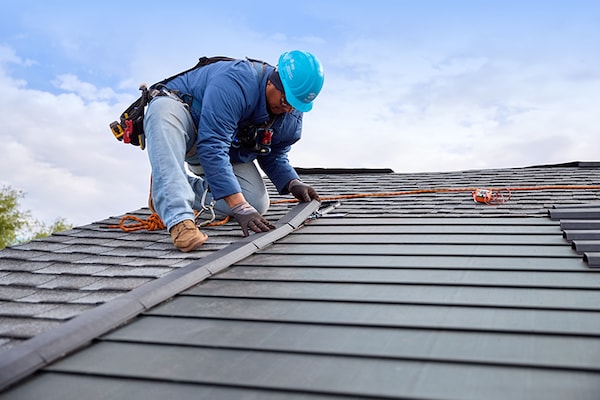
Understanding the Lifespan of Solar Roofs
The average service life of a solar roof depends on several factors, including the type of technology used, installation quality, climate, and ongoing maintenance. Most modern solar roofing systems are designed to last between 25 and 40 years. This range is comparable to or even exceeds the lifespan of many traditional roofing materials.
Manufacturers typically offer warranties of 20 to 30 years for the photovoltaic (PV) components, which cover power output and sometimes product defects. However, the underlying roofing materials—such as shingles or tiles—may have their own separate warranties and durability profiles.
Key Factors That Affect Solar Roofing Durability
Several variables influence how long your solar roof will remain effective and efficient:
- Material Quality: High-grade PV cells and robust roofing substrates contribute to a longer-lasting system.
- Installation Expertise: Proper installation by certified professionals ensures weatherproofing and electrical safety, reducing the risk of premature failure.
- Climate and Weather: Exposure to extreme temperatures, hail, snow, or heavy winds can impact both the roof and the solar modules.
- Maintenance: Regular cleaning and inspections help prevent debris buildup and identify issues early.
- Technological Advances: Newer products, such as those discussed in latest solar roofing technology, often offer improved durability and efficiency.
Comparing Solar Roof Longevity to Traditional Roofing
When evaluating how long solar roofing lasts compared to conventional options, it’s helpful to look at typical lifespans:
| Roof Type | Average Lifespan (Years) |
|---|---|
| Solar Shingles / Tiles | 25–40 |
| Asphalt Shingles | 15–30 |
| Metal Roofing | 30–50 |
| Clay/Concrete Tiles | 40–50 |
| Wood Shakes | 20–40 |
As the table shows, the expected lifespan of solar roofs is competitive with or superior to many other roofing solutions. The key advantage is that solar roofs generate electricity while protecting your home, offering dual value over time.
How to Maximize the Life of Your Solar Roof
To get the most out of your investment, consider these practical steps:
- Schedule Regular Inspections: Have a professional check your roof and solar components annually to catch minor issues before they become major problems.
- Keep Panels Clean: Dust, leaves, and bird droppings can reduce efficiency. Use a gentle roof cleaning brush or hire a service to maintain optimal performance.
- Monitor System Performance: Many solar systems include monitoring tools to track energy output. Sudden drops may indicate a problem that needs attention.
- Address Roof Repairs Promptly: If you notice leaks or damage, arrange for repairs right away to prevent water intrusion or electrical hazards.
- Choose Quality Products: Opt for reputable brands and installers with strong warranties and proven track records.

Performance Degradation: What to Expect Over Time
All solar technologies experience some degree of performance loss as they age, known as degradation. Most modern PV products lose about 0.3% to 0.8% of their efficiency per year. After 25 years, a typical system may still operate at 80–90% of its original capacity.
This gradual decline is factored into most manufacturers’ warranties. It’s important to note that even after the warranty period, solar roofs can continue to generate usable electricity, albeit at a slightly reduced rate.
Environmental and Energy Efficiency Considerations
The longevity of solar roofs also depends on how well they manage heat and weather exposure. Some products are designed with reflective coatings or advanced materials that help keep buildings cooler, reducing wear and improving energy efficiency. For more on this, see the U.S. Department of Energy’s guide to cool roofs.
Innovations in the field, such as those highlighted in innovations in solar roofing, are continually improving both the durability and performance of integrated solar systems.
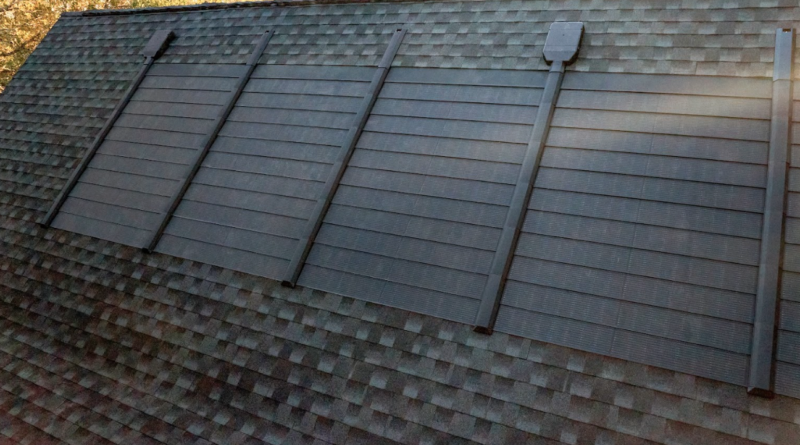
Signs Your Solar Roof Needs Attention
While solar roofs are built for longevity, certain warning signs may indicate the need for maintenance or repair:
- Noticeable drop in energy production without a clear cause
- Visible cracks, chips, or discoloration on shingles or tiles
- Water leaks or moisture in the attic or ceiling
- Loose or missing roofing elements
- Unusual noises or electrical issues from the inverter or wiring
Addressing these issues promptly can help extend the functional life of your solar roof and protect your investment.
Planning for Replacement or Upgrades
Even with proper care, every roof will eventually reach the end of its useful life. Planning ahead for replacement or upgrades is wise. As technology evolves, newer products may offer better efficiency, improved aesthetics, or more advanced features. For a look at what’s on the horizon, check out solar roofing future trends.
Frequently Asked Questions
Can solar roofs outlast traditional roofing materials?
In many cases, yes. Quality solar roofing systems are engineered to last 25–40 years, rivaling or exceeding the lifespan of asphalt shingles and matching some premium materials like metal or tile.
What happens when the solar modules reach the end of their lifespan?
When solar modules degrade to the point where their output is no longer sufficient, they can be replaced individually or as a system. The underlying roof structure may still be intact, allowing for a straightforward upgrade.
Does regular cleaning really make a difference?
Yes, keeping your solar roof clean helps maintain peak efficiency and can prevent long-term damage. Debris and dirt can block sunlight and trap moisture, so periodic cleaning is recommended.
Are there government incentives for upgrading or replacing solar roofs?
Incentives and rebates vary by region and program. Many areas offer tax credits or financial support for solar installations and upgrades, so it’s worth researching local options before making a decision.
Conclusion
Solar roofing offers a compelling blend of durability, energy savings, and environmental benefits. With lifespans typically ranging from 25 to 40 years, these systems are a long-term investment that can outperform many conventional roofs. By choosing quality materials, ensuring professional installation, and following a regular maintenance routine, you can maximize the value and longevity of your solar roof for decades to come.