Choosing the best roof types for solar roofing is a critical step for homeowners and property managers looking to maximize the efficiency and longevity of their solar investment. The compatibility between your roof and solar panels can affect installation costs, energy production, and long-term maintenance. Understanding which roofing materials and structures work best with solar technology helps ensure a smooth installation process and optimal results.
As solar adoption grows, so does the variety of roofing options available. From traditional asphalt shingles to modern metal and tile roofs, each material offers unique benefits and challenges for solar integration. This article explores the most suitable roof types for solar panel systems, their advantages, and what to consider before making your decision.
For a deeper look at how the industry is evolving, see solar roofing market trends for the latest insights and data.
Key Factors When Selecting Roofs for Solar Panel Systems
Before diving into specific materials, it’s important to understand the essential factors that make a roof ideal for solar installations:
- Structural Integrity: The roof must be strong enough to support the additional weight of solar panels and mounting hardware.
- Roof Age and Condition: Newer roofs or those in good condition are preferable, as installing panels on aging roofs may require costly repairs or replacements sooner than expected.
- Orientation and Slope: South-facing roofs with a pitch between 15 and 40 degrees typically yield the best solar exposure in North America.
- Surface Area: Sufficient unobstructed space is necessary for optimal panel placement and energy production.
- Material Compatibility: Some roofing materials are easier and more cost-effective for solar mounting than others.
Top Roofing Materials for Solar Panel Installation
Let’s examine which roof types are most compatible with solar technology, focusing on their unique features and installation considerations.
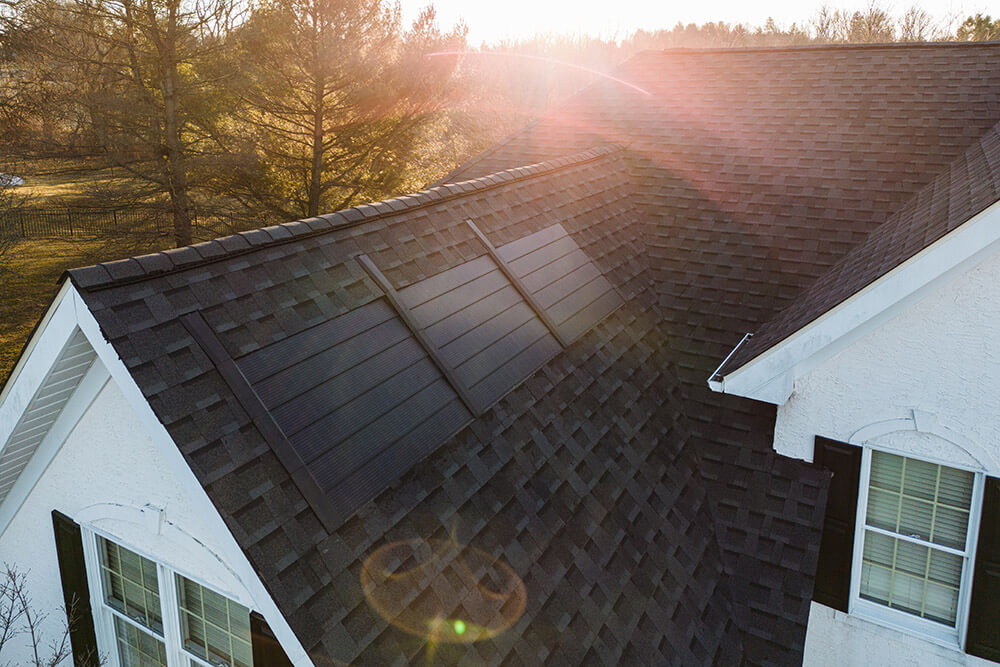
Asphalt Shingles: The Most Common Choice
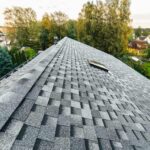
Asphalt shingle roofs are the most widespread in residential construction, making them a frequent candidate for solar panel projects. Their popularity stems from:
- Ease of Installation: Standard mounting hardware is readily available, and most installers are familiar with this material.
- Affordability: Asphalt shingles are cost-effective, both for roofing and for solar panel mounting.
- Repairability: Individual shingles can be replaced if damaged during or after installation.
However, asphalt shingles typically have a lifespan of 15–30 years. If your roof is nearing the end of its service life, consider replacing it before adding solar panels to avoid extra labor costs in the future.
Metal Roofs: Durable and Solar-Friendly
Standing seam metal roofs are increasingly popular for solar panel integration. Their advantages include:
- Longevity: Metal roofs can last 40–70 years, often outliving the solar panels themselves.
- Easy Mounting: Panels can be attached using clamps, minimizing roof penetrations and reducing the risk of leaks.
- Reflectivity: Metal surfaces can help keep buildings cooler, improving overall energy efficiency.
While the upfront cost of metal roofing is higher than asphalt, the long-term durability and low maintenance make it a smart investment for solar projects.
Tile Roofs: Aesthetic Appeal with Some Challenges
Clay, concrete, and slate tile roofs are known for their visual appeal and durability. However, installing solar panels on tile requires specialized expertise:
- Fragility: Tiles can crack during installation, so extra care and sometimes replacement tiles are needed.
- Mounting Complexity: Installers may need to remove and replace tiles or use custom mounting brackets.
- Longevity: Tile roofs often last 50 years or more, making them a good match for solar investments if installation is handled correctly.
Homeowners should work with experienced professionals to ensure a secure and leak-free installation on tile surfaces.

Flat Roofs: Commercial and Modern Residential Options
Flat roofs, common in commercial buildings and some modern homes, offer flexibility for solar panel placement. Key considerations include:
- Ballasted Mounting: Panels are often secured with weighted racks, reducing the need for roof penetrations.
- Optimal Tilt: Installers can adjust the angle of panels for maximum sun exposure, regardless of the roof’s orientation.
- Drainage: Proper water runoff must be maintained to prevent pooling and roof damage.
Flat roofs can be ideal for large-scale solar arrays, but require careful planning to ensure structural support and waterproofing.
Emerging Materials and Technologies for Solar Integration
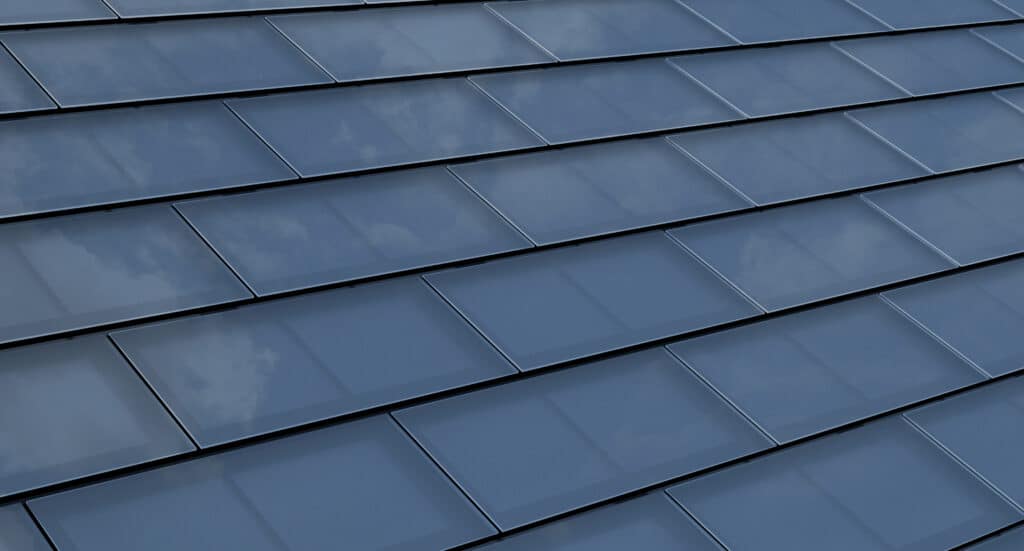
Innovations in solar roofing continue to expand the range of suitable materials. For example, solar shingles and integrated photovoltaic tiles are being developed to blend seamlessly with traditional roofing while generating electricity. To learn more about these advancements, visit latest solar roofing technology and innovations in solar roofing for detailed explanations and product updates.
What to Consider Before Installing Solar Panels
Beyond choosing the right roof material, several other factors influence the success of a solar installation:
- Local Climate: Weather patterns, snow load, and wind exposure can affect both the roof and solar panels.
- Building Codes and Permits: Check local regulations and HOA guidelines before starting any project.
- Shade and Obstructions: Trees, chimneys, and neighboring buildings can reduce solar output.
- Professional Assessment: A site evaluation by a qualified installer ensures your roof is suitable and identifies any necessary upgrades.
For a step-by-step overview of what to expect, see the solar roofing site assessment guide.
Maintenance and Longevity of Solar-Ready Roofs
Proper maintenance extends the life of both your roof and solar panels. Here are some best practices:
- Schedule regular inspections to check for leaks, loose panels, or debris buildup.
- Clean panels periodically to maintain optimal energy production.
- Address minor repairs promptly to prevent larger issues.
Choosing a durable roof material and working with experienced installers reduces the likelihood of complications and ensures your solar investment pays off for decades.
Research and Resources on Solar Roofing Materials
Recent studies, such as those published in peer-reviewed journals on environmental impacts of solar roofing, highlight the importance of selecting compatible materials for both energy efficiency and sustainability. Staying informed about new products and installation techniques can help you make the best decision for your property.
Frequently Asked Questions
Which roof material is easiest for solar panel installation?
Asphalt shingles and standing seam metal roofs are generally the easiest and most cost-effective for solar panel mounting. Their structure allows for straightforward attachment with minimal risk of damage or leaks.
Can solar panels be installed on older roofs?
It’s possible, but not recommended. Installing solar panels on an aging roof may lead to higher costs if the roof needs replacement soon after. It’s best to install panels on roofs with at least 15–20 years of life remaining.
Are flat roofs suitable for solar panels?
Yes, flat roofs can be excellent for solar arrays, especially in commercial settings. Panels can be angled for optimal sunlight, but it’s important to ensure proper drainage and structural support.