Many homeowners want to improve their home’s energy efficiency, but widespread misconceptions about attic insulation can lead to costly mistakes or missed opportunities for savings. Misinformation about materials, installation, and performance often creates confusion, making it difficult to separate fact from fiction. This article addresses attic insulation common myths and provides clear, practical information to help you make informed decisions about your home’s comfort and energy use.
Understanding the truth behind these misunderstandings not only helps you avoid unnecessary expenses, but also ensures your attic insulation works as intended. For those interested in related advancements, you may also want to explore solar roofing market trends for a broader perspective on home energy improvements.
Misconceptions About Attic Insulation Materials
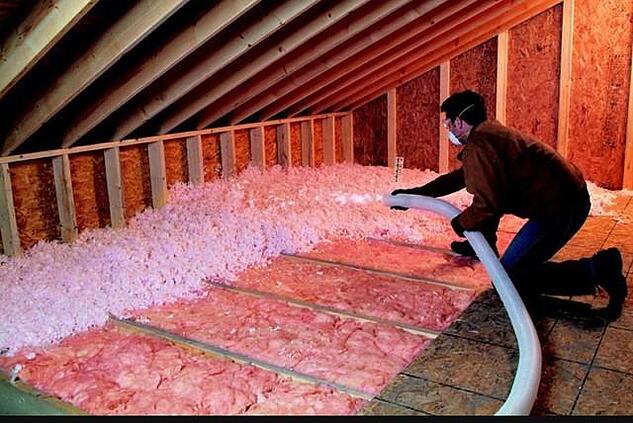
One of the most persistent attic insulation common myths is that all insulation materials perform the same. In reality, the type of insulation you choose—whether fiberglass, cellulose, spray foam, or another material—can significantly impact your home’s energy efficiency and comfort. Each material has its own R-value (a measure of thermal resistance), installation requirements, and suitability for different climates.
For example, some believe that fiberglass batts are always the best choice because they’re widely available and affordable. However, in humid climates, cellulose or spray foam may offer better moisture resistance and air sealing. It’s important to consider your region’s weather, your attic’s structure, and your budget when selecting insulation.
Myth: More Insulation Is Always Better
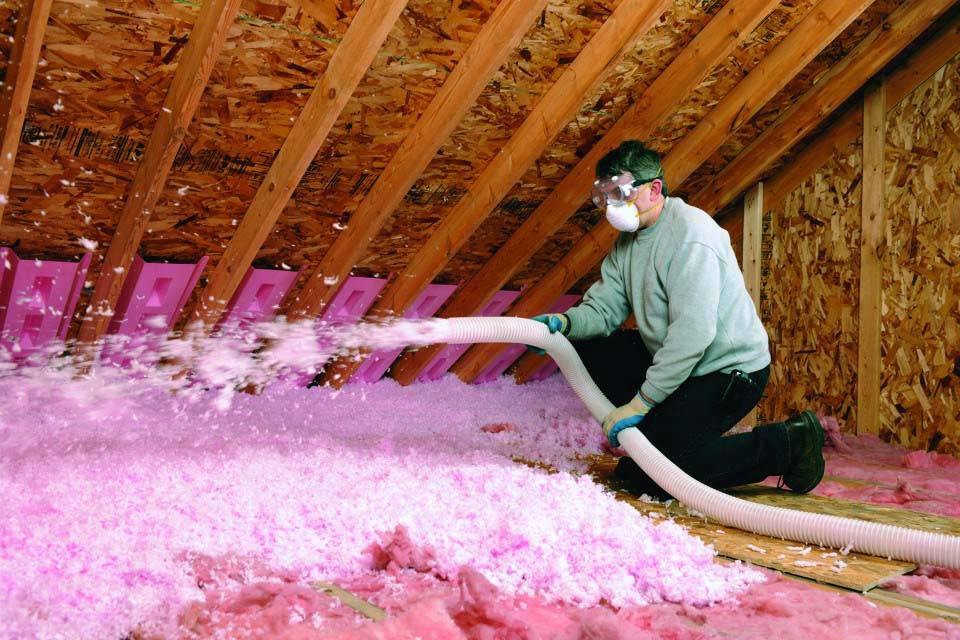
It’s a common belief that adding extra layers of insulation will automatically result in greater energy savings. While adequate insulation is crucial, there is a point of diminishing returns. Once your attic reaches the recommended R-value for your area, adding more insulation may not provide significant additional benefits and could even cause issues like reduced ventilation or moisture buildup.
Over-insulating can trap heat and moisture, potentially leading to mold growth or damage to your roof structure. The key is to follow local building codes and energy guidelines, ensuring your attic is insulated to the proper level without going overboard.
Attic Ventilation and Insulation: Clearing Up Confusion
Another widespread misunderstanding is that insulation eliminates the need for attic ventilation. In fact, proper ventilation and insulation work together to maintain a healthy and energy-efficient home. Ventilation allows moisture and heat to escape, preventing condensation and helping your insulation perform as intended.
Blocking soffit vents or covering them with insulation can disrupt airflow, leading to higher attic temperatures in summer and potential ice damming in winter. Make sure your attic has adequate intake and exhaust vents, and that insulation is installed without obstructing these critical pathways.

Myth: Insulation Only Matters in Cold Climates
Many people assume that attic insulation is only important for keeping homes warm in winter. However, insulation is just as valuable in hot climates, where it helps keep cool air inside and blocks heat from entering through the roof. Proper insulation reduces the load on your air conditioning system, leading to lower energy bills and more consistent indoor comfort year-round.
No matter where you live, insulating your attic can help regulate indoor temperatures, reduce noise, and improve your home’s overall energy efficiency.
Understanding the Role of Air Leaks and Sealing
A frequent oversight is believing that insulation alone will stop drafts and air leaks. While insulation slows the transfer of heat, it does not block air movement unless specifically designed to do so (as with spray foam). Gaps around pipes, wiring, and attic hatches can allow conditioned air to escape, undermining the effectiveness of even the best insulation.
Before installing or upgrading insulation, it’s essential to seal air leaks with caulk, foam, or weatherstripping. This step ensures your insulation can do its job and maximizes your home’s energy savings.
Myth: DIY Installation Is Always Sufficient
While some homeowners can successfully install attic insulation themselves, it’s not always the best approach. Improper installation can leave gaps, compress insulation, or block ventilation, reducing its effectiveness. Professional installers have the expertise to evaluate your attic, recommend the right materials, and ensure proper coverage and air sealing.
Investing in professional installation may cost more upfront, but it can prevent costly mistakes and deliver better long-term results.
Attic Insulation and Solar Roofing: A Modern Perspective
As interest in energy-efficient homes grows, many homeowners are considering upgrades that go beyond traditional insulation. Combining attic insulation with modern solutions like solar roofing can further reduce energy costs and improve sustainability. If you’re curious about how these technologies intersect, check out resources on latest solar roofing technology and innovations in solar roofing for more insights.
Frequently Asked Questions
How do I know if my attic insulation is sufficient?
The best way to determine if your attic is properly insulated is to check the thickness and type of material against your region’s recommended R-value. If you notice uneven temperatures, high energy bills, or visible gaps, it may be time to upgrade or add insulation. A professional energy audit can provide a thorough assessment.
Can I add new insulation over old insulation?
In most cases, adding new insulation over existing material is acceptable as long as the old insulation is dry, free of mold, and not compressed. Avoid covering insulation that is wet or damaged, as this can trap moisture and lead to further problems.
Will attic insulation help with noise reduction?
Yes, insulation in the attic can help dampen sound from outside, such as rain, wind, or traffic. While its primary purpose is thermal resistance, insulation also provides some acoustic benefits, making your home quieter and more comfortable.