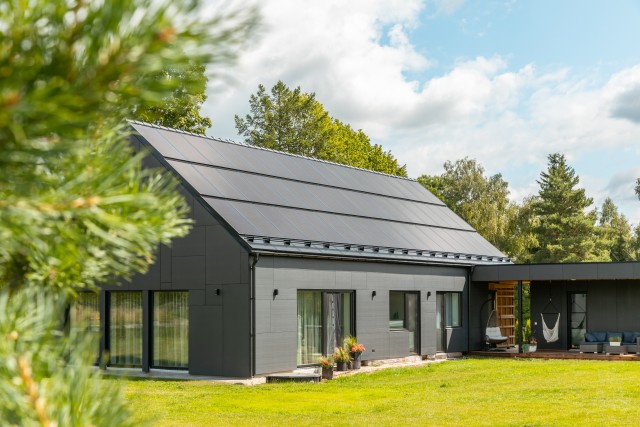
As more homeowners and businesses look for sustainable energy solutions, solar roofing on metal roofs has become an increasingly popular option. Combining the durability of metal with the energy-generating capability of solar panels or solar shingles offers a compelling mix of longevity and efficiency. However, before making the investment, it’s important to understand the compatibility, installation process, benefits, and potential challenges of integrating solar with metal roofing.
This article provides a comprehensive overview of how solar technology works with metal roofs, what to consider before installation, and how to maximize both energy output and roof lifespan. For those interested in broader industry shifts, you can explore solar roofing market trends to see how adoption is evolving.
Why Metal Roofs Are Ideal for Solar Installations
Metal roofing is known for its strength, weather resistance, and long lifespan—often lasting 40 years or more. These characteristics make it an excellent base for solar panel systems. Unlike asphalt shingles, which may need replacement before the solar array reaches its end of life, metal roofs typically outlast the panels themselves. This synergy reduces the risk of having to remove and reinstall solar equipment for roof repairs.
Additionally, the smooth and uniform surface of metal panels allows for easier mounting of solar hardware. Many metal roofs, especially standing seam types, enable installers to attach solar panels without drilling holes, preserving the roof’s integrity and minimizing the risk of leaks.
Types of Solar Roofing Options for Metal Roofs
When considering solar roofing on metal roofs, there are two main approaches: traditional solar panels and building-integrated photovoltaics (BIPV), such as solar shingles or tiles.
- Traditional Solar Panels: These are mounted above the existing metal roof using specialized brackets or clamps. This method is common for both residential and commercial properties.
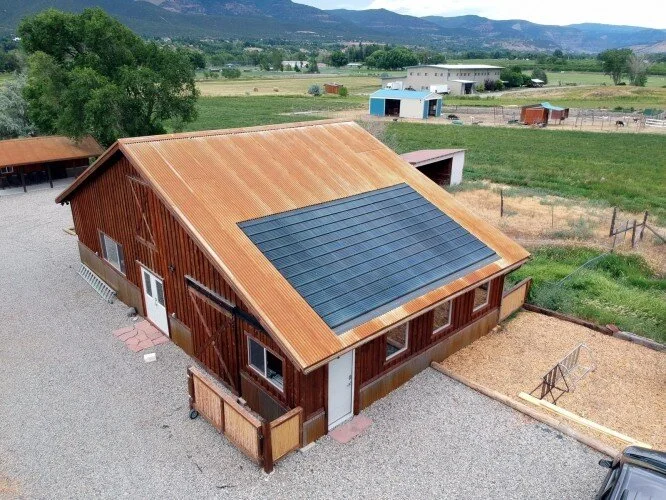
- Solar Shingles and BIPV: These products integrate directly with the roofing material, providing a streamlined appearance. Some BIPV products are specifically designed for use with metal roofs, offering both energy production and weather protection in a single layer.
Installation Considerations for Solar on Metal Roofs
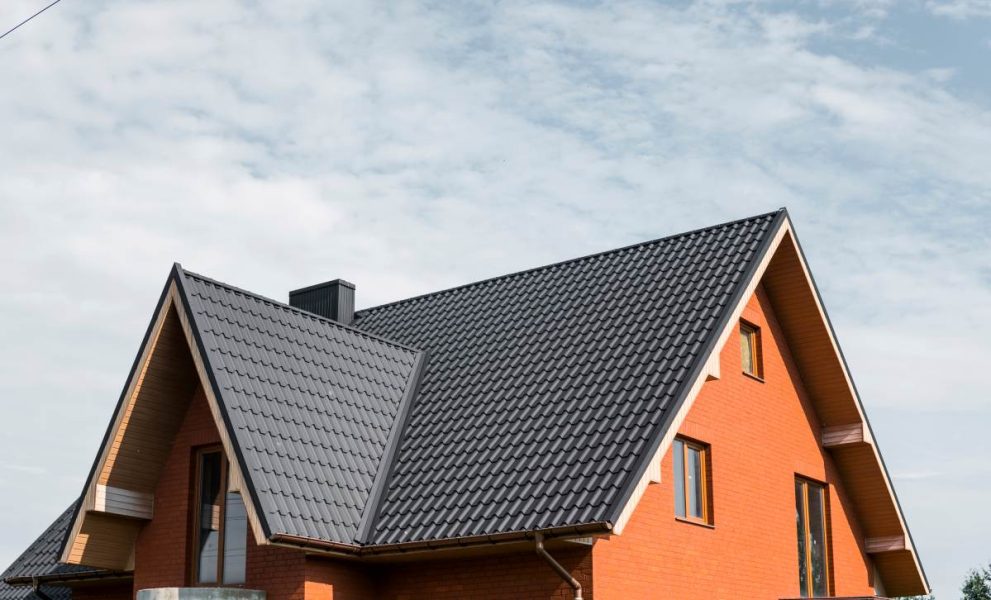
The installation process for solar on metal roofs varies depending on the roof type and the chosen solar technology. Standing seam metal roofs are particularly well-suited for solar because panels can be attached using clamps that grip the seams, eliminating the need for roof penetrations. Corrugated or ribbed metal roofs may require brackets that are fastened through the roof, but with proper sealing, these penetrations can be made watertight.
It’s essential to work with experienced installers who understand both metal roofing and solar systems. Proper planning ensures that the roof’s structural integrity is maintained and that the solar array is positioned for optimal sunlight exposure. For more on evaluating your property, see the solar roofing site assessment guide.
Benefits of Combining Solar and Metal Roofing
Choosing to install solar on a metal roof offers several unique advantages:
- Longevity: Both metal roofs and quality solar panels have long lifespans, reducing the likelihood of costly re-roofing during the solar system’s operational years.
- Energy Efficiency: Metal reflects sunlight, helping keep buildings cooler and improving overall energy efficiency. When paired with solar, this can further reduce energy costs.
- Low Maintenance: Both systems require minimal upkeep. Occasional cleaning of panels and roof surfaces is usually sufficient to maintain performance.
- Environmental Impact: Metal roofing is often made from recycled materials and is fully recyclable at the end of its life, complementing the eco-friendly benefits of solar power.
Potential Challenges and How to Address Them
While the combination of solar and metal roofing is generally advantageous, there are a few challenges to keep in mind:
- Roof Orientation and Shading: As with any solar installation, the roof must have adequate sun exposure. Trees, nearby buildings, or roof features that cast shade can reduce system output.
- Roof Age: If the metal roof is nearing the end of its lifespan, it’s wise to replace or repair it before adding solar. This avoids the need to remove panels for future roof work.
- Installation Expertise: Not all solar installers are familiar with metal roofing. Choose a contractor with proven experience in both areas to ensure a secure, leak-free installation.
For a deeper dive into the latest advancements, check out the latest solar roofing technology and how it’s shaping the future of building-integrated energy solutions.
Cost Factors and Return on Investment
The cost of installing solar on a metal roof depends on several variables, including roof size, type of solar technology, labor, and any required upgrades. While metal roofing may have a higher upfront cost than asphalt shingles, its durability and compatibility with solar can lead to long-term savings.
Solar incentives, tax credits, and net metering policies can further improve the return on investment. Over time, the combination of reduced energy bills and minimal maintenance can offset the initial expense.
For more insights into how these systems are evolving, explore innovations in solar roofing and discover what’s next in the industry.
Maintenance Tips for Solar and Metal Roof Systems
Keeping both your metal roof and solar array in good condition is straightforward. Here are some practical tips:
- Regular Cleaning: Dust, leaves, and debris can accumulate on panels and roof surfaces. Use a soft brush or a product like a roof cleaning brush to gently remove buildup.
- Annual Inspections: Have a professional check the mounting hardware, wiring, and roof condition at least once a year.
- Monitor Performance: Most modern solar systems offer monitoring apps or portals. Keep an eye on your system’s output to catch any issues early.
For more on maximizing system performance and planning for the future, see solar roofing future trends.
Comparing Solar Roofing Products for Metal Roofs
Not all solar products are created equal, especially when it comes to compatibility with metal roofing. Some panels and BIPV systems are specifically engineered for metal surfaces, offering easier installation and better weather resistance. When choosing a product, consider:
- Warranty: Look for products with robust warranties that cover both the solar equipment and the roof attachment method.
- Efficiency: Higher-efficiency panels may cost more upfront but can deliver greater energy savings over time.
- Visual Appeal: BIPV options like solar shingles blend seamlessly with metal roofing for a more integrated look.
For a detailed look at the advantages of integrated solar tiles, see this overview of solar roof tiles and their benefits.
Frequently Asked Questions
Can solar panels be installed on any type of metal roof?
Most metal roofs are compatible with solar, especially standing seam and corrugated types. The installation method may vary, but experienced installers can adapt mounting systems to suit different profiles.
Will installing solar panels damage my metal roof?
When installed correctly, solar panels should not damage a metal roof. Standing seam roofs allow for clamp-based mounting without roof penetrations, while other types require careful sealing of any fasteners.
How long do solar panels and metal roofs last together?
Both metal roofing and quality solar panels can last 25–40 years or more. This makes them an excellent pairing for long-term energy savings and minimal maintenance.