Understanding how attic insulation contributes to fire resistance is crucial for homeowners looking to enhance their property’s safety. Insulation materials vary in their ability to withstand fire, and choosing the right type can significantly impact your home’s protection against potential fire hazards. This guide delves into the different types of insulation and their fire-resistant properties, helping you make informed decisions for your attic.
In addition to improving fire safety, proper insulation can also enhance energy efficiency, reducing heating and cooling costs. For those interested in sustainable home improvements, exploring solar roofing market trends can complement your insulation efforts by integrating renewable energy solutions.
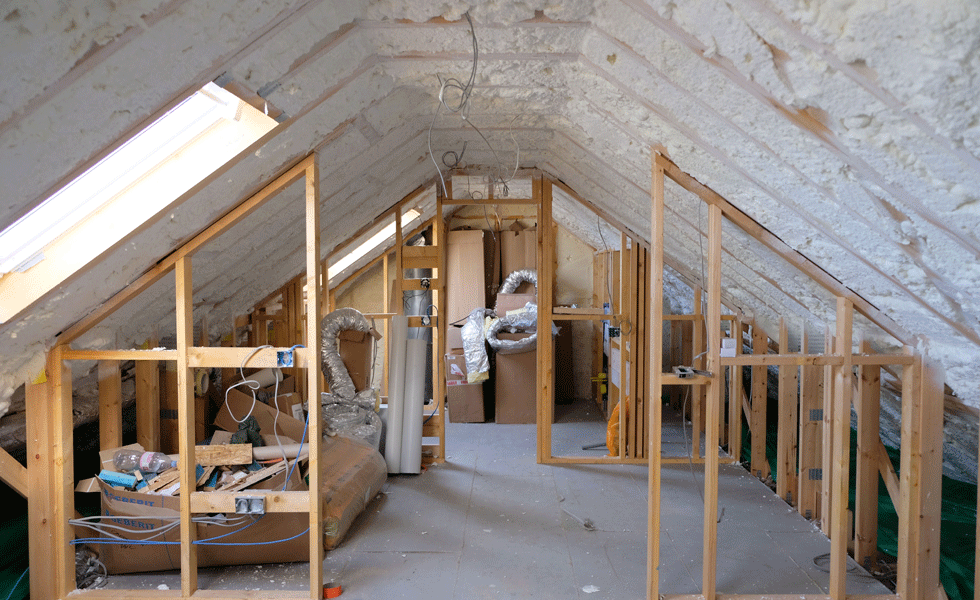
Types of Insulation and Their Fire Resistance
When selecting insulation for your attic, it’s important to consider the fire resistance of various materials. Here are some common types:
- Fiberglass Insulation: Made from glass fibers, this type is non-combustible and does not burn. It is often used in residential attics for its fire-resistant properties.
- Cellulose Insulation: Composed of recycled paper products, cellulose is treated with fire-retardant chemicals to improve its resistance. However, it may still smolder under certain conditions.
- Spray Foam Insulation: While effective for sealing gaps, the fire resistance of spray foam varies. Some formulations include fire-retardant additives, but it’s essential to verify the specific product’s rating.
- Mineral Wool Insulation: This material is inherently fire-resistant, as it is made from volcanic rock or slag. It can withstand high temperatures and is often used in areas requiring enhanced fire protection.
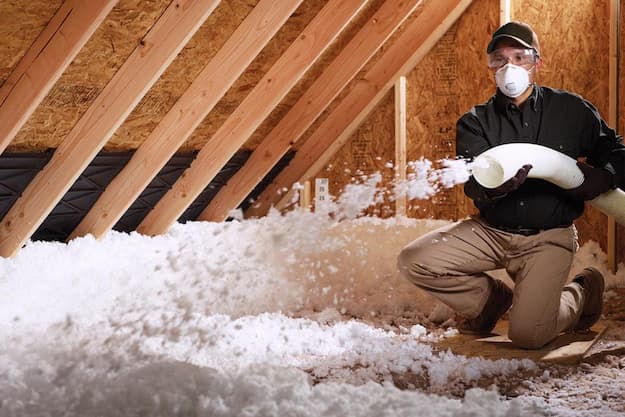
Factors Influencing Fire Resistance in Insulation
Several factors can affect the fire resistance of attic insulation:
- Material Composition: The inherent properties of the insulation material play a significant role in its ability to resist fire.
- Installation Quality: Proper installation ensures that there are no gaps or voids that could compromise fire resistance.
- Fire-Retardant Treatments: Some insulation materials are treated with chemicals to enhance their fire resistance. It’s important to check if these treatments are present and effective.
Improving Attic Safety with Fire-Resistant Insulation
Enhancing the fire safety of your attic involves more than just choosing the right insulation. Here are additional steps you can take:
- Regular Inspections: Conduct routine checks to ensure that insulation is in good condition and free from damage.
- Fire Barriers: Consider installing fire barriers or fire-resistant boards to further protect your attic space.
- Smoke Detectors: Install smoke detectors in the attic to provide early warning in case of a fire.

FAQs on Fire-Resistant Attic Insulation
What is the most fire-resistant insulation material?
Mineral wool insulation is considered one of the most fire-resistant materials due to its ability to withstand high temperatures without burning.
Can I improve the fire resistance of existing insulation?
Yes, you can enhance fire resistance by adding fire-retardant treatments or installing additional fire barriers. Consult a professional for the best approach.
How often should attic insulation be inspected for fire safety?
It’s recommended to inspect attic insulation annually to ensure it remains effective and free from damage that could compromise fire resistance.