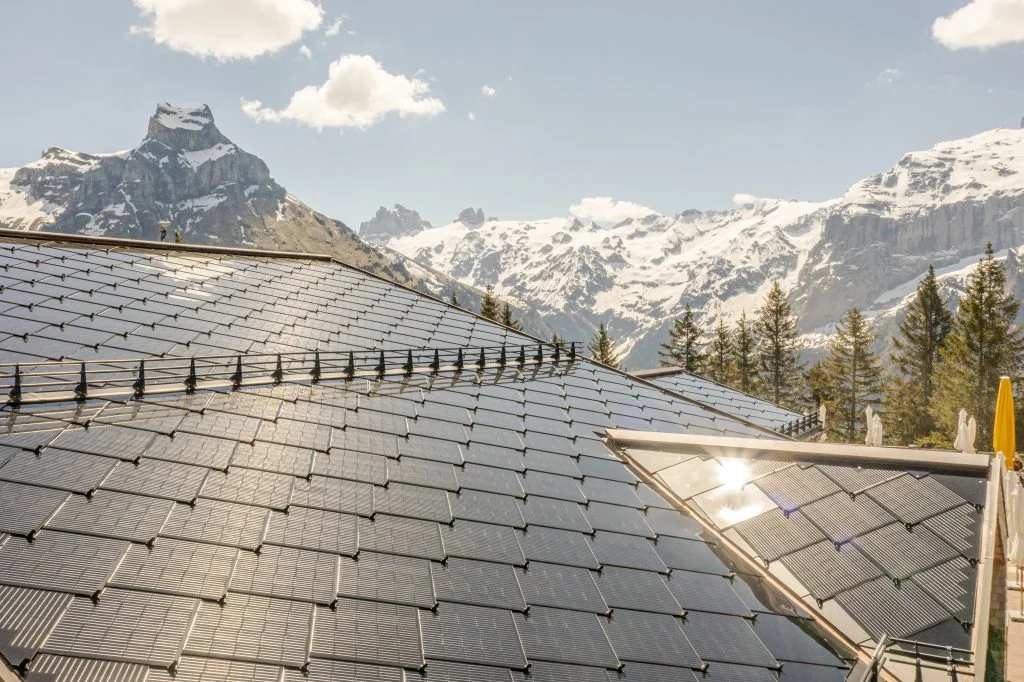
As more homeowners look for ways to combine sustainability with value, solar roofing for home renovation has emerged as a practical solution. Integrating solar technology into your roof not only reduces energy bills but also increases property value and supports eco-friendly living. Whether you’re updating an older home or building an addition, understanding the options and benefits of solar-integrated roofing can help you make informed decisions for your renovation plans.
The market for solar roofs has grown rapidly, offering a variety of products that blend seamlessly with traditional roofing materials. From sleek solar shingles to advanced photovoltaic tiles, today’s solutions are more efficient and visually appealing than ever. For those interested in the latest industry developments, you can explore solar roofing market trends to see how technology and consumer preferences are shaping the future of residential solar.
Why Consider Solar Roofs for Your Next Renovation?
Upgrading your roof during a home renovation is an ideal time to incorporate solar power. Unlike traditional solar panels that are mounted on top of existing shingles, modern solar roofing integrates photovoltaic cells directly into the roofing material. This approach offers several advantages:
- Improved aesthetics: Solar tiles and shingles blend with standard roofing, maintaining curb appeal.
- Increased energy efficiency: Integrated systems maximize sunlight capture and reduce utility costs.
- Long-term durability: Many solar roofing products are designed to last as long as, or longer than, conventional roofing materials.
- Potential tax incentives: Homeowners may qualify for federal, state, or local tax credits when installing solar technology as part of a renovation.
For a deeper dive into the technology behind these systems, check out the latest solar roofing technology and see how innovations are making solar more accessible.
Types of Solar Roofing for Home Renovation
When planning a home improvement project, it’s important to choose the right solar roofing product for your needs. The main options include:
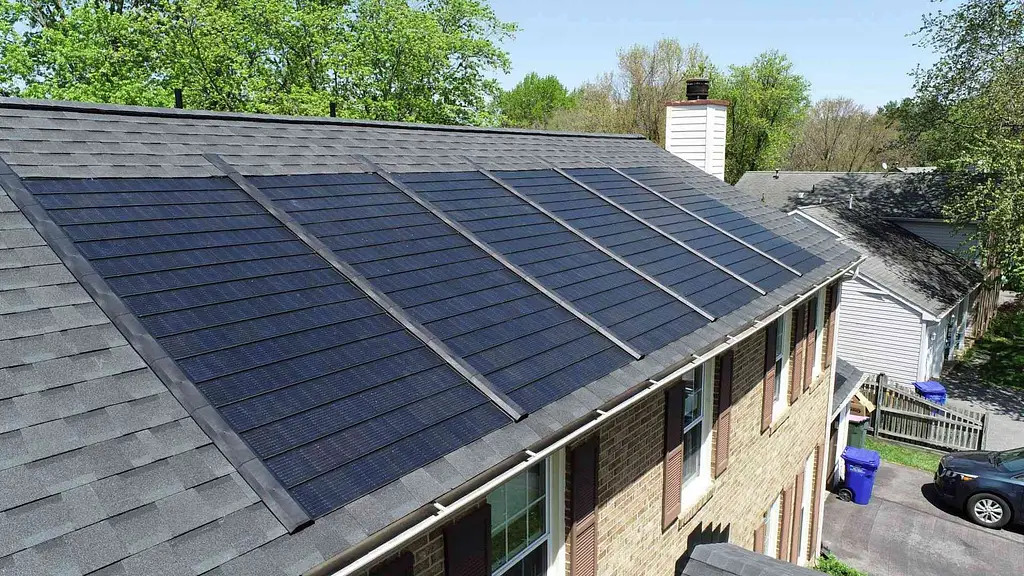
- Solar shingles: These look like traditional asphalt shingles but contain photovoltaic cells. They’re ideal for homeowners who want a subtle, integrated appearance.
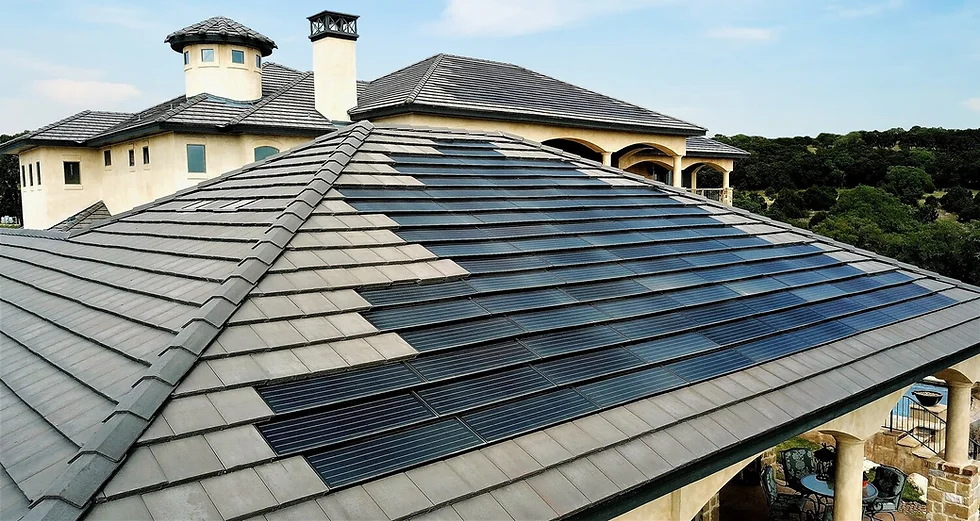
- Solar tiles: Designed to mimic the look of slate or clay tiles, these are popular for homes with specific architectural styles.
- Building-integrated photovoltaics (BIPV): These systems are custom-designed to blend with a variety of roofing materials and can be tailored to unique renovation projects.
Each option varies in terms of cost, efficiency, and installation requirements. It’s wise to consult with a qualified installer and review a solar roofing site assessment to determine which product best fits your home’s structure and your energy goals.
Key Benefits of Solar Roofing Upgrades
Adding solar to your roof during a renovation offers several compelling benefits beyond just energy savings. Here are some of the most significant advantages:
- Lower electricity bills: By generating your own power, you can significantly reduce or even eliminate monthly utility costs.
- Increased property value: Homes with solar installations are often valued higher and sell faster than those without.
- Environmental impact: Solar energy is clean and renewable, helping to reduce your carbon footprint.
- Minimal maintenance: Most solar roofing systems require little upkeep, especially when installed by experienced professionals.
For a closer look at how these systems are evolving, you might be interested in recent innovations in solar roofing that are making installations more efficient and affordable.
Installation Process and Considerations
The process of adding solar to your roof as part of a renovation involves several key steps:
- Site assessment: A professional will evaluate your roof’s structure, orientation, and shading to determine suitability for solar installation.
- Design and permitting: The installer will design a system tailored to your home and handle any necessary permits.
- Roof preparation: Old roofing materials may be removed, and the surface prepared for solar shingles or tiles.
- Installation: The solar roofing components are installed, wired, and connected to your home’s electrical system.
- Inspection and activation: After a final inspection, your system is activated and begins generating power.
It’s important to work with certified installers who are familiar with both roofing and solar technologies. This ensures your new roof is both watertight and capable of optimal energy production.
Potential Challenges and How to Address Them
While the benefits of solar-integrated roofing are substantial, there are some challenges to keep in mind:
- Upfront costs: The initial investment can be higher than traditional roofing. However, incentives and long-term savings often offset these costs.
- Roof compatibility: Not all roofs are suitable for solar integration, especially if they are heavily shaded or have complex structures.
- Product selection: With many products on the market, choosing the right one requires careful research and professional advice.
For a balanced perspective, you may want to review the advantages and disadvantages of solar roof tiles to help weigh your options.
How to Prepare for a Solar Roofing Renovation
If you’re considering a solar upgrade as part of your renovation, start by evaluating your current roof’s condition and your long-term energy needs. Here are a few steps to help you prepare:
- Schedule a professional assessment to determine if your roof is a good candidate for solar integration.
- Research local incentives and rebates that can reduce your out-of-pocket costs.
- Compare products and installers to find the best fit for your home and budget.
- Plan for future maintenance by learning about cleaning and minor upkeep to keep your system running efficiently.
Keeping up with solar roofing future trends can also help you make choices that will stand the test of time and technology.
FAQ: Solar Roofing and Home Renovation
How long does a solar roof last compared to traditional roofing?
Most solar roofing products are designed to last 25–30 years or more, which is comparable to or longer than many conventional roofing materials. The photovoltaic components are typically warrantied for power output, while the roofing itself is built to withstand weather and wear.
Can solar roofing be installed on any type of home?
While many homes are suitable, factors like roof orientation, pitch, shading, and structural integrity play a role. A professional assessment will help determine if your home is a good candidate for solar integration.
Are there maintenance requirements for solar-integrated roofs?
Maintenance is generally minimal. Keeping the surface clean and free of debris ensures optimal performance. Some homeowners use specialized brushes or hire professionals for periodic cleaning.