As more homeowners look for ways to reduce energy costs and embrace sustainable living, solar roofing on asphalt shingles has become a popular solution. Whether you’re considering a full solar roof or adding panels to your existing asphalt shingle roof, understanding the options, installation process, and long-term benefits is essential. This article covers what you need to know about integrating solar technology with asphalt shingles, from compatibility and installation to maintenance and cost considerations.
If you’re weighing the pros and cons of solar roofs, you may also find value in our solar roofing pros and cons overview, which provides a comprehensive look at the advantages and drawbacks of different solar roofing solutions.
Understanding Solar Roofing for Asphalt Shingle Roofs
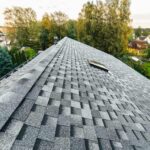
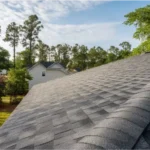
Asphalt shingles are the most common roofing material in North America, making them a frequent candidate for solar upgrades. There are two main approaches: installing traditional solar panels on top of the shingles, or opting for integrated solar shingles or tiles that blend directly with the roof surface. Each method has its own set of requirements, benefits, and considerations.
Types of Solar Solutions for Asphalt Shingle Roofs
- Traditional Solar Panels: Mounted on racks above the existing shingles, these are the most widely used and cost-effective option.
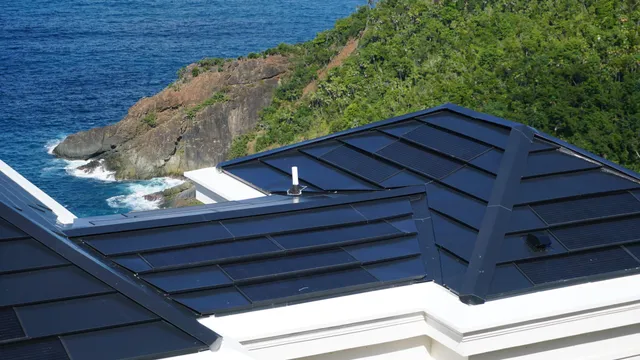
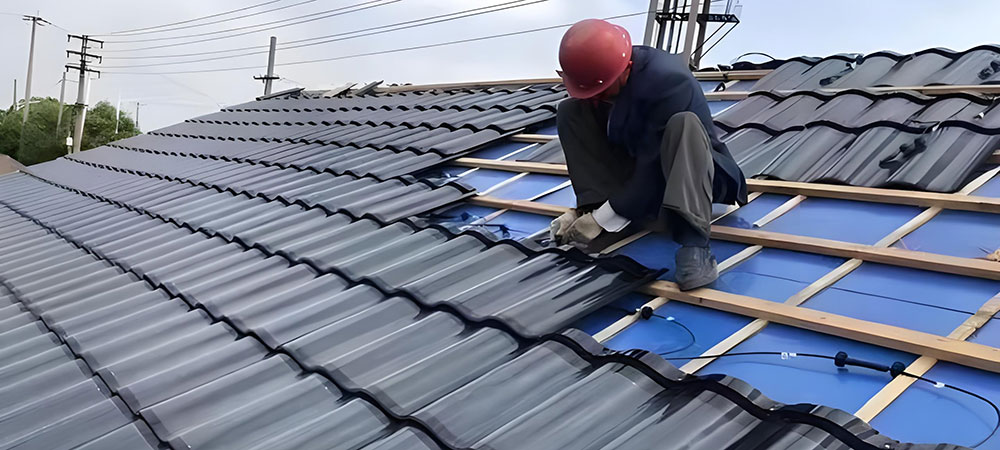
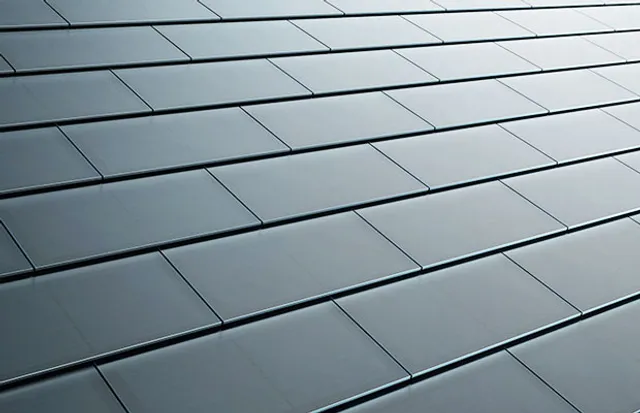
- Solar Shingles or Tiles: These replace sections of your asphalt shingles with photovoltaic materials, offering a sleeker look.
For a detailed comparison of these technologies, you can refer to this guide to solar roof tiles versus solar panels.
Compatibility of Asphalt Shingles with Solar Technology
Most modern asphalt shingle roofs are compatible with both rack-mounted solar panels and integrated solar shingles. However, the condition and age of your existing roof play a significant role. Ideally, your shingles should have at least 10–15 years of life left before installing any solar system. If your roof is nearing the end of its lifespan, it’s wise to replace it before adding solar components to avoid extra labor costs later.
Assessing Roof Suitability
- Roof Age: Newer roofs are better candidates, as solar systems are designed to last 25 years or more.
- Roof Orientation: South-facing roofs receive the most sunlight, maximizing energy production.
- Structural Integrity: The roof must be able to support the additional weight of panels or solar shingles.
For more on the benefits of advanced solar tiles, see our article on the advantages of solar roof tiles for modern homes.
Installation Process for Solar Roofing on Shingles
The installation process varies depending on whether you choose traditional panels or integrated solar shingles. Both require professional assessment and careful planning to ensure optimal performance and roof protection.
Steps for Installing Solar Panels on Asphalt Shingles
- Site Assessment: A solar installer evaluates your roof’s condition, orientation, and shading.
- Design and Permitting: The system is designed to fit your roof and local building codes.
- Mounting Hardware Installation: Racks are attached to the roof structure, with flashing to prevent leaks.
- Panel Installation: Solar panels are secured to the racks and wired together.
- Electrical Connection: The system is connected to your home’s electrical panel and, if applicable, the grid.
- Inspection and Activation: Final inspections ensure safety and code compliance before the system is turned on.
Integrated solar shingles follow a similar process but involve removing existing shingles and replacing them with solar tiles, which act as both roofing and energy generators.
Cost Considerations and Return on Investment
The cost of adding solar to an asphalt shingle roof depends on several factors, including the size of your system, type of solar technology, and local labor rates. Traditional solar panels are generally less expensive than integrated solar shingles, but both offer long-term savings on electricity bills.
- Traditional Solar Panels: Typically range from $15,000 to $25,000 for an average home before incentives.
- Solar Shingles: Can cost 20–50% more than panels, but provide a seamless look and dual function as roofing material.
Federal and state incentives, such as tax credits and rebates, can significantly reduce upfront costs. Over time, most homeowners recoup their investment through lower utility bills and increased property value.
Maintenance and Longevity of Solar Roofing Systems
Both solar panels and integrated shingles require minimal maintenance. Occasional cleaning to remove debris and checking for damage after severe weather are usually sufficient. Most systems come with warranties of 20–25 years, and the underlying asphalt shingles should last just as long if properly installed.
For tips on keeping your roof and solar system in top shape, consider using specialized cleaning tools and following manufacturer guidelines.
Potential Drawbacks and What to Watch For
While the benefits of solar roofing are significant, there are some challenges to keep in mind. Installation can be complex, especially for older roofs or those with multiple slopes and obstructions. Repairs may also be more involved if the roof or solar system is damaged.
To better understand the limitations, see our guide on the disadvantages of solar roofing.
Frequently Asked Questions
Can I install solar panels on an older asphalt shingle roof?
It’s possible, but not always recommended. If your roof has less than 10 years of life left, it’s best to replace it before installing solar panels or shingles. This prevents the need to remove and reinstall the solar system when the roof needs replacement.
Are solar shingles as efficient as traditional solar panels?
Solar shingles are generally less efficient than traditional panels, but they offer a more integrated appearance. The best choice depends on your priorities for aesthetics, efficiency, and budget.
How do I maintain my solar roofing system?
Maintenance is straightforward: keep the panels or shingles clean and free of debris, and inspect them after storms. Most systems require little intervention beyond periodic cleaning and annual professional inspections.
Conclusion
Upgrading to a solar roof on your asphalt shingles can be a smart investment for energy savings and sustainability. By understanding your options and working with experienced professionals, you can enjoy reliable, long-lasting solar performance. For more information on how solar roofs compare to other options, check out our resource on solar roof vs traditional solar panels.