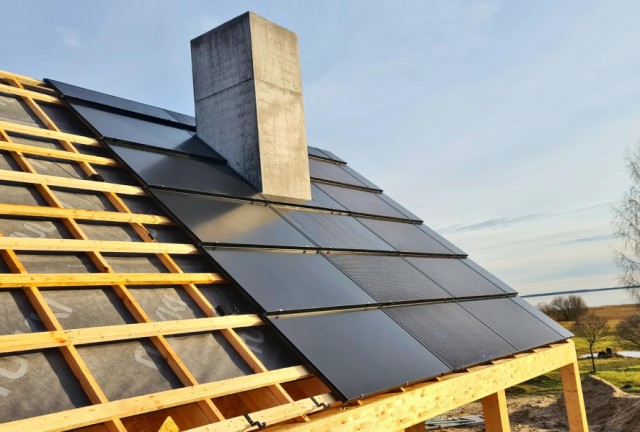
As more homeowners look for sustainable and energy-efficient roofing solutions, the question of how long solar roofs last has become increasingly important. Understanding the solar roof lifespan helps you make informed decisions about your investment, maintenance, and long-term savings. In this article, we’ll break down the factors that influence durability, compare solar roofing to traditional options, and offer practical advice for maximizing the performance of your solar roof.
Before diving into the details, it’s helpful to understand how solar roofs compare to other popular roofing materials. If you’re considering a broader upgrade, you might want to review the roof upgrade cost for high-performance shingles, which can provide additional context for your decision.
What Determines the Longevity of a Solar Roof?
Several factors contribute to how long a solar roof will last. The main elements include the quality of the materials, installation standards, environmental conditions, and ongoing maintenance. Let’s look at each in more detail:
- Material Quality: The durability of solar shingles or tiles depends on the manufacturer and the technology used. Premium brands often offer longer warranties and use more robust materials.
- Installation: Proper installation is critical. Poor workmanship can lead to leaks, electrical issues, or premature wear, all of which can shorten the expected service life.
- Climate and Weather: Solar roofs are designed to withstand harsh weather, but extreme conditions—such as hail, heavy snow, or high winds—can impact their longevity.
- Maintenance: Regular cleaning and inspections help prevent buildup of debris and identify minor issues before they become major problems.
Average Lifespan of Solar Roofing Systems
On average, a well-installed solar roof can last between 25 to 40 years. This range is comparable to, or even exceeds, the lifespan of traditional asphalt shingles, which typically last 15 to 30 years. Here’s a quick comparison:
| Roof Type | Average Lifespan (Years) |
|---|---|
| Solar Shingles/Tiles | 25–40 |
| Asphalt Shingles | 15–30 |
| Metal Roofing | 30–50 |
| Clay/Concrete Tiles | 40–50 |
Many manufacturers back their products with warranties that cover both power output and physical durability for 20–30 years, giving homeowners peace of mind regarding their investment.
How Solar Roofs Stand Up to the Elements
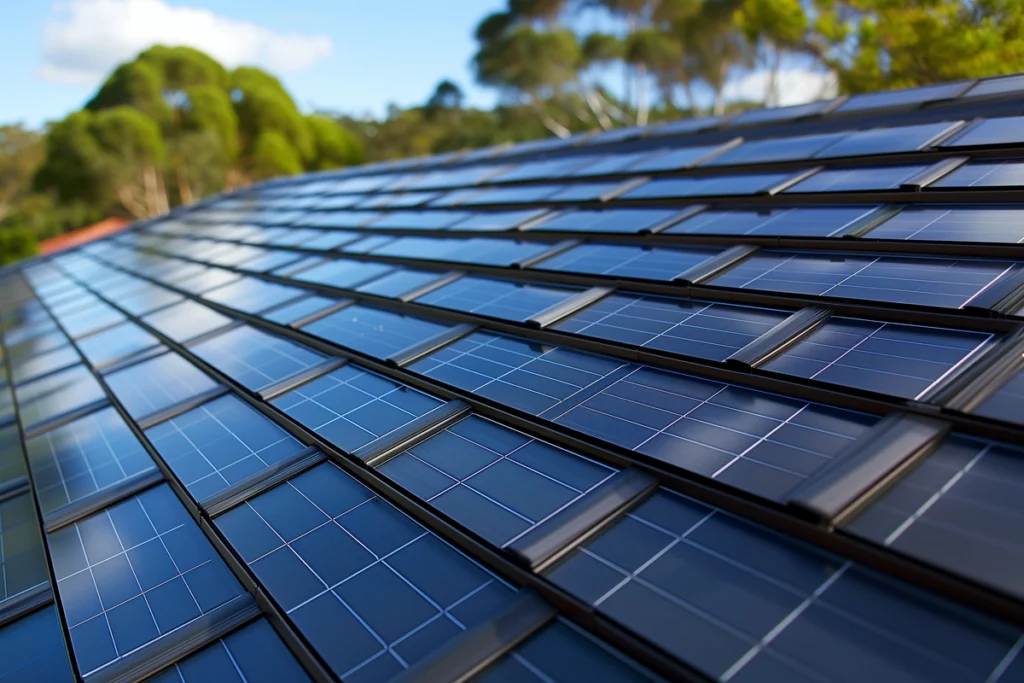
Solar roofs are engineered to be as tough as conventional roofing materials. Most products are tested for impact resistance, wind uplift, and water tightness. Some key durability features include:
- Impact Resistance: Many solar tiles and shingles are rated to withstand hail and debris.
- Waterproofing: Integrated designs prevent leaks, even in heavy rain.
- Wind Ratings: Quality solar roofs can resist winds up to 110–130 mph, depending on the system.
It’s important to note that while the photovoltaic cells may continue to produce electricity for decades, the roof’s protective qualities—such as waterproofing and structural integrity—are equally important for long-term performance.
Maintenance Tips to Extend Solar Roof Service Life
Proper care can help you get the most out of your investment. Here are some practical maintenance tips:
- Regular Cleaning: Remove leaves, dirt, and debris to ensure maximum sunlight exposure and prevent moisture buildup.
- Annual Inspections: Schedule professional checks to identify and fix minor issues before they escalate.
- Monitor Performance: Use monitoring apps or systems to track energy output and spot potential problems early.
- Trim Overhanging Branches: Prevent scratches and shading by keeping nearby trees pruned.
For more detailed advice on roof care, you might find the roofing mistakes to avoid during maintenance and upgrades especially useful.
Warranties and What They Cover
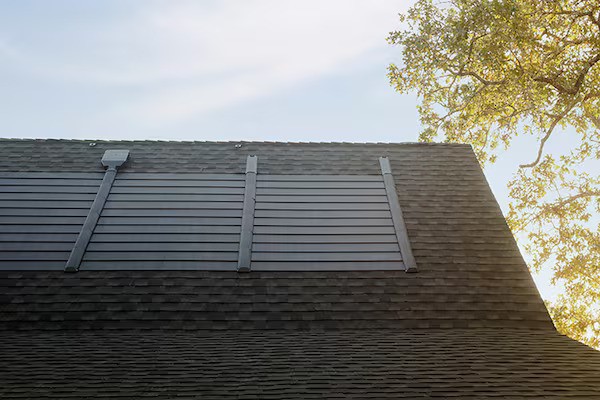
Most solar roofing manufacturers offer two types of warranties: one for the energy production of the solar cells, and another for the physical roof components. Power output warranties typically guarantee at least 80% of the original capacity after 25 years. Product warranties for the roof itself often range from 20 to 30 years, covering defects in materials and workmanship.
It’s wise to review the warranty details before making a purchase. Some warranties may require professional installation or regular maintenance to remain valid. For a deeper look at the benefits and coverage options, check out this overview of solar roof tile advantages.
Comparing Solar Roofs to Traditional Options
When considering a new roof, it’s helpful to compare solar options to conventional materials. While the upfront cost of a solar roof is typically higher, the extended service life and energy savings can offset the initial investment. Unlike standard shingles, solar roofs generate electricity, which can significantly reduce utility bills over time.
If you’re replacing an older roof, you may want to consult the guide to full tear-offs for asphalt roofs to understand the process and costs involved in switching to a solar solution.
Signs Your Solar Roof Needs Attention
Even with robust construction, it’s important to watch for signs of wear or damage. Common indicators that your solar roof may need repairs or replacement include:
- Noticeable drop in energy production
- Visible cracks, chips, or broken tiles
- Leaks or water stains inside the home
- Loose or missing shingles/tiles
Addressing these issues promptly can help extend the overall service life and maintain optimal performance. For more on recognizing problems early, see the asphalt roof failure signs resource, which offers tips that also apply to solar installations.
Frequently Asked Questions
How often do solar roofs need to be replaced?
Most solar roofs are designed to last 25–40 years before needing replacement. However, individual components, such as inverters, may require servicing or replacement sooner. Regular maintenance can help maximize the full lifespan of your system.
Do solar roofs require more maintenance than regular roofs?
Solar roofs generally require similar or even less maintenance than traditional roofs. Occasional cleaning and annual inspections are usually sufficient to keep them operating efficiently. Monitoring energy output can also help detect issues early.
What happens if part of the solar roof is damaged?
If a section of your solar roof is damaged, most systems allow for individual tiles or shingles to be replaced without disturbing the rest of the roof. It’s important to address damage quickly to prevent leaks or further issues.
Conclusion
Solar roofs offer impressive longevity, with many systems lasting upwards of 30 years when properly installed and maintained. By choosing quality materials, ensuring professional installation, and following basic care guidelines, you can enjoy reliable protection and renewable energy for decades. As technology advances, the durability and efficiency of solar roofing will only continue to improve, making it a smart choice for homeowners looking for long-term value and sustainability.