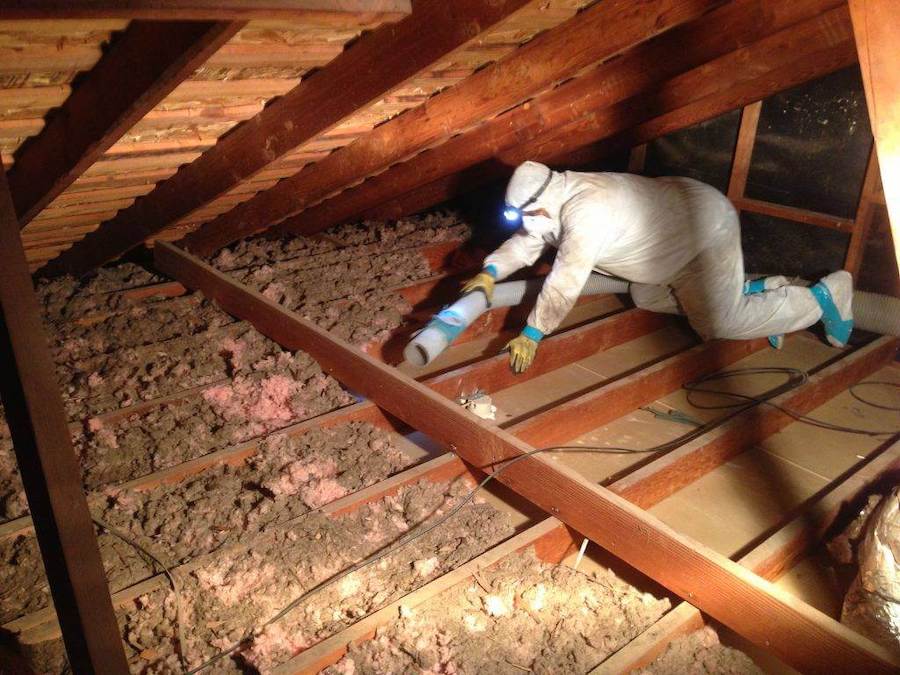
Enhancing the thermal efficiency of your home is crucial, and one effective way to achieve this is through roof insulation upgrades. These improvements not only help in maintaining a comfortable indoor temperature but also significantly reduce energy costs. In this guide, we will explore various options available for upgrading your roof insulation, ensuring you make an informed decision that suits your needs and budget.
Before diving into the specifics, it’s worth noting the growing interest in sustainable roofing solutions. For instance, the solar roofing market trends indicate a shift towards eco-friendly options, which can complement your insulation upgrades.
Understanding Different Insulation Materials
Choosing the right insulation material is a critical step in upgrading your roof. Each type offers unique benefits and is suitable for different climates and roof structures. Here are some popular options:
- Fiberglass Insulation: Known for its affordability and ease of installation, fiberglass is a common choice for many homeowners. It effectively reduces heat transfer and is available in batts or loose-fill forms.
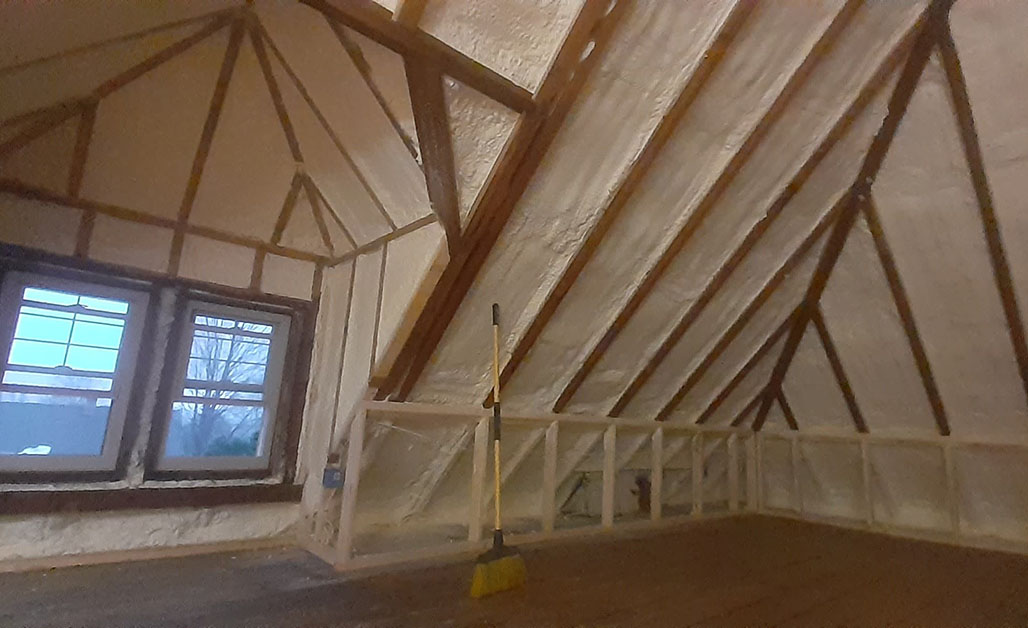
- Spray Foam Insulation: This option provides an excellent air seal and is ideal for irregularly shaped spaces. It expands to fill gaps, offering superior thermal resistance.
- Cellulose Insulation: Made from recycled paper products, cellulose is an eco-friendly choice. It is treated with fire retardants and provides good thermal performance.
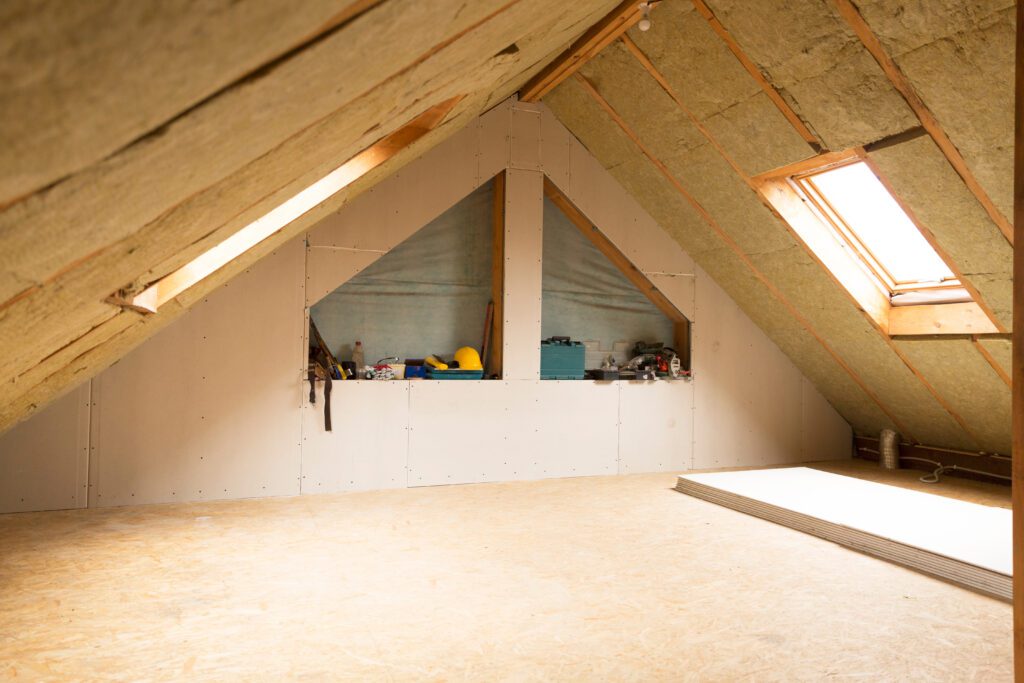
- Rigid Foam Insulation: Offering high insulating value, rigid foam boards are suitable for areas with limited space. They are moisture-resistant, making them ideal for roofs prone to water exposure.
Assessing Your Current Roof Insulation
Before proceeding with any upgrades, it’s essential to evaluate the existing insulation. This assessment helps identify areas that require improvement and ensures that the new insulation will perform optimally. Consider the following steps:
- Inspect for Damage: Look for signs of wear, moisture damage, or pest infestations that may compromise the insulation’s effectiveness.
- Measure Insulation Thickness: Use a ruler to measure the thickness of the current insulation. Compare it against recommended levels for your region to determine if an upgrade is necessary.
- Check for Air Leaks: Identify any gaps or cracks in the roof structure where air may escape. Sealing these areas will enhance the overall efficiency of the insulation.
Benefits of Upgrading Your Roof Insulation
Investing in better insulation offers numerous advantages beyond energy savings. Here are some key benefits:
- Enhanced Comfort: Improved insulation maintains a consistent indoor temperature, reducing the need for heating and cooling systems.
- Environmental Impact: By reducing energy consumption, you contribute to a lower carbon footprint, supporting environmental sustainability.
- Increased Property Value: Homes with efficient insulation are more attractive to potential buyers, potentially increasing resale value.
FAQs About Roof Insulation Upgrades
What is the best type of insulation for my roof?
The best type of insulation depends on your specific needs, climate, and roof structure. Fiberglass and spray foam are popular choices for their effectiveness and versatility.
How often should roof insulation be replaced?
Insulation typically lasts 20 to 30 years, but it’s advisable to inspect it regularly for signs of damage or inefficiency and replace it as needed.
Can I install new insulation over existing insulation?
Yes, in many cases, new insulation can be added on top of existing layers, provided the old insulation is in good condition and not wet or damaged.