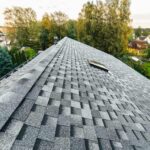
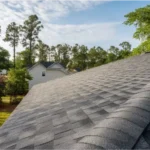
Understanding the role of soffit vents in home ventilation is crucial for maintaining a healthy and energy-efficient living environment. These vents are integral to the attic ventilation system, allowing fresh air to enter the attic space and circulate throughout. By facilitating airflow, soffit vents help prevent moisture buildup and reduce the risk of mold and mildew, ultimately protecting the structural integrity of your home.
Incorporating soffit vents into your roofing system can also enhance energy efficiency by regulating attic temperatures. This can lead to reduced energy costs, as your HVAC system won’t have to work as hard to maintain a comfortable indoor climate. For those interested in sustainable home improvements, exploring solar roofing market trends can provide additional insights into energy-efficient solutions.
The Mechanics of Soffit Ventilation
Soffit vents are typically installed under the eaves of a roof, allowing air to flow into the attic space. This inflow of air is crucial for maintaining a balanced ventilation system. The air enters through the soffit vents and exits through roof vents, creating a continuous flow that helps regulate the attic’s temperature and moisture levels.
By understanding how soffit vents work, homeowners can ensure their attic is properly ventilated, which is essential for preventing heat buildup during summer months and moisture accumulation in winter. This natural airflow helps in maintaining the longevity of roofing materials and insulation.
Benefits of Proper Attic Ventilation
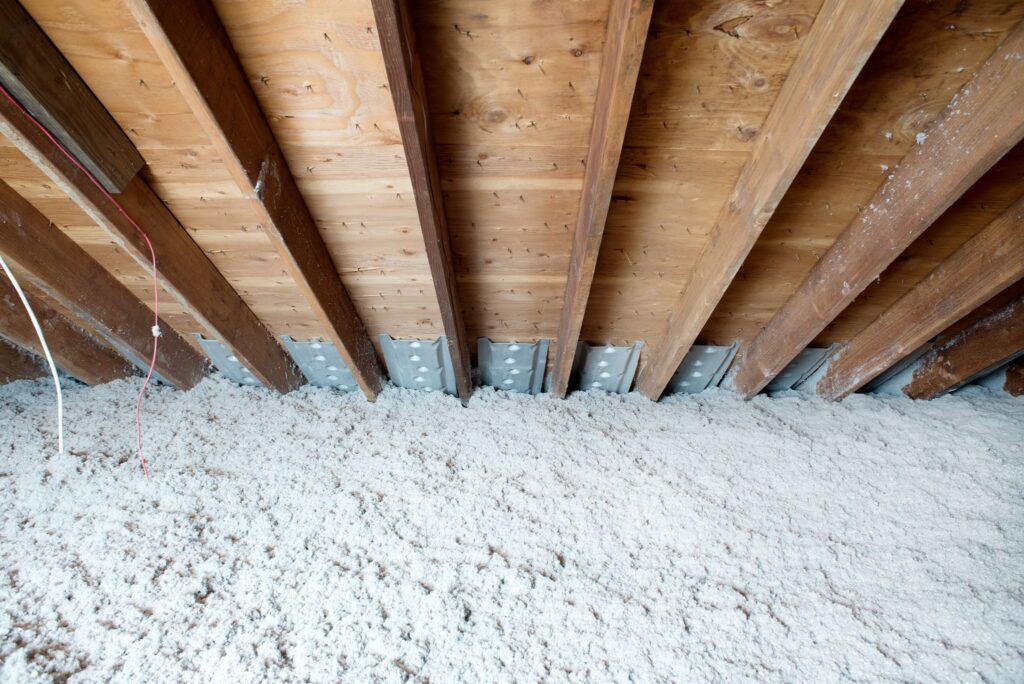
Proper attic ventilation, facilitated by soffit vents, offers several benefits. It helps in maintaining a consistent temperature throughout the home, which can lead to significant energy savings. Additionally, by preventing moisture buildup, soffit vents reduce the risk of structural damage and improve indoor air quality.
Moreover, a well-ventilated attic can enhance the performance of your insulation. When insulation stays dry, it functions more effectively, providing better thermal resistance. This is particularly important in regions with extreme weather conditions, where insulation performance can significantly impact energy consumption.
Installation and Maintenance Tips
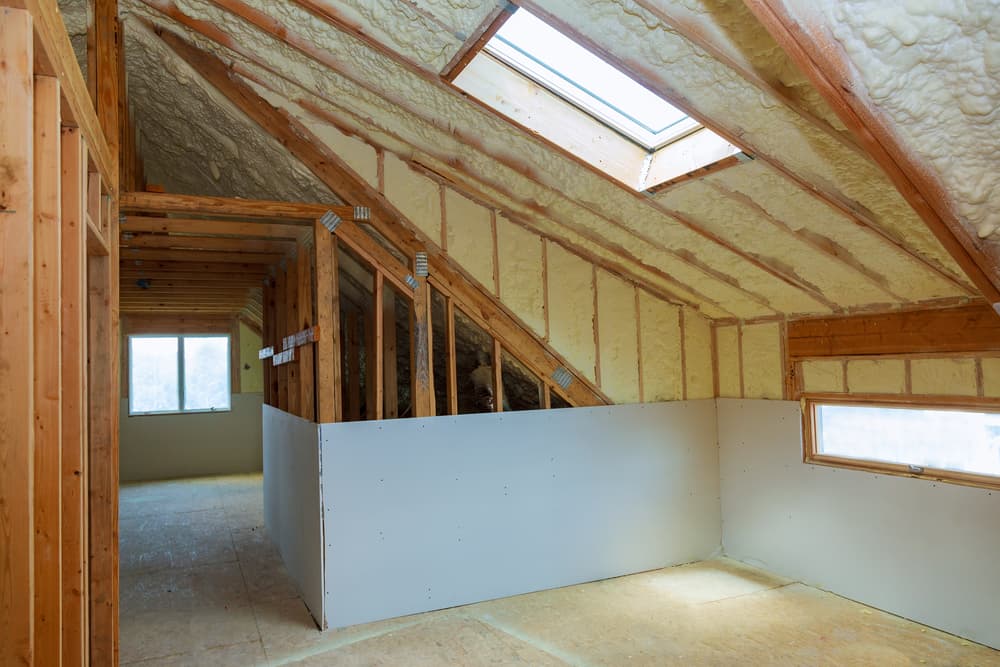
Installing soffit vents requires careful planning and execution. It’s important to ensure that the vents are evenly spaced and free from obstructions to maximize airflow. Regular maintenance is also crucial; periodically check for blockages caused by debris or insulation that may hinder air circulation.
For those considering a comprehensive approach to home energy efficiency, integrating the latest solar roofing technology with a well-ventilated attic can provide substantial benefits. This combination not only optimizes energy use but also contributes to a sustainable living environment.
FAQs About Soffit Vents
What are soffit vents?
Soffit vents are openings located under the eaves of a roof that allow air to enter the attic space. They are a key component of attic ventilation systems, working in conjunction with roof vents to facilitate airflow.
How do soffit vents improve energy efficiency?
By promoting air circulation, soffit vents help maintain a stable attic temperature, reducing the need for excessive heating or cooling. This can lead to lower energy bills and a more comfortable living environment.
Can I install soffit vents myself?
While it’s possible to install soffit vents as a DIY project, it requires careful planning and proper tools. For best results, consider hiring a professional to ensure correct installation and optimal performance.