Understanding the R-value of roof insulation is crucial for homeowners looking to enhance their home’s energy efficiency. This guide will help you navigate the complexities of insulation ratings, ensuring you make informed decisions for your home. By optimizing your roof’s insulation, you can significantly reduce energy costs and improve indoor comfort.
Before diving into the specifics of insulation, consider exploring related topics like solar roofing market trends to understand how different roofing technologies can complement your insulation efforts.
What is R-Value and Why Does It Matter?
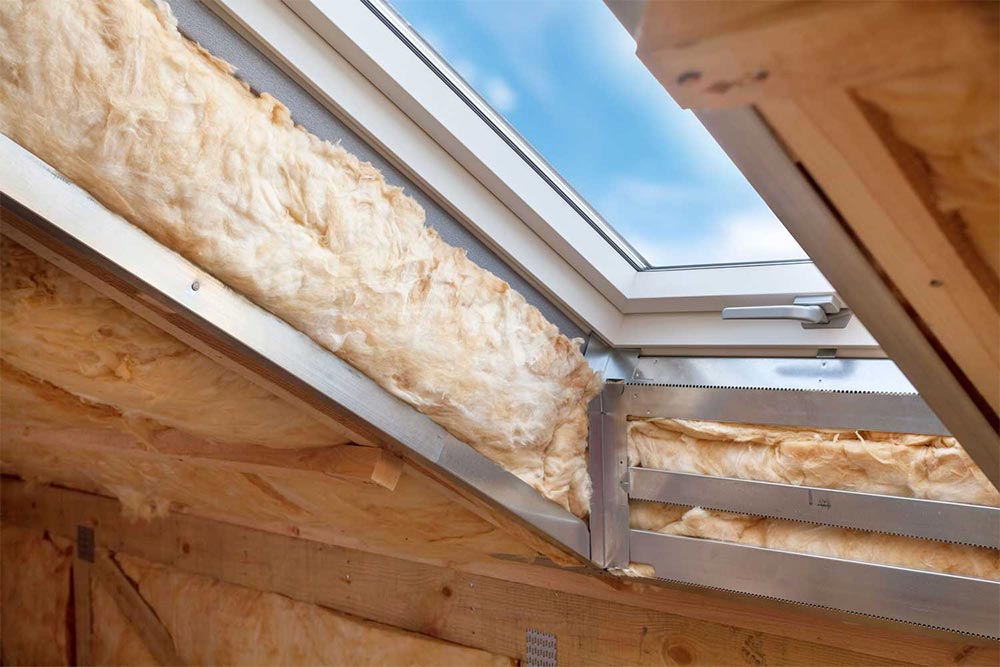
The R-value measures the thermal resistance of insulation materials. A higher R-value indicates better insulating properties, which means less heat loss during winter and less heat gain during summer. This is essential for maintaining a consistent indoor temperature and reducing energy bills.
Factors Affecting Insulation R-Value
Several factors influence the R-value of insulation, including the material type, thickness, and density. Common insulation materials include fiberglass, cellulose, and foam. Each material has unique properties that affect its thermal resistance.
Choosing the Right Insulation for Your Roof
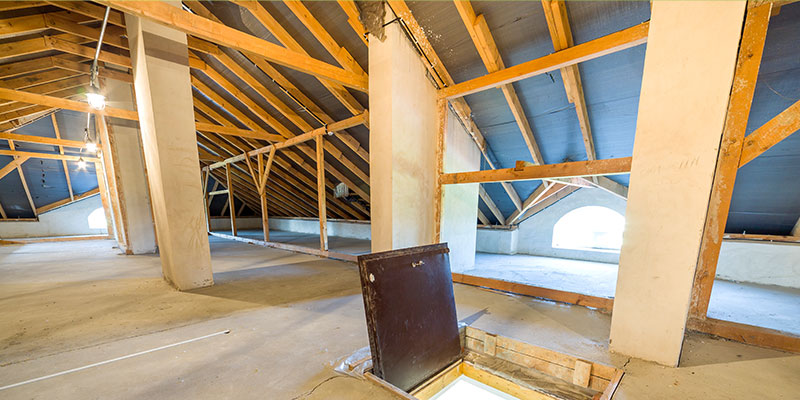
When selecting insulation, consider your local climate, the structure of your roof, and your budget. In colder regions, a higher R-value is recommended to prevent heat loss. Conversely, in warmer climates, the focus should be on preventing heat gain.
Installation Tips for Optimal Performance
Proper installation is key to maximizing the effectiveness of your insulation. Ensure there are no gaps or compressions in the material, as these can significantly reduce the R-value. It’s often beneficial to consult with a professional to ensure the job is done correctly.

Maintaining Your Roof Insulation
Regular maintenance of your insulation can prolong its life and efficiency. Check for signs of moisture, mold, or pest infestation, as these can degrade the insulation material. Address any issues promptly to maintain optimal thermal resistance.
FAQs About Roof Insulation
How often should roof insulation be replaced?
Roof insulation typically lasts 15-20 years, but this can vary based on material and environmental conditions. Regular inspections can help determine when replacement is necessary.
Can I add more insulation over existing layers?
Yes, adding more insulation over existing layers can increase the R-value, but it’s important to ensure that the new insulation is compatible with the old and that it doesn’t compress the existing material.
What is the best insulation material for high R-value?
Foam insulation generally offers the highest R-value per inch, making it an excellent choice for maximizing thermal resistance in limited spaces.