Homeowners are increasingly interested in sustainable upgrades that not only reduce energy costs but also add tangible value to their properties. Among these, solar roofing stands out as a modern solution that merges energy efficiency with curb appeal. As the demand for renewable energy grows, many are asking whether integrating solar panels or solar shingles into a roof truly boosts a home’s market value.
In this article, we’ll explore how solar roofing impacts property worth, what factors influence the return on investment, and what recent trends and research reveal about the real estate market’s response to solar-equipped homes. We’ll also connect you to resources on solar roofing market trends for deeper insights into the evolving landscape.
Understanding the Value Proposition of Solar Roofing
The question of whether solar roofing increases home value is more nuanced than a simple yes or no. Several studies and real estate analyses suggest that properties equipped with solar energy systems tend to sell for more than comparable homes without them. This premium is often attributed to the promise of lower utility bills, environmental benefits, and the modern aesthetic that solar roofs provide.
According to the U.S. Department of Energy and multiple real estate platforms, homes with solar installations can see an increase in resale value ranging from 3% to 5%. The actual percentage depends on factors such as location, system size, age of the installation, and local electricity rates.
How Solar Roofing Impacts Curb Appeal and Buyer Perception
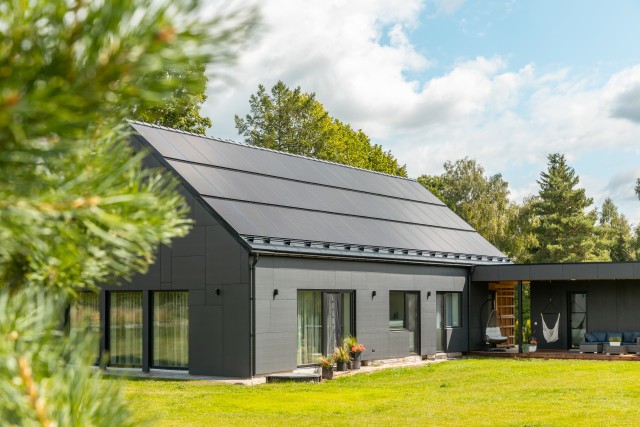
Beyond energy savings, solar roofing can enhance a property’s visual appeal—especially with the latest integrated solar shingles and tiles that blend seamlessly with traditional roofing materials. This integration is a significant selling point for buyers who want the benefits of solar power without the look of bulky panels.
The perception of a home as energy-efficient and environmentally friendly can be a strong motivator for buyers. In competitive markets, properties with solar features often stand out, attracting eco-conscious individuals and families who value long-term savings and sustainability.
Key Factors That Influence the Return on Solar Roofing Investments
The impact of solar roofing on home value is shaped by several important considerations:
- Location and Sun Exposure: Homes in regions with high electricity costs and abundant sunlight tend to benefit most from solar installations, both in savings and resale value.
- System Ownership: Owned solar systems (as opposed to leased) typically add more value, as buyers are not required to take over lease payments.
- System Age and Condition: Newer, well-maintained systems are more attractive to buyers and appraisers.
- Local Incentives: State and local incentives, rebates, and net metering policies can increase the financial benefits of solar roofing, making homes more appealing.
- Integration and Aesthetics: Integrated solar tiles or shingles that match the roof’s appearance can enhance curb appeal and perceived value.
Recent Trends and Research on Solar Roofing Value
As the solar industry evolves, so do the technologies and materials available for residential roofs. Innovations such as building-integrated photovoltaics (BIPV) and sleek solar shingles are making it easier for homeowners to adopt solar without compromising on style. For a deeper dive into these advancements, see our article on latest solar roofing technology.
Multiple studies, including those by the Lawrence Berkeley National Laboratory, have found that homes with solar panels consistently sell for more than those without. The premium varies by region, but the trend is clear: solar roofing is increasingly seen as a valuable home upgrade.
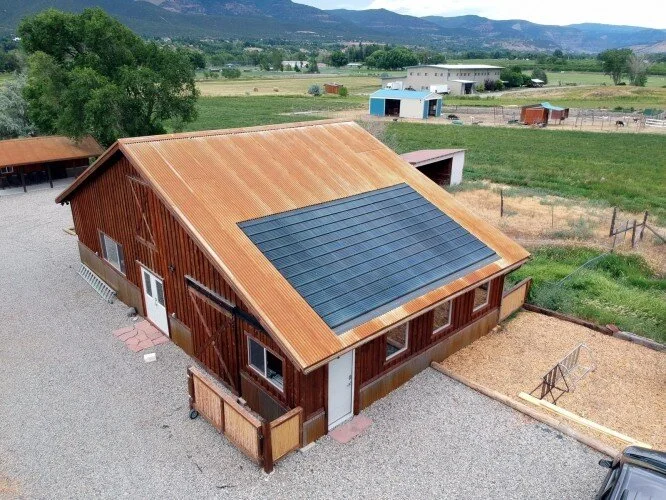
For example, a 2021 study found that homes with solar energy systems in California sold for an average of $15,000 more than similar homes without solar. While these figures vary by market, the overall direction is positive for homeowners considering this upgrade.
Comparing Solar Roofing to Other Home Improvements
When evaluating upgrades, it’s helpful to compare solar roofing to other common home improvements. Kitchen remodels, bathroom updates, and new windows can all add value, but solar installations offer the added benefit of ongoing utility savings. Over time, these savings can offset the initial investment, making solar a compelling choice for those planning to stay in their homes for several years.
Additionally, solar systems often come with warranties of 20 years or more, providing peace of mind for both current and future homeowners. This long-term reliability can be a strong selling point in real estate listings.
What Homeowners Should Know Before Installing Solar Roofing
Before making the decision to install solar roofing, consider the following:
- Review your local real estate market to see how solar-equipped homes are valued.
- Consult with a qualified installer to determine the best system for your roof type and sun exposure.
- Understand the difference between purchasing and leasing a system, as this affects resale value.
- Check for available incentives or rebates in your area to reduce upfront costs.
- Consider a solar roofing site assessment to evaluate your home’s suitability for solar upgrades.
For a comprehensive overview of the benefits and considerations, you can also read this guide to the benefits of installing solar roof tiles.
Frequently Asked Questions
How much does solar roofing typically add to a home’s value?
On average, solar roofing can increase a home’s value by 3% to 5%, though this varies by region, system size, and local energy prices. In some markets, the premium can be even higher, especially where electricity costs are significant.
Do leased solar systems increase property value?
Leased systems generally add less value than owned systems because buyers may be required to assume the lease. Owned systems are more attractive to buyers and appraisers, as they come with no ongoing obligations.
Are there any downsides to installing solar roofing?
While solar roofing offers many benefits, potential downsides include the upfront installation cost, possible roof modifications, and the need for regular maintenance. It’s important to work with reputable installers and ensure your roof is in good condition before adding solar panels or shingles.
How do solar roofing trends affect future resale value?
As solar technology advances and becomes more mainstream, the demand for homes with integrated solar features is expected to rise. Staying informed about solar roofing future trends can help homeowners make strategic decisions that maximize long-term value.
Conclusion
Investing in solar roofing can be a smart move for homeowners looking to reduce energy costs and enhance property value. While the exact return depends on several factors, the trend is clear: homes with solar features are increasingly attractive to buyers and often command higher prices. By staying informed about the latest technologies and market dynamics, you can make the most of your investment in renewable energy and sustainable living.