As solar roofing becomes a more common choice for homeowners and businesses, understanding how different weather conditions affect its efficiency is essential. The weather impact on solar roofing can influence energy production, system longevity, and maintenance needs. Whether you live in a region with frequent storms, heavy snowfall, or intense sunlight, knowing what to expect helps you get the most from your investment.
This article explores how various weather factors—such as sunlight, temperature swings, rain, snow, hail, and wind—affect the performance and durability of solar roofing systems. We’ll also cover practical steps to optimize output and protect your installation year-round. For those interested in broader industry developments, you can learn more about solar roofing market trends and how innovations are shaping the future of renewable energy.
How Sunlight and Cloud Cover Affect Solar Roof Output
The most direct factor influencing solar roof efficiency is sunlight. Solar panels and shingles convert sunlight into electricity, so the more direct sunlight they receive, the higher their output. However, even on cloudy days, modern solar roofing can still generate power, though at reduced levels—typically between 10% and 25% of their rated capacity.
Seasonal changes in daylight hours and sun angle also play a role. In winter, shorter days and a lower sun angle can reduce daily energy production. Conversely, long summer days with minimal cloud cover can maximize output. Homeowners in regions with frequent overcast weather should expect some variability but can still benefit from solar roofing, especially when paired with battery storage.
Temperature Extremes and Their Influence on Solar Roofing
While solar panels need sunlight, excessive heat can actually decrease their efficiency. Most photovoltaic materials operate best at moderate temperatures. When the surface temperature of a solar roof rises above 25°C (77°F), the electrical output begins to drop slightly. This phenomenon, known as the temperature coefficient, means that extremely hot climates may see lower peak efficiency, even with abundant sunshine.
On the other hand, cold weather does not harm solar panels—in fact, they often perform better in cooler conditions as long as there is sufficient sunlight. Snow can temporarily block sunlight, but most solar roofing is installed at an angle that allows snow to slide off as it melts, minimizing downtime.
Rain, Hail, and Wind: Durability and Maintenance Considerations
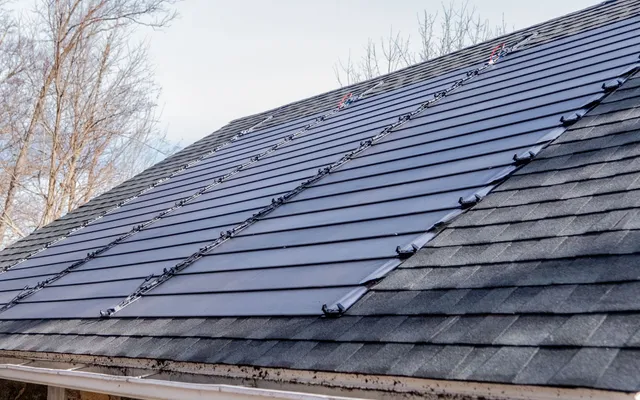
Precipitation and severe weather events are important considerations for anyone evaluating the weather impact on solar roofing. Most modern solar shingles and panels are designed to withstand heavy rain and hail. Their surfaces are made from tempered glass or robust polymers that resist cracking and water infiltration.
Rain can actually help keep solar panels clean by washing away dust and debris, which can otherwise block sunlight and reduce efficiency. However, after major storms or hail events, it’s wise to inspect your system for any visible damage. Wind is another factor—solar roofs are engineered to handle high gusts, but proper installation is critical to prevent uplift or dislodgement.
For best results, periodic maintenance is recommended. Using a gentle cleaning tool, such as a soft brush, can help maintain peak performance, especially in areas with frequent dust or pollen. For more technical details on how environmental factors affect solar roofs, see this peer-reviewed study on solar panel performance in varying weather conditions.
Snow and Ice: Seasonal Challenges for Solar Roofs
In snowy climates, accumulation on solar shingles can temporarily block sunlight and reduce output. Fortunately, most solar roofing systems are installed at an angle, which helps snow slide off naturally as it melts. Dark-colored panels also absorb heat, accelerating the melting process.
If snow does not slide off on its own, a roof cleaning brush can be used to gently remove it. Avoid using metal tools or harsh chemicals, as these can damage the surface. Proper snow management ensures your system continues to generate power throughout the winter months.
Long-Term Effects of Weather on Solar Roofing Systems
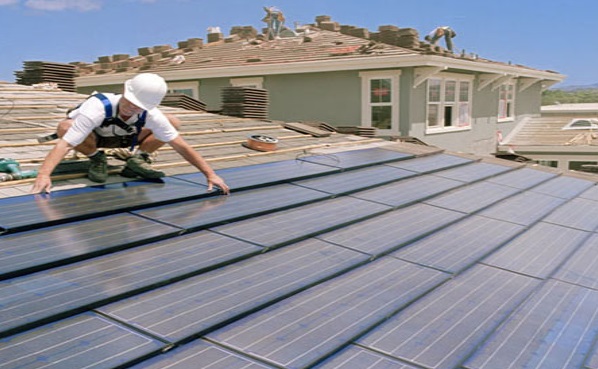
Over time, exposure to the elements can affect the longevity and performance of solar roofing. UV radiation, freeze-thaw cycles, and moisture can all play a role in gradual wear. However, most reputable manufacturers design their products to last 25 years or more, with warranties that cover weather-related degradation.
Advances in materials and installation methods continue to improve resilience. For those interested in the latest developments, check out these resources on latest solar roofing technology and innovations in solar roofing.
Maximizing Solar Roofing Efficiency in Any Climate
To get the most from your solar roof, consider these practical steps:
- Site Assessment: Have a professional evaluate your roof’s orientation, shading, and structural integrity. The solar roofing site assessment guide offers a thorough overview.
- Regular Cleaning: Keep panels free of debris, leaves, and snow to maximize sunlight absorption.
- Monitor Output: Use monitoring tools to track system performance and identify issues early.
- Schedule Maintenance: Annual inspections help detect and address weather-related wear before it becomes a problem.
- Stay Informed: Keep up with solar roofing future trends to benefit from new technologies and best practices.
Frequently Asked Questions
How do storms and hail affect solar roofing?
Most solar roofing products are engineered to withstand hail and high winds. The tempered glass or polymer surfaces are impact-resistant, but after severe weather, it’s important to inspect for visible damage and consult your installer if you notice any issues.
Does snow reduce the efficiency of solar roofs?
Snow can temporarily block sunlight, reducing output. However, panels are typically installed at an angle to encourage snow to slide off. Any remaining snow can be gently removed with a specialized brush to restore performance.
Will solar roofing work in cloudy or rainy climates?
Yes, solar roofing still generates electricity on cloudy or rainy days, though at reduced efficiency. Modern systems are designed to produce energy even in less-than-ideal conditions, making them suitable for a wide range of climates.
How does extreme heat affect solar roof performance?
High temperatures can slightly reduce the efficiency of photovoltaic materials. While output may dip during heatwaves, overall annual production remains strong in sunny regions.
Is maintenance required for solar roofing in harsh weather?
Regular cleaning and periodic inspections are recommended, especially after storms or in areas with heavy pollen or dust. This helps maintain optimal performance and extends the lifespan of your system.