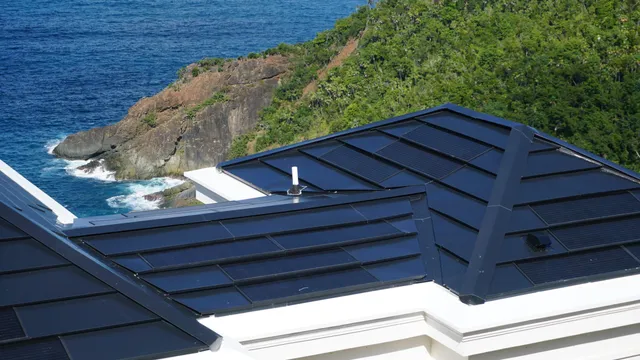
Homeowners and businesses are increasingly turning to solar roofing as a way to reduce energy bills and increase property value. As the cost of traditional electricity rises and concerns about sustainability grow, the appeal of generating your own clean energy from your roof is stronger than ever. But what kind of savings can you realistically anticipate from a solar roof, and what factors influence the results?
This article breaks down the main drivers of solar roofing energy savings, how to estimate your potential return, and what to consider before making the switch. If you’re interested in the broader landscape, you may also want to review solar roofing market trends for a deeper understanding of industry growth and adoption.
Understanding How Solar Roofs Deliver Savings
The main benefit of installing a solar roof is the ability to generate electricity directly from sunlight, offsetting the amount you need to buy from your utility. Over time, this can lead to significant reductions in monthly energy costs. The actual amount you save depends on several factors:
- Local electricity rates: Higher rates mean greater potential savings.
- Solar resource: The more sunlight your roof receives, the more energy your system can produce.
- System size and efficiency: Larger and more efficient systems generate more power.
- Roof orientation and shading: South-facing, unshaded roofs yield the best results.
- Incentives and net metering: Local policies can increase your return by crediting you for excess power sent to the grid.
Comparing Solar Roofing Technologies and Their Impact on Savings
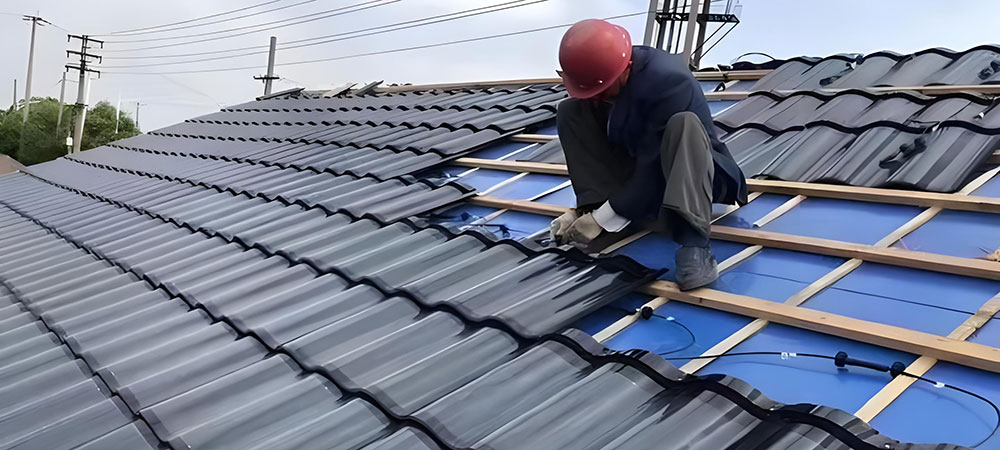
There are two main types of solar roofing: traditional solar panels mounted on top of your roof, and integrated solar shingles or tiles that replace standard roofing materials. Both options can deliver strong energy savings, but there are differences in cost, aesthetics, and performance.
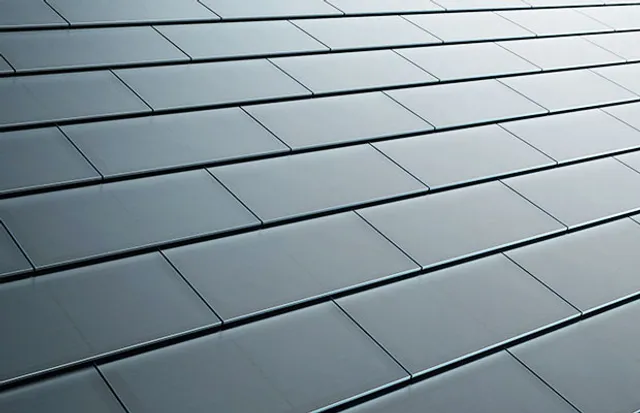
Integrated solar shingles are designed to blend seamlessly with your roof, offering a sleek appearance. However, they may be less efficient per square foot than conventional panels. For a detailed comparison, see this guide to solar roof tiles versus solar panels.
Estimating Your Potential Energy Bill Reductions
To get a sense of your possible savings, start by looking at your current electricity usage and rates. Most solar installers will provide a customized estimate based on your location, roof size, and energy needs. Here’s a simplified example:
- Average U.S. household uses about 10,500 kWh per year.
- With a solar roof covering most of your usage, you could offset 70–100% of your annual bill.
- At an average rate of $0.16 per kWh, that’s $1,680 in yearly savings if you offset your full usage.
Keep in mind, actual results vary. Factors like weather, roof angle, and system maintenance all play a role. For more on how site conditions affect performance, check out this solar roofing site assessment guide.
Long-Term Financial Benefits of Solar Roofs
Beyond immediate utility bill reductions, solar roofing offers several longer-term financial advantages:
- Protection from rising energy costs: By generating your own power, you’re less affected by future rate hikes.
- Increased property value: Homes with solar roofs often sell for more and attract buyers seeking energy efficiency.
- Potential tax credits and incentives: Federal, state, and local programs can reduce upfront costs and improve your return on investment.
- Low maintenance costs: Most systems require minimal upkeep, especially with regular cleaning and monitoring.
Key Factors That Influence Your Solar Savings
While the promise of lower energy bills is attractive, your actual results depend on a mix of technical and local factors. Here are some of the most important:
- Roof suitability: Not all roofs are ideal for solar. The pitch, orientation, and shading from trees or nearby buildings can reduce output. Learn more about new developments in latest solar roofing technology that may improve efficiency even on less-than-perfect roofs.
- System quality and installation: High-quality materials and professional installation ensure your system performs at its best and lasts for decades.
- Local incentives: Some regions offer generous rebates, tax credits, or net metering programs that can dramatically increase your savings.
- Maintenance: Keeping panels clean and free of debris helps maintain peak performance. Investing in the right cleaning tools can make this task easier and protect your investment.
Maximizing Your Return on a Solar Roof Investment
To get the most out of your solar roofing system, consider these practical tips:
- Work with reputable installers who can design a system tailored to your needs.
- Take advantage of available incentives and financing options.
- Monitor your system’s performance regularly to catch issues early.
- Keep your roof and solar modules clean for optimal efficiency.
- Stay informed about innovations in solar roofing that could further boost your savings or add value in the future.
Frequently Asked Questions
How much can I save each month with a solar roof?
The amount varies based on your location, system size, and electricity usage. Many homeowners see reductions of 50–100% on their monthly utility bills, especially in areas with high electricity rates and good sunlight exposure.
Are there any hidden costs to solar roofing?
Most costs are upfront, including equipment and installation. Ongoing expenses are minimal, typically limited to occasional cleaning and inverter replacement after 10–15 years. Always review your installer’s warranty and maintenance recommendations.
Will a solar roof increase my home’s resale value?
Yes, studies show that homes with solar energy systems often sell for more than comparable non-solar homes. Buyers value the prospect of lower energy bills and environmental benefits.
How do I know if my roof is suitable for solar?
A professional site assessment will evaluate your roof’s orientation, shading, and structural integrity. For more details, refer to the solar roofing site assessment guide.
Conclusion
Investing in solar roofing can offer substantial energy savings, protect against rising utility costs, and add value to your property. The actual benefits depend on your unique situation, but with the right system and proper maintenance, the long-term financial and environmental rewards are clear. Stay up to date with solar roofing future trends to ensure you’re making the most informed decisions for your home or business.