Understanding how well solar roofs convert sunlight into usable energy is essential for anyone considering this technology. With more homeowners and businesses turning to solar solutions, knowing what affects performance can help you make smarter decisions about your investment. This article breaks down the basics of solar roofing efficiency explained in straightforward language, highlighting the main factors that influence how much energy your roof can generate and how to maximize its output.
As solar roofing becomes more popular, it’s important to stay updated on the latest advancements and market shifts. For a deeper dive into industry developments, check out the solar roofing market trends that are shaping the future of this technology.
What Does Solar Roof Efficiency Really Mean?
When people talk about how effective a solar roof is, they’re referring to the percentage of sunlight that the system can turn into electricity. For example, if a solar shingle or tile receives 100 watts of sunlight and produces 20 watts of electricity, its efficiency is 20%. The higher the percentage, the more energy you get from the same amount of sunlight.
Efficiency is influenced by the type of solar cells used, the quality of installation, and even the angle and direction of your roof. While traditional solar panels often reach efficiencies between 15% and 22%, integrated solar roofing products—like solar shingles—typically range from 14% to 18%. Although these numbers may seem small, even a few percentage points can make a noticeable difference in your energy savings over time.
Key Factors That Impact Solar Roofing Performance
Several elements determine how much electricity your solar roof can generate. Here’s a closer look at the most significant contributors:
- Type of Solar Cell: Monocrystalline cells are generally more efficient than polycrystalline or thin-film options. The material and manufacturing process directly affect output.
- Roof Orientation and Tilt: South-facing roofs with an optimal tilt angle receive the most sunlight throughout the day, maximizing energy production.
- Shading: Trees, chimneys, or nearby buildings can cast shadows that reduce the amount of sunlight hitting your roof, lowering overall efficiency.
- Temperature: High temperatures can actually decrease the efficiency of solar cells. Most are tested at 25°C (77°F), but real-world conditions often vary.
- Cleanliness: Dirt, dust, and debris can block sunlight. Regular cleaning helps maintain peak performance.
- Age and Degradation: Over time, all solar products experience a slight drop in efficiency, usually around 0.5% per year.
Comparing Solar Shingles and Traditional Panels
Homeowners often wonder whether to choose integrated solar roofing or conventional panels. While both technologies harness the sun’s energy, there are some important differences in how they perform.
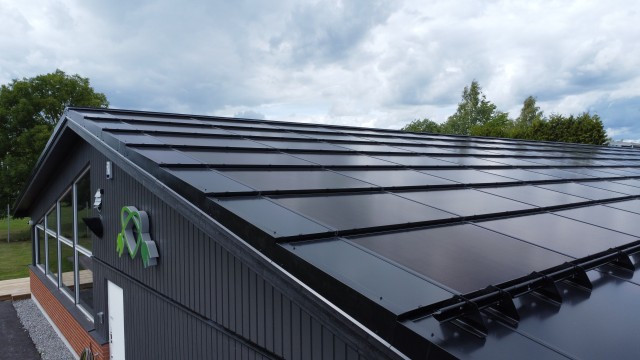
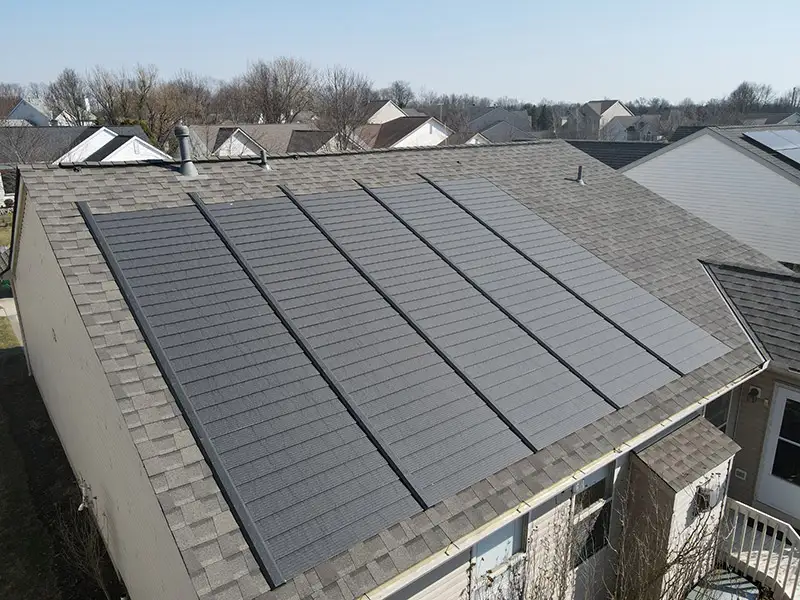
Traditional panels are usually mounted above the roof and can be adjusted for optimal angle and orientation. This flexibility often means higher efficiency and output. On the other hand, solar shingles or tiles are designed to blend in with your roof, offering a more seamless look but sometimes at the cost of slightly lower efficiency.
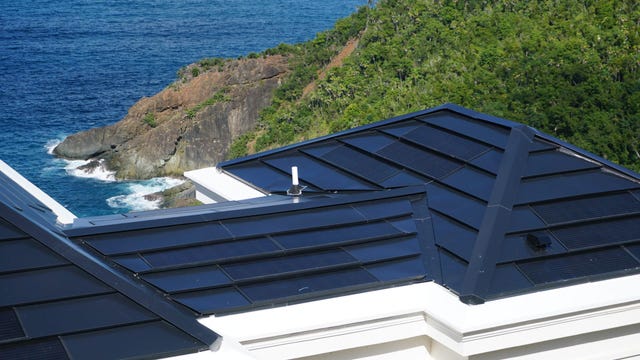
For a detailed comparison between these two options, you can read this guide to solar roof tiles versus solar panels from an industry expert.
How to Maximize the Output of Your Solar Roof
Getting the most from your solar roof involves more than just choosing the right product. Here are some practical steps you can take to boost performance:
- Regular Maintenance: Keep your solar shingles or panels clean and free from debris. A simple rinse with water or a gentle brush can help maintain efficiency.
- Monitor System Performance: Use monitoring tools or apps provided by your installer to track energy production and spot any issues early.
- Trim Overhanging Trees: Reducing shade can have a significant impact on how much sunlight your roof receives.
- Professional Inspections: Schedule periodic check-ups to ensure all components are functioning correctly and to address any wear and tear.
If you’re planning a new installation or upgrade, consider reading about the latest solar roofing technology to ensure you’re choosing the most efficient and up-to-date solution for your needs.
Understanding Energy Payback and Long-Term Value
One common question is how long it takes for a solar roof to generate enough electricity to offset its own manufacturing and installation energy costs. This period, known as the “energy payback time,” typically ranges from 2 to 4 years for most modern systems. After this point, your solar roof continues to produce clean energy with minimal environmental impact.
Over the lifespan of a solar roof—often 25 years or more—the total energy produced far exceeds the initial investment. This long-term value is a key reason why more property owners are choosing solar solutions, especially as utility rates rise and incentives become available.
Common Myths About Solar Roofing Efficiency
There are several misconceptions about how well solar roofs work. Let’s clear up a few:
-
Myth: Solar roofs only work in sunny climates.
Reality: While more sunlight does increase output, solar systems can still generate significant energy in cloudy or cooler regions. -
Myth: Efficiency is the only factor that matters.
Reality: System size, roof area, and local incentives also play major roles in your overall savings. -
Myth: All solar roofs are the same.
Reality: There are many different technologies and installation methods, each with unique strengths and weaknesses.
Frequently Asked Questions
How does solar roof efficiency compare to traditional panels?
Integrated solar roofing products, such as shingles and tiles, generally have slightly lower efficiency than traditional panels. However, the difference is narrowing as technology improves. Panels are often more adjustable for optimal sunlight, but modern solar shingles offer a balance of aesthetics and performance.
What maintenance is required to keep a solar roof performing well?
Routine cleaning to remove dust, leaves, and debris is important. It’s also a good idea to schedule professional inspections every few years to check for any issues and ensure all components are operating correctly.
Can I improve my solar roof’s output after installation?
Yes. Trimming trees to reduce shade, keeping the surface clean, and monitoring your system for any performance drops can all help increase energy production. Upgrading to newer technologies or adding more modules may also be possible, depending on your system.
Conclusion: Making the Most of Your Solar Investment
Understanding the basics of solar roofing efficiency explained helps you make informed choices about your home or business energy solutions. By considering factors like cell type, installation quality, and ongoing maintenance, you can maximize the benefits of your solar roof for years to come. For those interested in the future direction of this technology, explore solar roofing future trends and stay ahead of the curve.