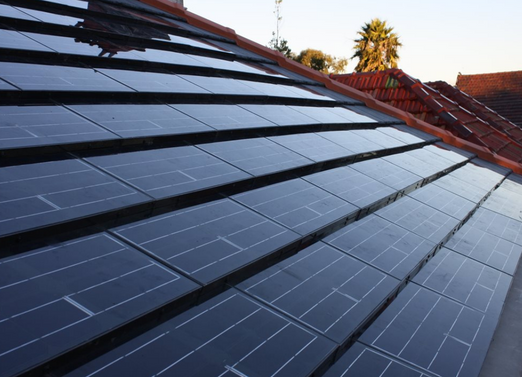
As more homeowners and businesses turn to solar technology for energy savings and sustainability, understanding solar roofing permits and regulations has become essential. Navigating the approval process, local codes, and compliance requirements can be complex, but it’s a critical step to ensure your solar installation is legal, safe, and eligible for incentives. This article provides a comprehensive overview of what you need to know before starting your solar roofing project, including the types of permits required, common regulatory hurdles, and practical steps to streamline the process.
If you’re still weighing your options, you may want to review a complete overview of solar roofing pros and cons to help inform your decision.
Understanding Local Solar Roofing Requirements
Every municipality or county has its own set of rules regarding solar installations. These local codes are designed to ensure that solar systems are safely integrated with existing structures and electrical grids. Before installing solar shingles or panels, you’ll need to check with your city or county’s building department for their specific solar roofing permits and regulations.
Requirements typically address:
- Structural integrity of your roof
- Electrical system compatibility
- Fire safety standards
- Setback distances from roof edges or property lines
- Visibility and aesthetic guidelines (especially in historic districts or HOAs)
Some regions also require approval from local utility companies, especially if you plan to connect your system to the grid for net metering.
Types of Permits Needed for Solar Roofing
Most solar roofing projects require at least two main types of permits:
- Building Permit: Ensures that the solar installation meets local construction and safety codes. The building department will review your plans to confirm your roof can support the added weight and that the installation won’t compromise the structure.
- Electrical Permit: Required for any work involving wiring or connections to your home’s electrical system. This permit ensures that the system will be safely integrated and inspected by a licensed electrician.
In some areas, you may also need a planning or zoning permit, especially if your property is in a designated historic or environmentally sensitive area. Homeowners associations (HOAs) can have additional requirements, so always check their guidelines before proceeding.
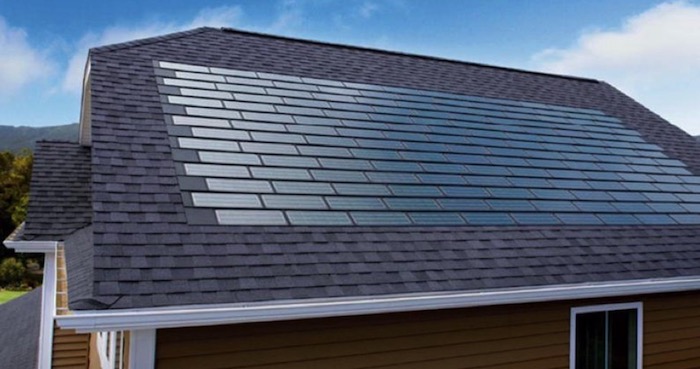
Common Regulatory Challenges and How to Address Them
Navigating the permitting process can present several challenges. Here are some of the most common issues and tips for overcoming them:
- Delays in Permit Approval: Processing times can vary widely depending on your location and the complexity of your project. To avoid delays, ensure your application is complete and includes all required documentation, such as structural engineering reports and electrical diagrams.
- HOA Restrictions: Some homeowners associations have strict rules about the appearance and placement of solar panels or shingles. Review your HOA’s covenants and communicate early to address any concerns.
- Historic Preservation Rules: If your property is in a historic district, you may face additional scrutiny regarding the visual impact of your solar installation. Work with your local historic commission to find solutions that meet both energy and preservation goals.
- Utility Interconnection: Connecting your system to the grid often requires a separate approval process with your utility provider. Submit your application as early as possible and be prepared to provide technical details about your system.
For a deeper look at the advantages of solar roof tiles and how they can fit into modern homes, explore our dedicated guide.
Steps to Obtain Solar Roofing Approval
While the exact process varies by location, most solar roofing projects follow a similar sequence:
- Research Local Codes: Start by contacting your city or county building department to learn about their specific requirements for solar installations.
- Prepare Documentation: Work with your installer to gather all necessary documents, including site plans, structural calculations, and product specifications.
- Submit Permit Applications: File your building and electrical permit applications with the appropriate departments. Some jurisdictions offer online portals for faster processing.
- Schedule Inspections: Once your permits are approved and the system is installed, schedule inspections to verify compliance with all codes and safety standards.
- Obtain Final Approval: After passing inspections, you’ll receive a final sign-off, allowing you to activate your solar roofing system.
Many professional installers will handle much of this process on your behalf, but it’s important to stay informed and involved to ensure everything proceeds smoothly.
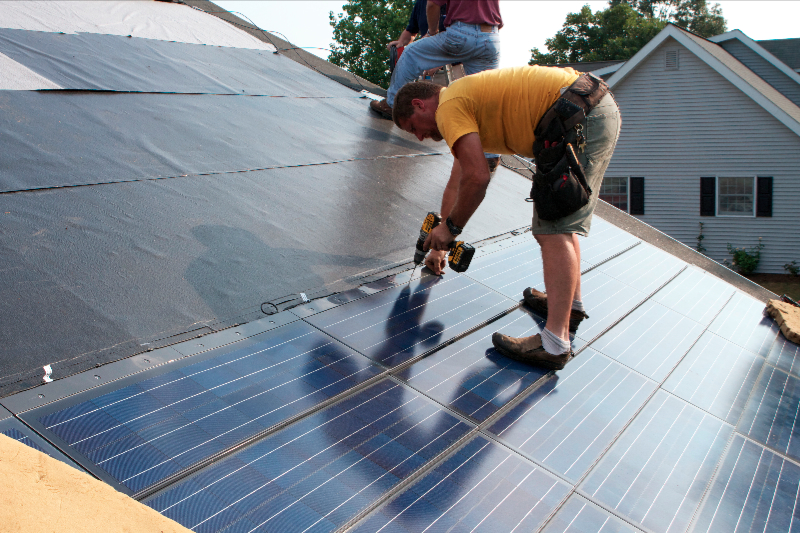
Key Considerations for Compliance and Incentives
Staying compliant with all solar roofing permits and regulations is not just about legality—it’s also crucial for accessing financial incentives and rebates. Many state and federal programs require proof of proper permitting and inspection before you can claim tax credits or utility rebates.
Some important points to keep in mind:
- Documentation: Keep copies of all permits, inspection reports, and utility approvals. You may need these for warranty claims or future property sales.
- Insurance: Notify your homeowner’s insurance provider about your solar installation. Some insurers require proof of code compliance to maintain coverage.
- Maintenance: Regularly inspect and clean your solar roof to ensure it continues to meet safety standards. For more on upkeep, see our tips on potential disadvantages of solar roofing.
For a global perspective on solar tile systems and their regulatory landscape, see this in-depth guide to solar tiles and their benefits.
Frequently Asked Questions
Do I Need a Permit for Every Type of Solar Roofing?
Yes, most jurisdictions require permits for both traditional solar panels and integrated solar shingles or tiles. The specific requirements may differ based on the type of system and your local codes, but permits are almost always mandatory to ensure safety and code compliance.
How Long Does the Permitting Process Take?
The timeline varies depending on your location and the complexity of your project. In some areas, permits can be approved in a few days, while others may take several weeks. Working with an experienced installer and submitting complete documentation can help speed up the process.
Can I Install Solar Roofing Myself?
While DIY installation is possible, most areas require licensed professionals to handle electrical work and structural modifications. Even if you have construction experience, hiring a certified installer ensures your system meets all solar roofing permits and regulations and passes required inspections.
Conclusion
Successfully installing a solar roof involves more than just choosing the right technology—it requires careful attention to local codes, permit requirements, and regulatory processes. By understanding the steps involved and preparing thoroughly, you can ensure your solar project is safe, compliant, and positioned to deliver long-term benefits. For further reading, compare solar roof vs traditional solar panels to find the best fit for your needs.