Keeping your roof in top condition is essential for safeguarding your home from the elements and avoiding costly repairs. Regular care and attention to your shingles can extend the life of your roof, improve curb appeal, and prevent leaks or structural damage. In this guide, you’ll find practical roof shingle maintenance tips that help you spot issues early and keep your home safe year-round.
Whether you have asphalt, wood, or composite shingles, understanding the right maintenance routine is key. Homeowners often overlook small problems until they become major headaches. By learning the basics of shingle care and knowing when to seek professional help, you can save money and stress in the long run.
Before diving into the step-by-step advice, it’s helpful to understand the costs involved with roof care. If you’re considering a larger project or want to budget for future repairs, check out this asphalt shingle roof cost guide for a detailed breakdown of expenses.
Why Regular Shingle Maintenance Matters
Routine upkeep is the most effective way to prevent leaks, mold growth, and premature aging of your roof. Shingles are your home’s first line of defense against rain, snow, and UV rays. Over time, even the best materials can deteriorate if neglected. By following a consistent maintenance schedule, you can:
- Extend the lifespan of your roofing system
- Reduce the risk of water intrusion and interior damage
- Maintain your home’s value and appearance
- Catch minor issues before they require expensive repairs
Essential Roof Shingle Maintenance Tips for Homeowners
Proper care doesn’t have to be complicated. Here are the most important steps to keep your shingles in great shape:
1. Inspect Your Roof Regularly
Perform a visual inspection at least twice a year—ideally in spring and fall. Look for:
- Missing, cracked, or curling shingles
- Granule loss, which appears as bald spots or excessive granules in gutters
- Dark streaks or algae growth
- Damaged flashing around chimneys, vents, and skylights
Use binoculars from the ground for safety, or hire a professional for a closer look if your roof is steep or high.
2. Keep Gutters and Downspouts Clean
Clogged gutters can cause water to back up under shingles, leading to rot and leaks. Clean gutters and downspouts at least twice a year, and after heavy storms. Make sure water flows away from your foundation to prevent structural issues.
3. Remove Debris and Overhanging Branches
Leaves, twigs, and moss can trap moisture on your roof, accelerating shingle decay. Trim back tree branches that hang over your home and gently remove debris after storms. Avoid using pressure washers, which can damage shingles and void warranties.
4. Address Moss and Algae Growth
Green or black streaks are often signs of algae or moss. These organisms retain moisture and can break down roofing materials. To remove them, use a gentle solution of water and mild detergent, or a commercial roof cleaner. Avoid harsh chemicals or scrubbing, which can harm the shingles.
For more information on the materials commonly used in residential roofing, see this overview of asphalt shingles.
5. Repair Damaged Shingles Promptly
If you notice cracked, loose, or missing shingles, repair or replace them as soon as possible. Delaying fixes can allow water to seep beneath the surface, causing leaks and structural problems. Many minor repairs can be handled with roofing cement or sealant, but extensive damage may require professional attention.
Advanced Strategies for Long-Term Shingle Care
Professional Inspections and Preventive Maintenance
While DIY checks are valuable, a professional roofer can spot hidden issues and recommend preventive measures. Schedule a professional inspection every few years, especially after severe weather or if your roof is nearing the end of its expected lifespan. Experts can also advise on ventilation improvements, which help prevent heat and moisture buildup under the shingles.
Sealant Application and Leak Prevention
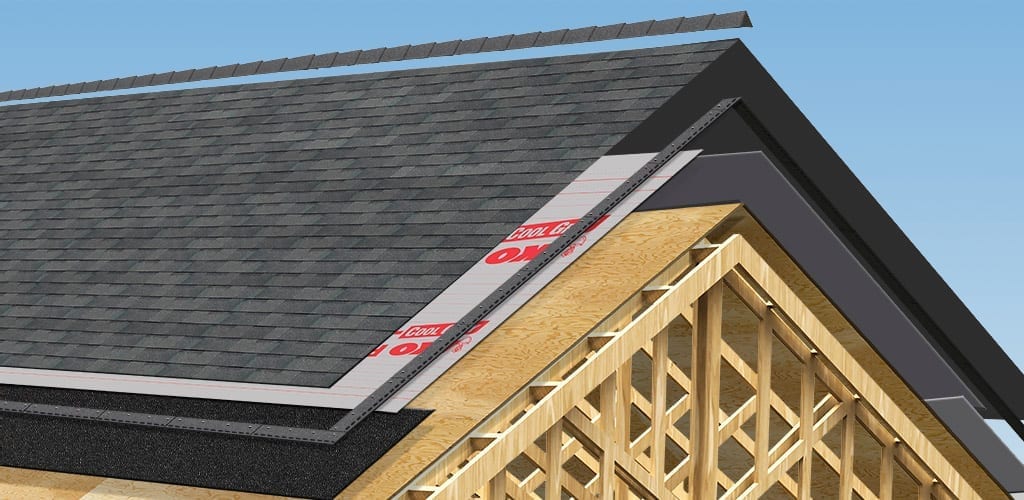
Applying a quality sealant to vulnerable areas such as flashing, vents, and ridge caps can help prevent leaks. Always use products designed for roofing and follow manufacturer instructions. For DIYers, it’s important to work on dry days and avoid over-applying sealant, which can trap moisture.
Budgeting for Repairs and Replacement
Even with diligent care, all roofs eventually need replacement. Planning ahead can help you avoid financial surprises. For tips on estimating costs and saving money, review this roof replacement pricing guide for practical advice on budgeting and contractor selection.
Common Mistakes to Avoid With Shingle Maintenance
- Ignoring minor damage until it becomes a major problem
- Walking on the roof unnecessarily, which can dislodge or crack shingles
- Using harsh cleaning methods or chemicals
- Neglecting attic ventilation, leading to heat and moisture buildup
- Forgetting to check flashing and roof penetrations
By steering clear of these pitfalls, you can maximize the effectiveness of your roof shingle maintenance routine and protect your investment.
FAQ: Roof Shingle Care and Maintenance
How often should I inspect my roof shingles?
It’s best to inspect your shingles at least twice a year, ideally in the spring and fall. Additional checks after major storms are also recommended to catch storm-related damage early.
What are the signs that my shingles need replacing?
Look for curling, cracking, missing shingles, or significant granule loss. If your roof is over 20 years old or you notice persistent leaks, it’s time to consider a full replacement.
Can I repair damaged shingles myself?
Minor repairs, such as sealing small cracks or replacing a few shingles, can often be handled by homeowners with the right tools and safety precautions. For extensive damage or steep roofs, it’s safer to hire a professional.
What is the best way to remove moss or algae from my roof?
Use a gentle solution of water and mild detergent, or a commercial roof cleaner designed for shingles. Avoid pressure washing or harsh chemicals, as these can damage the roofing material.
How can I estimate the cost of a new shingle roof?
Costs vary based on materials, labor, and roof size. For a detailed breakdown, see this asphalt roof estimate resource to help you plan your project.
Maintaining your shingles is a smart investment in your home’s longevity and comfort. With these practical tips and a little regular attention, you can keep your roof strong and your home protected for years to come.