The transition to solar roofing has become increasingly attractive as homeowners and businesses look for ways to reduce energy costs and support sustainability. However, the initial investment can be significant. To encourage adoption, a range of solar roofing incentives and rebates are available at federal, state, and local levels. Understanding these financial benefits can make a substantial difference in the overall cost and return on investment for solar roof installations.
This article provides a comprehensive overview of the most important financial incentives, eligibility requirements, and application processes for those considering solar roofing. Whether you are exploring the solar roofing pros and cons or ready to invest, knowing how to leverage available rebates and credits is essential.
Understanding Financial Support for Solar Roofs
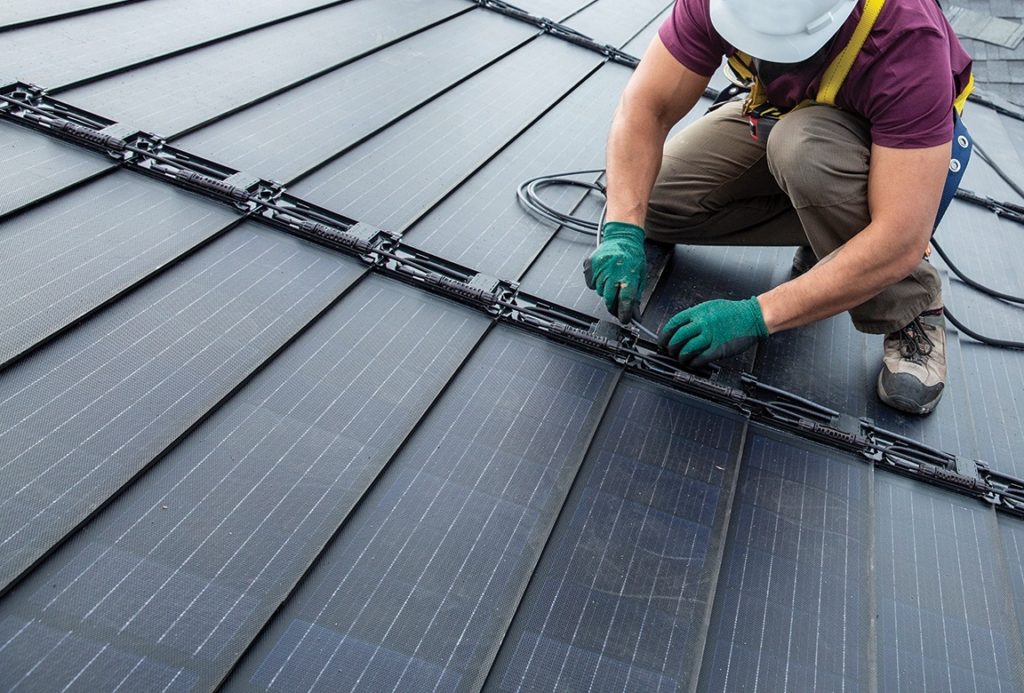
Financial support for solar roofing comes in many forms. The most common are tax credits, cash rebates, performance-based incentives, and property tax exemptions. These programs are designed to lower the upfront costs and improve the payback period for solar roof systems.
- Tax credits reduce your tax liability by a percentage of the installation cost.
- Rebates provide direct cash back after installation.
- Performance-based incentives pay you based on the amount of electricity your system generates.
- Property tax exemptions prevent your property taxes from increasing due to the added value of a solar roof.
Federal Tax Credits for Solar Roofing Projects
The most significant nationwide incentive is the Federal Investment Tax Credit (ITC). This program allows homeowners and businesses to deduct a percentage of their solar roofing installation costs from their federal taxes. As of 2024, the ITC covers 30% of eligible expenses for both residential and commercial systems.
To qualify, the solar roof must be installed on a property you own and use as a residence or business. The credit applies to both the materials and labor costs, including solar shingles, tiles, and integrated photovoltaic systems. Keep in mind that the ITC is subject to change, so it’s important to check the current rates and deadlines before planning your project.
State and Local Solar Roofing Incentives and Rebates
In addition to federal support, many states and municipalities offer their own solar roofing incentives and rebates. These can include cash rebates, state tax credits, and even sales tax exemptions on solar equipment. The availability and value of these programs vary widely depending on your location.
For example, some states provide upfront rebates based on the size of your solar roof, while others offer ongoing payments for the electricity your system generates. Local governments may also provide additional incentives, such as expedited permitting or reduced fees for solar projects.

Finding Local Programs
The best way to discover state and local offers is to consult your state’s energy office or visit the Database of State Incentives for Renewables & Efficiency (DSIRE). Utility companies often have their own rebate programs as well, so it’s a good idea to contact your provider to ask about current offers.
For a deeper look at how solar roof tiles can benefit modern homes, see our article on the advantages of solar roof tiles.
Eligibility and Application Process
Each incentive program has its own eligibility criteria. Generally, you must own the property and the solar system, and the installation must meet specific technical standards. Some programs require using certified installers or approved equipment.
- Check the requirements for each incentive you plan to claim.
- Gather documentation, such as proof of purchase, installation contracts, and system specifications.
- Submit applications within the specified deadlines. Some rebates are available on a first-come, first-served basis.
- Keep records for tax filing and future reference.
If you’re comparing different solar solutions, our guide on solar roof vs traditional solar panels can help you decide which option best fits your needs and budget.
Other Ways to Save: Performance and Property Tax Benefits
Beyond direct rebates and credits, some states offer performance-based incentives (PBIs). These pay you based on the actual energy your solar roof produces, typically over a set period. PBIs can provide a steady income stream and further reduce your payback time.
Many jurisdictions also offer property tax exemptions for solar installations. This means the added value of your solar roof won’t increase your property taxes, making the investment even more attractive.
Combining Multiple Incentives
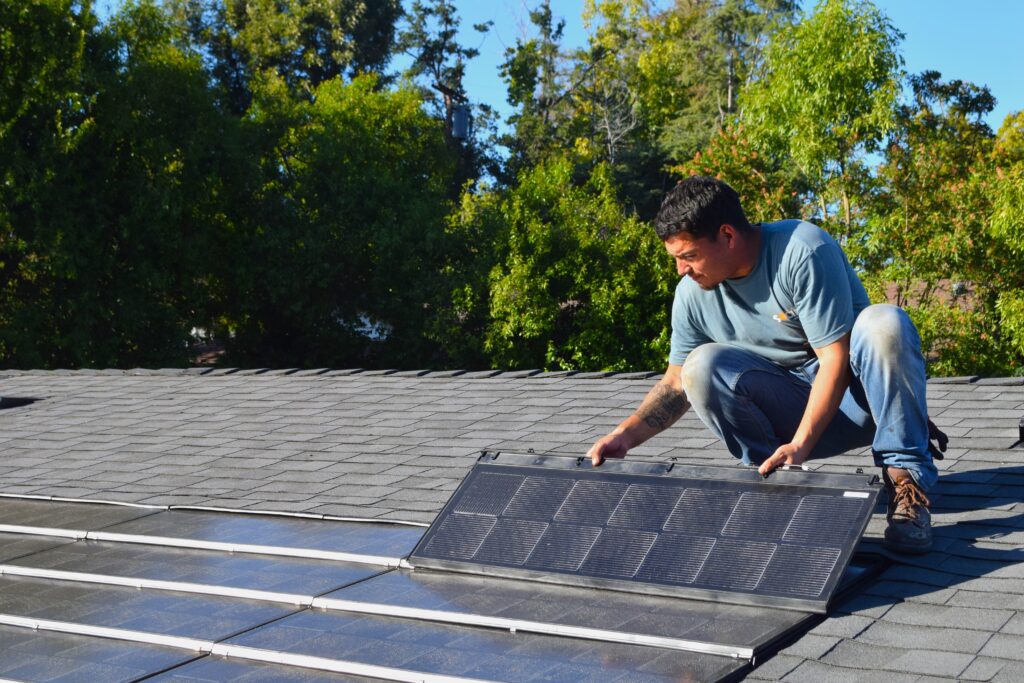
In most cases, you can combine federal, state, and local incentives to maximize your savings. For example, you might claim the federal tax credit, a state rebate, and a utility performance payment for the same project. However, some programs may reduce the value of others, so review the terms carefully.
For a balanced perspective on the potential drawbacks, see our resource on the disadvantages of solar roofing.
Tips for Maximizing Your Solar Roofing Rebates
- Start researching incentives before you begin your project to ensure eligibility.
- Work with a qualified installer who is familiar with local and national programs.
- Keep detailed records of all expenses and communications.
- Monitor deadlines closely, as some rebates have limited funding or expiration dates.
- Consult with a tax professional to ensure you claim all available credits correctly.
For more insights on the pros and cons of solar roof tiles, you can also read this detailed analysis of solar roof tile advantages and disadvantages.
Frequently Asked Questions
What is the federal tax credit for solar roofing?
The federal tax credit, known as the Investment Tax Credit (ITC), allows you to deduct 30% of the cost of installing a solar roof from your federal taxes. This applies to both residential and commercial properties and covers materials and labor.
Can I combine state and federal incentives for my solar roof?
Yes, in most cases you can combine multiple incentives, including federal tax credits, state rebates, and utility programs. However, some state programs may reduce the eligible amount for the federal credit, so review each program’s rules.
How do I find out which local rebates are available?
Start by checking your state energy office and utility provider’s website. The DSIRE database is also a reliable resource for up-to-date information on available programs in your area.
Are solar roofing incentives available for new construction?
Many incentives apply to both new construction and retrofits, but some programs have specific requirements. Always verify eligibility before starting your project.
Conclusion
Taking advantage of solar roofing incentives and rebates can significantly reduce the cost of installing a solar roof and speed up your return on investment. By researching available programs and understanding eligibility requirements, you can make the most of your solar project. For further reading on improving your home’s energy efficiency, consider our article on how attic insulation affects comfort in winter.