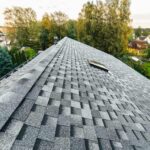
When it comes to improving the energy efficiency of your home, installing insulation in your roof is a crucial step. However, homeowners often face the decision of whether to tackle this task themselves or hire a professional. Each option has its own set of advantages and challenges, and understanding these can help you make an informed decision.
Before diving into the details, it’s essential to consider the latest trends in roofing technology. For instance, innovations in solar roofing systems are becoming increasingly popular, offering energy savings and environmental benefits. You can learn more about these advancements in our article on innovations in solar roofing.
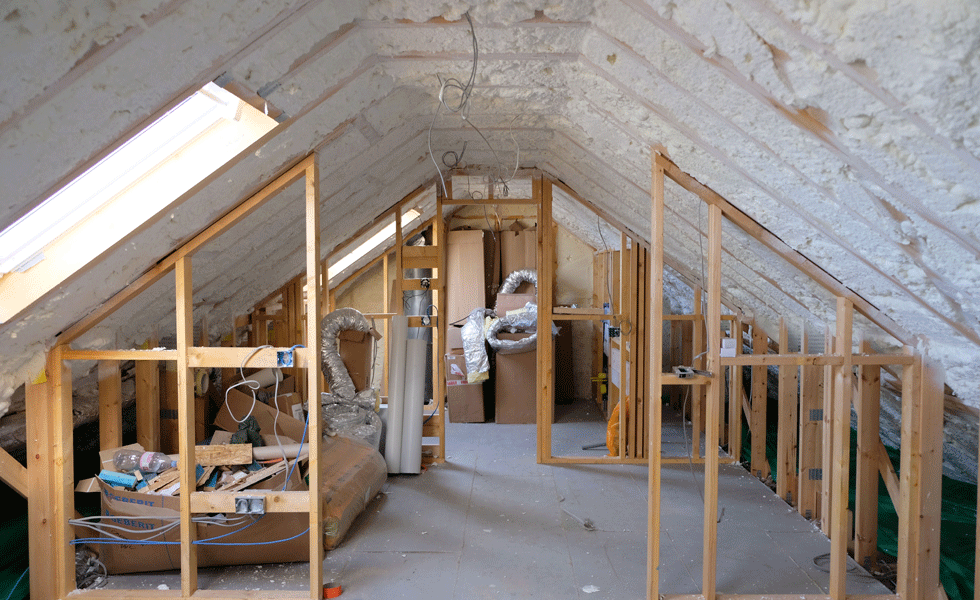
Understanding DIY Roof Insulation
Taking the do-it-yourself route for roof insulation can be appealing for those who enjoy hands-on projects and want to save on labor costs. Here are some key points to consider:
- Cost-Effectiveness: DIY projects can be more affordable since you only need to purchase materials.
- Flexibility: You can work at your own pace and schedule the project around your availability.
- Learning Experience: Completing a DIY project can be rewarding and educational, providing valuable skills for future home improvements.
However, it’s important to weigh these benefits against potential drawbacks, such as the risk of improper installation, which can lead to inefficiencies and increased energy costs.
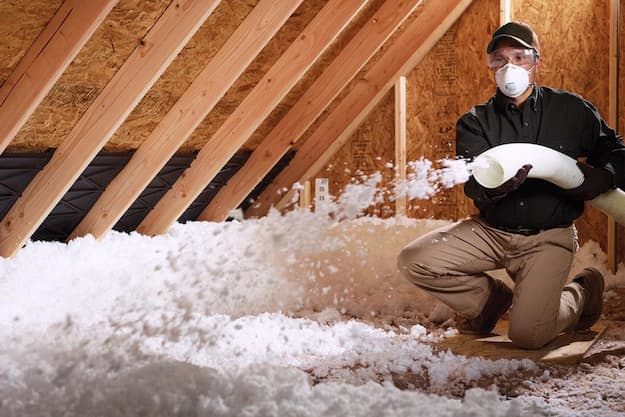
Benefits of Hiring a Professional
Opting for professional installation can provide peace of mind and ensure that the job is done correctly. Here are some reasons to consider hiring a contractor:
- Expertise: Professionals have the experience and knowledge to install insulation effectively and efficiently.
- Quality Assurance: Hiring a professional often comes with a guarantee of workmanship, reducing the risk of future issues.
- Time-Saving: A professional team can complete the project more quickly than a DIY approach, minimizing disruption to your daily life.
While hiring a professional may involve higher upfront costs, the long-term benefits of proper installation can outweigh these expenses.

Factors to Consider When Choosing
Deciding between a DIY project and hiring a professional involves evaluating several factors:
- Budget: Assess your financial situation to determine which option is more feasible.
- Time: Consider how much time you can realistically dedicate to the project.
- Complexity: Evaluate the complexity of your roof’s structure and the type of insulation required.
By carefully considering these factors, you can choose the option that best suits your needs and ensures optimal energy efficiency for your home.
FAQs About Roof Insulation
What Are the Most Common Types of Roof Insulation?
The most common types of roof insulation include fiberglass batts, spray foam, and cellulose. Each type has its own benefits and is suitable for different applications.
How Long Does Roof Insulation Last?
Roof insulation can last between 20 to 30 years, depending on the material and environmental conditions. Regular inspections can help maintain its effectiveness.
Can I Add Insulation to Existing Roofs?
Yes, it’s possible to add insulation to existing roofs. This process, known as retrofitting, can improve energy efficiency and reduce heating and cooling costs.