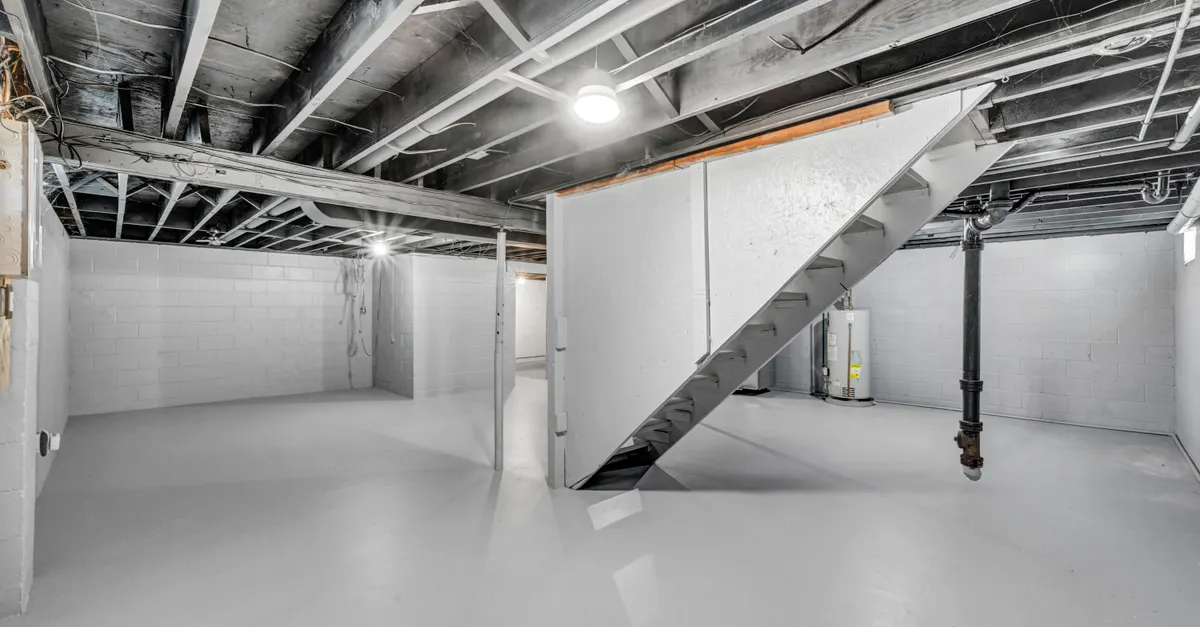
When it comes to insulating your basement walls, the right choice can make a world of difference. Not only does it help in maintaining a comfortable indoor environment, but it also significantly reduces energy bills. However, selecting the best insulation material isn’t always straightforward. With numerous options available, each boasting unique features and benefits, making an informed decision can be challenging. This guide aims to simplify your choice by comparing top insulation options, focusing on efficiency, cost, and suitability for commercial applications.
Insulation Options Reviews
1 BEEST FullStop Spray Foam Kit
Best For: Comprehensive DIY Projects
If you’re looking for a complete solution to tackle your insulation needs, this kit provides everything from spray cans to safety gear.

High R-value for excellent insulation
Complete kit with all necessary tools
Requires careful application to avoid waste
Why We Like It
This spray foam kit from BEEST is ideal for those who want a comprehensive DIY solution. With a high R-value of 8.24, it ensures excellent thermal insulation, making it perfect for sealing gaps and cracks in basement walls. The kit includes everything you need, from spray cans to safety gear, which simplifies the insulation process. However, the application requires precision to avoid wastage, which might be a consideration for first-time users.
- Class A surface-burning performance
- Includes 12 spray foam cans and safety gear
- Strong adhesion to various building materials
2 Houseables Radiant Barrier Insulation Roll
Best For: Versatile Application
This reflective insulation roll is perfect for those looking to insulate a variety of spaces, from basements to RVs.

Reflects 95% of radiant heat
Fire-rated and non-toxic
Limited stock availability
Why We Like It
The Houseables Radiant Barrier Insulation Roll is known for its versatility. Whether you’re insulating a basement, RV, or garage, this reflective foil foam provides excellent thermal protection by reflecting 95% of radiant heat. It’s fire-rated and non-toxic, making it a safe choice for various applications. However, due to its popularity, stock can be limited, so it’s wise to plan your purchase accordingly.
- 3 MM foam core for flexibility
- Suitable for multiple surfaces
- Easy to handle and install
3 Owens Corning R-13 Fiberglass Insulation
Best For: Traditional Insulation Needs
This fiberglass insulation is perfect for those who prefer a classic approach to insulating their basement walls.

Easy to install in standard wall cavities
Formaldehyde-free and soft to touch
May not suit non-standard wall sizes
Why We Like It
Owens Corning’s R-13 Fiberglass Insulation is a reliable choice for those who prefer traditional insulation methods. Its R-13 rating ensures effective thermal performance, making it suitable for maintaining comfortable temperatures in your basement. The insulation is formaldehyde-free, which adds a layer of safety for indoor air quality. However, it may not be ideal for non-standard wall sizes, so it’s best suited for typical residential applications.
- R-13 faced insulation for standard walls
- Helps control noise and maintain temperatures
- Soft to touch and easy to handle
4 Koncey Self-Adhesive Wallpaper Panels
Best For: Quick and Easy Installation
Perfect for those who want an easy-to-install insulation solution that also adds a decorative touch to their walls.
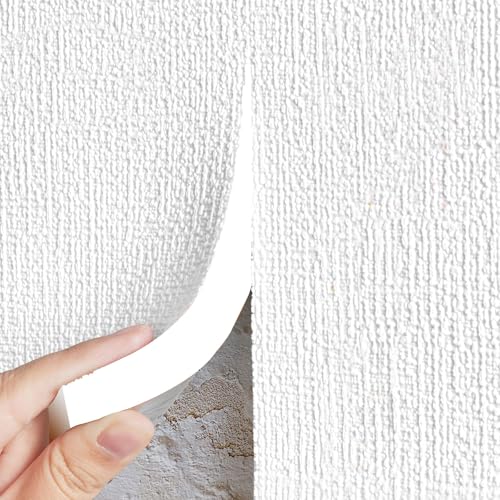
Easy peel-and-stick installation
Provides thermal insulation
Limited to smooth, flat surfaces
Why We Like It
The Koncey Self-Adhesive Wallpaper Panels are a fantastic choice for those who want to combine insulation with aesthetics. These panels are easy to install with a simple peel-and-stick method, making them perfect for quick renovations. They provide effective thermal insulation, helping to keep your space warm in winter and cool in summer. However, they are best suited for smooth, flat surfaces, which might limit their use in some areas.
- 6MM thick foam cushion
- Waterproof and moisture-proof
- Removable without damaging walls
5 Frost King Natural Cotton Insulation
Best For: Eco-Friendly Insulation
This natural cotton insulation is perfect for those looking for an environmentally friendly option that is safe and easy to use.
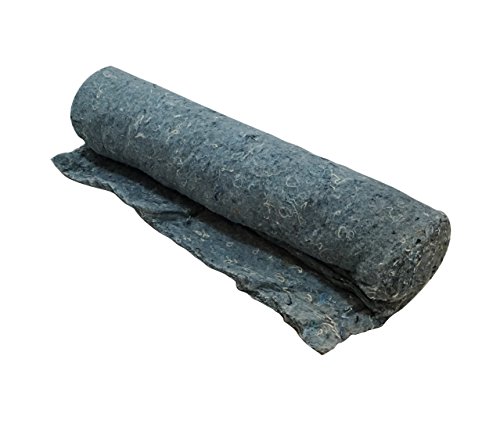
Eco-friendly and safe to handle
Good for noise dampening
Limited thermal insulation compared to other materials
Why We Like It
The Frost King Natural Cotton Insulation is an excellent choice for eco-conscious consumers. Made from natural cotton, it’s safe to handle without protective gear, making it ideal for DIY projects. It offers good noise dampening, which can be beneficial in multi-use spaces. However, its thermal insulation properties are not as high as some synthetic options, which might be a consideration depending on your specific needs.
- Safe alternative with no protective gear needed
- Easy to cut or rip to fit various applications
- Multi-purpose use for insulation and cushioning
How to Choose the Right Insulation
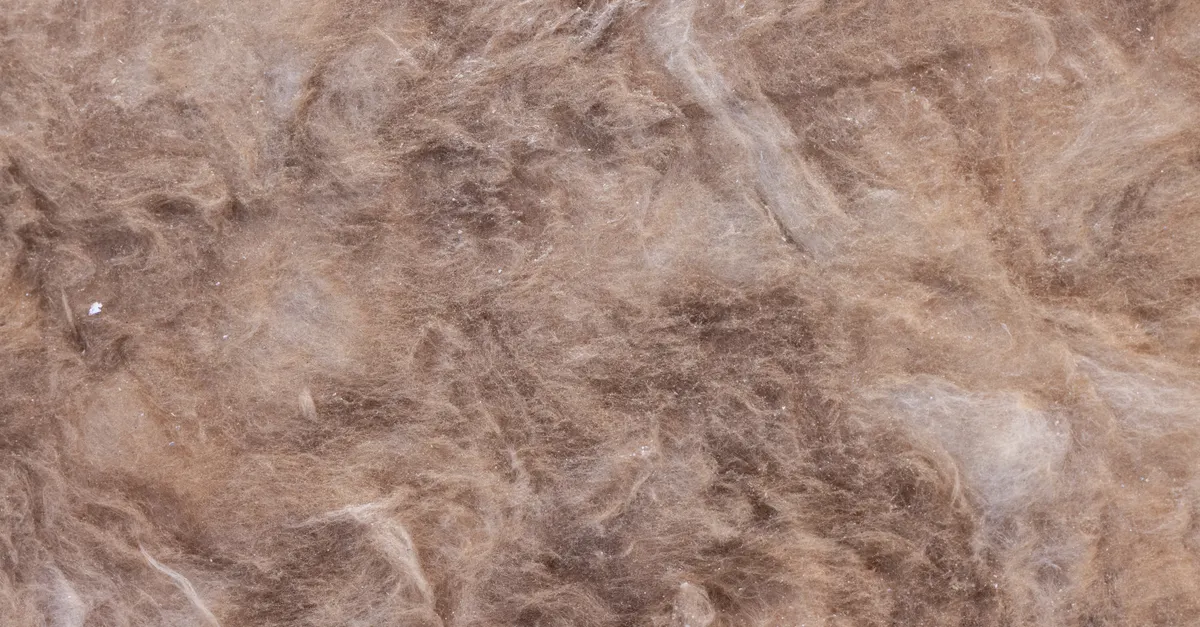
Understanding R-Value and Its Importance
R-value measures an insulation material’s resistance to heat flow, with higher values indicating better insulating properties. For basement walls, selecting an insulation with a suitable R-value is crucial to ensure energy efficiency and comfort. Consider the climate and specific needs of your building when choosing the R-value.
Cost Considerations
While upfront costs can vary significantly, it’s important to weigh these against long-term savings on energy bills. Materials like spray foam may have higher initial costs but offer superior insulation, potentially reducing heating and cooling expenses over time.
Installation Techniques
Different materials require different installation methods. Spray foam and rigid foam panels often need professional installation due to their complexity, while options like fiberglass rolls or self-adhesive panels can be more DIY-friendly. Always consider your skill level and the potential need for professional help.
Benefits of Insulating Basement Walls
Insulating your basement walls can significantly reduce heating and cooling bills, improve indoor comfort, and enhance the overall energy efficiency of your building. It also helps in maintaining a consistent temperature, which is particularly beneficial in commercial settings.
Common Challenges and Solutions
Moisture control is a common challenge when insulating basement walls. Proper sealing and choosing moisture-resistant materials are crucial to prevent mold and structural damage. In cases of complex installations, professional guidance is recommended to ensure safety and effectiveness.
Frequently Asked Questions
What is the best insulation for basement walls?
The best insulation depends on your specific needs, such as climate, budget, and whether you prefer DIY or professional installation. Spray foam and rigid foam panels are popular for their high R-values and moisture resistance.
How does insulation affect energy bills?
Proper insulation reduces the amount of energy needed to heat or cool a building, leading to lower energy bills. It helps maintain a stable indoor temperature, reducing the workload on HVAC systems.
Can I install insulation myself?
Some insulation types, like fiberglass rolls and self-adhesive panels, are suitable for DIY installation. However, more complex materials like spray foam may require professional installation to ensure safety and effectiveness.
Conclusion
Choosing the right insulation for your basement walls is crucial for energy efficiency and comfort. By understanding the different materials, their R-values, and installation methods, you can make an informed decision that suits your commercial needs. Always consider professional help for complex installations to ensure the best results.