For homeowners considering a switch to solar, one of the first questions is often about the timeline: how long does solar roof installation take? The answer depends on several factors, including the type of solar system, the complexity of your roof, local regulations, and the experience of your installation team. Understanding the typical process and what can affect the schedule helps set realistic expectations and ensures a smoother project from start to finish.
Before diving into the details, it’s helpful to compare different solar roofing options and their respective pros and cons. For a comprehensive look at the benefits and drawbacks, see our guide on solar roofing pros and cons.
Typical Timeline for Solar Roof Projects
The duration of a solar roof installation can range from a few days to several weeks. For most residential projects, the average time from contract signing to system activation is between four and eight weeks. However, the actual hands-on installation on your roof is usually much shorter—often just two to five days, depending on the system and site conditions.
- Pre-installation steps (site assessment, design, and permitting): 2–6 weeks
- Physical installation (mounting, wiring, and panel placement): 2–5 days
- Inspection and activation (utility and municipal approvals): 1–3 weeks
Each phase has its own timeline, and delays can occur if there are issues with permitting, supply chain, or weather.
Factors That Influence Solar Roof Installation Time
Several variables can impact how quickly your solar roof is installed. Here are the most significant factors:
- Roof complexity: Steep, multi-level, or unusually shaped roofs may require more time for safe and secure installation.
- System size and type: Larger systems or integrated solar shingles (as opposed to traditional panels) can take longer to install.
- Permitting and inspections: Local government and utility company requirements can add days or weeks to the process, especially if paperwork is delayed.
- Weather conditions: Rain, snow, or extreme heat can postpone work and extend the timeline.
- Installer experience: Well-established companies with experienced crews often complete jobs more efficiently.
For those comparing solar shingles to traditional panels, our article on solar roof vs traditional solar panels explains the differences in installation and performance.

Step-by-Step Breakdown of the Solar Roofing Process
1. Site Assessment and System Design
The process begins with a site visit from your installer. They’ll inspect your roof, evaluate its condition, and take measurements. This step usually takes a day, but the design and engineering phase can add a week or two as the team develops a custom plan for your home.
2. Permitting and Approvals
Once the design is finalized, your installer will submit plans for local permits. Depending on your municipality, this can take anywhere from a few days to several weeks. Some areas have streamlined solar permitting, while others require multiple rounds of review.
3. Delivery and Installation
After permits are secured, equipment is ordered and delivered. The actual installation—mounting the racking, placing panels or shingles, and wiring the system—typically takes two to five days for a standard residential roof. More complex jobs, such as those involving roof repairs or integrated solar tiles, may take longer.
4. Inspection and Utility Connection
After installation, a final inspection by the local building department and utility company is required. This ensures the system meets safety and code standards. Scheduling and passing inspections can add one to three weeks before your system is officially connected to the grid and turned on.
Comparing Solar Shingles and Traditional Panels: Installation Duration
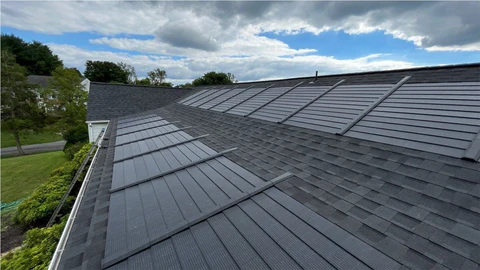
The type of solar product you choose can significantly affect installation time. Traditional solar panels are typically faster to install, especially on simple, single-story roofs. Integrated solar shingles or tiles, which replace conventional roofing materials, require more labor and precision, often extending the project by several days.
For those interested in the unique benefits of solar tiles, our resource on the advantages of solar roof tiles offers a detailed look at why some homeowners prefer this option. You can also explore the advantages of solar roof tiles for modern homes for additional perspectives.
How to Minimize Delays in Your Solar Roofing Project
While some factors are out of your control, there are ways to help ensure your solar roof project stays on schedule:
- Choose an experienced installer: Companies with a proven track record are more likely to anticipate and avoid common delays.
- Prepare your roof: Address any repairs or replacements before installation begins.
- Respond quickly to paperwork: Timely responses to your installer’s requests help keep the permitting process moving.
- Stay informed: Regular communication with your installer helps you anticipate next steps and potential issues.
It’s also wise to consider the disadvantages of solar roofing before making a final decision, as some systems may require more maintenance or have longer installation times.
Frequently Asked Questions
How long does the actual installation on the roof take?
The hands-on installation of solar panels or shingles on your roof typically takes between two and five days for most residential projects. More complex roofs or integrated solar tile systems may require additional time.
What causes delays in solar roof installation?
The most common causes of delays include permitting and inspections, weather conditions, supply chain issues, and unexpected roof repairs. Working with a reputable installer can help minimize these risks.
Is the timeline different for solar shingles compared to panels?
Yes, installing solar shingles or tiles generally takes longer than mounting traditional panels, as the process involves replacing sections of your roof and integrating the solar elements directly into the roofing material.
Can I speed up the installation process?
While you can’t control every aspect, choosing an experienced installer, preparing your roof in advance, and responding promptly to paperwork requests can help keep your project on track.
Do I need to leave my home during installation?
In most cases, you can remain at home during the installation. However, there may be some noise and temporary disruptions while work is underway.