The global demand for renewable energy solutions is rapidly transforming the construction and roofing industries. Among the most notable developments is the rise of solar-integrated roofing, which merges energy generation with modern building materials. Understanding solar roofing market trends is essential for homeowners, industry professionals, and investors seeking to stay ahead in this evolving sector.
As technology advances and environmental concerns grow, solar roofs are becoming more accessible and efficient. This article explores the key drivers, innovations, and challenges shaping this dynamic market, offering a comprehensive overview for anyone interested in sustainable roofing solutions.
For those interested in what lies ahead, the solar roofing future trends guide provides further perspective on upcoming innovations and market directions.
Key Drivers Shaping the Solar Roofing Sector
Several factors are fueling the adoption of solar-integrated roofs worldwide. The push for clean energy, government incentives, and growing consumer awareness about sustainability are among the primary motivators. As more countries set ambitious renewable energy targets, the integration of solar technology into residential and commercial buildings is increasingly seen as a practical solution.
- Government Policies and Incentives: Tax credits, rebates, and renewable energy mandates are making solar roofs more financially attractive to property owners.
- Technological Advancements: Improvements in photovoltaic (PV) efficiency, durability, and aesthetics are reducing barriers to adoption.
- Rising Energy Costs: As utility prices climb, the long-term savings of solar roofs become more compelling for homeowners and businesses.
- Environmental Awareness: Growing concern about carbon emissions and climate change is driving demand for sustainable building materials.
Innovations in Solar Roofing Products
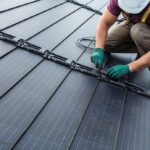
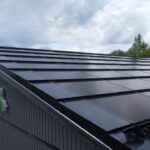
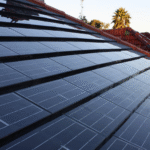
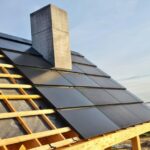
The evolution of solar roofing products is a major trend within the industry. Traditional rack-mounted panels are being joined—and in some cases replaced—by building-integrated photovoltaics (BIPV), solar shingles, and tiles that blend seamlessly with conventional roofing materials.

These new products offer several advantages:
- Improved Aesthetics: Solar shingles and tiles are designed to mimic traditional roofing, appealing to homeowners concerned about curb appeal.
- Enhanced Durability: Many integrated systems are engineered to withstand harsh weather, providing both energy and protection.
- Streamlined Installation: Some solutions can be installed alongside or instead of standard roofing materials, reducing labor and material costs.
For a deeper look at product options and their pros and cons, see this detailed comparison of solar roof tiles.
Regional Growth Patterns and Market Expansion
Adoption rates for solar roofing vary significantly by region. North America and Europe are leading the way, driven by supportive policies and a strong focus on sustainability. In the United States, states like California and New York have introduced building codes that encourage or require solar installations on new construction.
Emerging markets in Asia-Pacific and Latin America are also showing strong growth, thanks to declining costs and increasing energy needs. As manufacturing scales up and supply chains mature, the cost of solar roofing is expected to continue falling, making it more accessible worldwide.
For those considering a new installation, a solar roofing site assessment can help determine the best approach based on local conditions and regulations.
Challenges Facing the Solar Roofing Industry
Despite its promise, the sector faces several obstacles. Upfront costs remain a concern for many property owners, even as prices decline. Installation complexity and the need for skilled labor can also slow adoption. Additionally, integrating solar with existing roofs or historic properties may present technical and regulatory hurdles.
Other challenges include:
- Grid Integration: Ensuring that distributed solar systems work seamlessly with local utilities and energy storage solutions.
- Maintenance: Keeping solar roofs clean and functioning optimally, especially in areas with heavy debris or snow.
- Consumer Awareness: Many homeowners are still unfamiliar with the latest solar roofing options and their benefits.
To maximize energy output and system longevity, see the guide to optimizing solar roofing performance.
Cost Trends and Return on Investment
The economics of solar roofing are improving as technology advances and installation becomes more efficient. While the initial investment can be higher than traditional roofing, long-term savings on energy bills and potential increases in property value often offset these costs.

Factors influencing return on investment include:
- Local Incentives: Rebates and tax credits can significantly reduce upfront costs.
- Energy Prices: Higher local electricity rates increase the value of energy generated by solar roofs.
- Roof Orientation and Shading: Optimal placement maximizes energy production and savings.
Calculating the number of solar tiles needed for your property is a crucial step. The solar tile calculator can help estimate system size and costs.
Future Outlook for Solar Roofing Solutions
Looking ahead, the market for solar-integrated roofing is expected to expand rapidly. As manufacturing scales up and new materials are developed, costs will likely continue to decrease, making these systems more accessible to a broader range of consumers.
Digital tools, such as remote site assessments and smart monitoring, are also streamlining the design and installation process. As more property owners recognize the dual benefits of energy generation and modern aesthetics, adoption rates are set to climb.
For those planning a new build or renovation, the solar roofing system sizing guide offers practical advice on selecting the right system for your needs.
Frequently Asked Questions
What are the main benefits of installing a solar roof?
Solar roofs provide clean energy, reduce electricity bills, and can increase property value. They also offer a modern look and help lower your carbon footprint.
How do solar shingles differ from traditional solar panels?
Solar shingles and tiles are integrated directly into the roofing material, offering a seamless appearance. Traditional panels are mounted on top of existing roofs. Both generate electricity, but integrated options often provide better aesthetics and may simplify installation.
Is solar roofing suitable for all climates?
Most modern solar roofing systems are designed to withstand a range of weather conditions, including snow, rain, and hail. However, energy production will vary based on sunlight exposure, roof orientation, and local climate.
How can I keep my solar roof performing efficiently?
Regular cleaning and maintenance help ensure optimal performance. Using tools like a roof cleaning brush can remove debris and dust that might block sunlight. It’s also important to monitor your system for any issues and schedule professional inspections as needed.