The landscape of solar roofing is evolving rapidly, driven by advances in technology, changing consumer preferences, and increasing demand for sustainable energy solutions. As homeowners and businesses look for ways to reduce energy costs and environmental impact, the integration of solar panels directly into roofing materials is gaining momentum. This article explores the most significant solar roofing future trends, offering a practical look at what’s next for this innovative industry.
Whether you’re considering an upgrade to your property or simply want to stay informed about the latest in renewable energy, understanding where solar roofing is headed can help you make smarter decisions. For those interested in optimizing their solar investment, our how to maximize solar roofing output guide offers additional insights.
Emerging Technologies in Solar Roofing
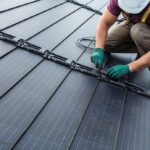
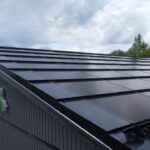
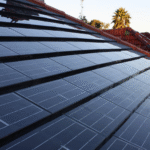
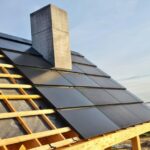
One of the most notable developments in the sector is the rise of building-integrated photovoltaics (BIPV). Unlike traditional panels that are mounted on top of existing roofs, BIPV systems are designed to blend seamlessly with roofing materials, such as shingles or tiles. This approach not only enhances aesthetics but also maximizes the usable surface area for energy generation.
Innovations in solar cell efficiency are also shaping the future. Manufacturers are investing in new materials, including perovskite cells and bifacial modules, which can capture sunlight from multiple angles. These advancements mean that future solar roofs will be more effective, even in less-than-ideal weather conditions.

Design and Material Innovations Shaping the Industry
As solar roofing becomes more mainstream, manufacturers are focusing on creating products that not only perform well but also look appealing. The latest shingles and tiles are available in a range of colors and textures, allowing homeowners to match their roof’s appearance to their architectural style.
Durability is another area of focus. Newer materials are engineered to withstand harsh weather, resist impact, and offer longer warranties. This makes solar roofs a more attractive investment for those looking for both energy savings and long-term value.
For a deeper dive into planning and assessing your property for solar, check out our solar roofing site assessment resource.
Smart Integration and Energy Management
The future of solar roofing is closely tied to the rise of smart home technology. Modern systems are increasingly equipped with monitoring tools, allowing users to track energy production and consumption in real time. Some solutions can even adjust output based on weather forecasts or household usage patterns, maximizing efficiency.
Battery storage is also becoming more accessible. By pairing solar roofs with home batteries, property owners can store excess energy for use during peak times or outages. This trend is expected to accelerate as battery costs continue to fall and grid reliability becomes a greater concern.

Cost, Accessibility, and Policy Drivers
As manufacturing scales up and technology matures, the cost of solar roofing continues to decrease. This makes it more accessible to a wider range of homeowners and businesses. Incentives, rebates, and favorable policies in many regions are further accelerating adoption.
Governments and utilities are increasingly recognizing the value of distributed energy generation. In some areas, updated building codes and mandates are encouraging or even requiring the installation of solar on new construction. These policy shifts are expected to play a significant role in shaping the market over the next decade.
To understand how many tiles you might need for your own installation, our how many solar tiles do I need guide provides practical calculations.
Environmental and Social Impacts
The environmental benefits of solar roofing are clear: reduced reliance on fossil fuels, lower carbon emissions, and improved air quality. As more properties adopt solar, the collective impact on local and global sustainability goals will grow.
Socially, the trend is also empowering communities. Shared solar programs and neighborhood microgrids are making it possible for more people to participate in clean energy, even if they can’t install a system on their own roof.
For more on the advantages of solar roof tiles, see this detailed overview of solar roof tile benefits.
What to Expect Next in Solar Roofing
Looking ahead, the next wave of solar roofing future trends will likely include even greater integration with smart grids, more customizable design options, and continued improvements in efficiency and durability. As the technology becomes more mainstream, expect to see a wider variety of products tailored to different climates, building types, and budgets.
Homeowners interested in sizing their system for maximum benefit can refer to our solar roofing system sizing guide for step-by-step advice.
Ultimately, the combination of technological innovation, supportive policy, and growing consumer awareness is setting the stage for solar roofing to become a standard feature in both residential and commercial construction.
FAQ: Solar Roofing and the Road Ahead
How long do solar roofs typically last?
Most modern solar roofing systems are designed to last 25 to 30 years or more, with warranties often covering both the roofing material and the energy production. Maintenance and local climate conditions can affect lifespan, but durability is improving with each new generation of products.
Are solar shingles as efficient as traditional solar panels?
While solar shingles have historically lagged behind traditional panels in efficiency, recent advancements have narrowed the gap. Today’s solar shingles can offer competitive performance, especially when installed on roofs with optimal sun exposure.
What factors should I consider before installing a solar roof?
Key considerations include your roof’s orientation and shading, local climate, available incentives, and your household’s energy needs. A professional assessment, such as outlined in our solar roofing site assessment guide, can help determine if your property is a good candidate.