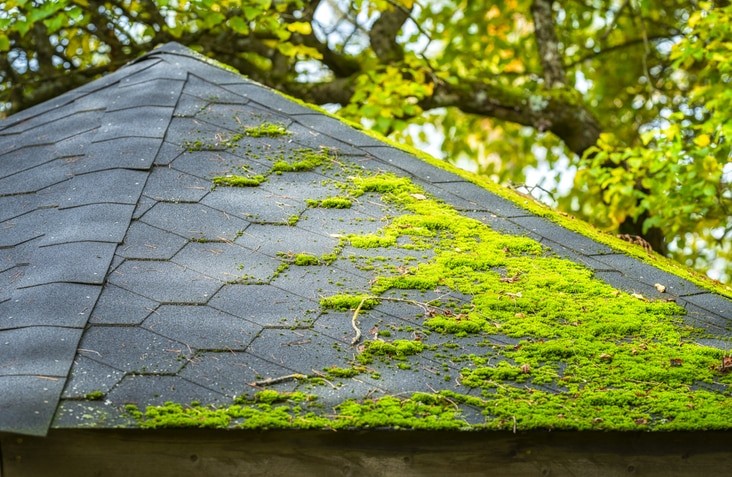
As a homeowner, one of the many challenges you might face is dealing with roof moss. This green, velvety plant might seem harmless, but if left untreated, it can lead to roof damage and leaks. Fortunately, there are natural remedies available that can help you manage and eliminate moss without resorting to harsh chemicals. In this article, we will explore a range of roof moss natural remedies and provide you with tips to keep your roof moss-free.
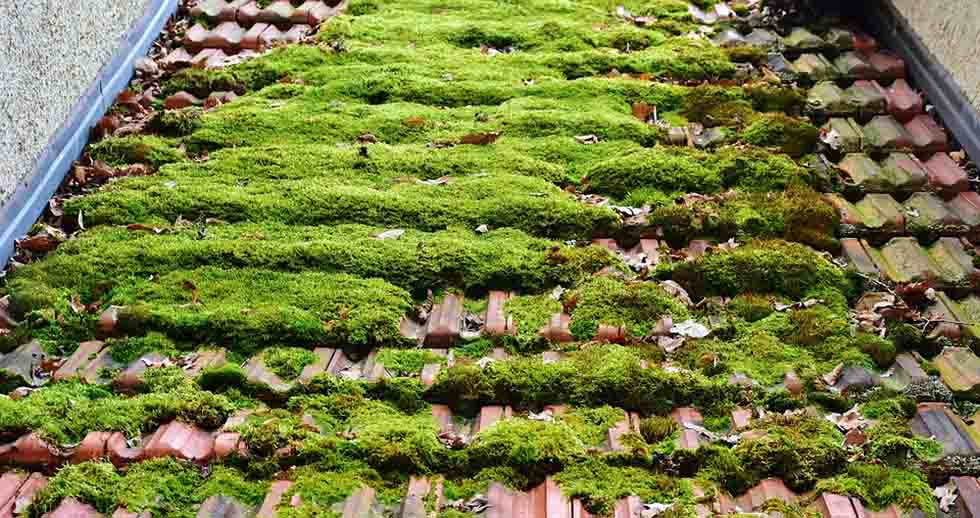
What is Roof Moss?
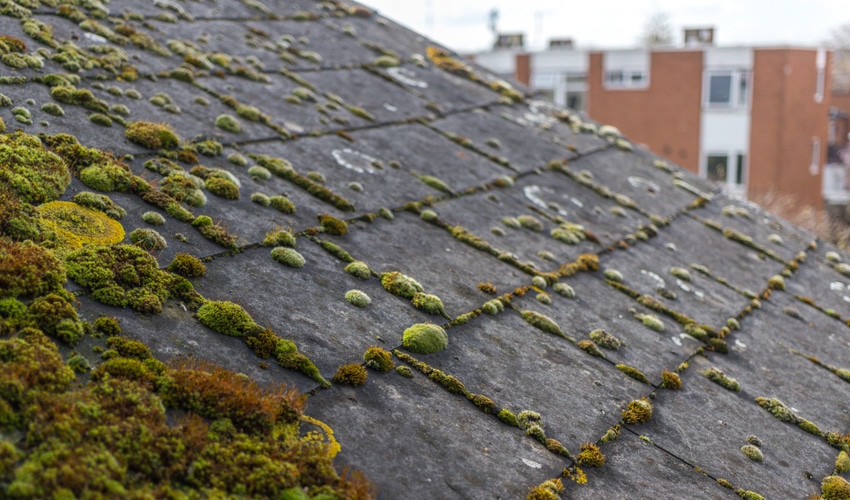
Roof moss is a type of non-vascular plant that thrives in damp, shaded environments. It can often be found on roofs that are covered by trees or that do not receive much sunlight. Moss retains moisture, which can cause roofing materials like shingles and tiles to deteriorate over time. This can lead to leaks and other structural problems if not addressed promptly.
Why Choose Natural Remedies?
Choosing natural remedies for dealing with roof moss has several benefits. Firstly, they are environmentally friendly and do not introduce harmful chemicals into your home or garden. Secondly, they are often cost-effective and can be easily implemented using household items. Lastly, using natural methods can preserve the longevity of your roof by avoiding corrosion or other damage caused by chemical treatments.
Identifying Moss on Your Roof
Before you begin treating your roof, it’s important to correctly identify moss. Moss appears as a dense, green carpet on your roof. Unlike algae, which is typically black or green-blue, moss has a distinct texture and structure. Understanding the difference between roof moss and algae is crucial to apply the right treatment.
Natural Remedies for Roof Moss
1. Baking Soda
Baking soda is a gentle yet effective way to treat roof moss. Simply mix baking soda with water to create a paste, then apply it directly to the moss. The alkaline properties of baking soda will dry out the moss, eventually killing it.
2. Vinegar
Vinegar is another household item that can be used to combat moss. Fill a spray bottle with undiluted white vinegar and spray it directly onto the moss. The acidity of vinegar will kill the moss and prevent new growth.
3. Soap and Water
A simple solution of soap and water can also work wonders. Use a mild dish soap mixed with water, and scrub the mossy areas gently with a soft brush. This method is effective for smaller patches of moss.
4. Lemon Juice
Lemon juice is a natural acid that can help get rid of moss. Similar to vinegar, spray lemon juice on the affected areas. The acidity will dry out the moss and prevent it from returning.
5. Essential Oils
Certain essential oils, such as tea tree oil, have natural antifungal properties. Mix a few drops of tea tree oil with water and spray it on the moss. This will help eliminate the moss and keep your roof smelling fresh.
Preventing Moss Growth
Prevention is key when it comes to roof maintenance. Regular roof inspections and cleaning can help prevent moss from taking hold. Consider trimming overhanging branches to allow more sunlight to reach your roof and improve airflow. For more detailed advice, you can refer to roof maintenance tips after moss removal.
Frequently Asked Questions
1. Can moss damage my roof?
Yes, moss can trap moisture and cause roofing materials to deteriorate, leading to leaks and structural damage.
2. How often should I check my roof for moss?
It’s recommended to inspect your roof at least twice a year, especially in damp climates or shaded areas.
3. Are natural remedies as effective as chemical treatments?
While natural remedies are gentler and safer for the environment, they may require more frequent application compared to chemical treatments. However, they are effective for ongoing maintenance and prevention.
For more information on roof moss problems, visit Abbey Roofing.
This article contains affiliate links. We may earn a commission at no extra cost to you.