Solar roofing has rapidly evolved, offering homeowners and businesses more efficient, attractive, and durable ways to harness renewable energy. The latest solar roofing technology integrates advanced materials and smart design, making solar power more accessible and visually appealing than ever before. Whether you’re considering an upgrade for energy savings or looking to reduce your environmental footprint, understanding these innovations is key to making informed decisions.
This article provides a clear overview of new solar roofing solutions, including how they work, their benefits, and what to consider before installation. For those interested in planning a system, the solar roofing system sizing guide offers practical advice on determining the right fit for your property.
How Modern Solar Roofs Differ From Traditional Panels
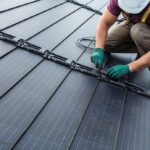
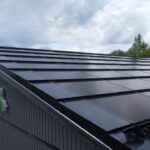
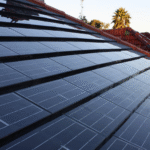
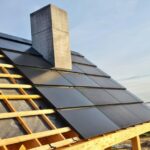
Traditional solar panels are mounted on top of existing roofing materials, often resulting in a bulky appearance and potential challenges with roof maintenance. In contrast, the newest solar roofing options—such as solar shingles and tiles—are designed to blend seamlessly with the roof’s surface. These products serve as both the weatherproof exterior and the energy-generating component, eliminating the need for separate panels.
The integration of photovoltaic (PV) cells into roofing materials is a hallmark of cutting-edge solar roof technology. These systems are engineered to match the look of conventional shingles or tiles, preserving curb appeal while delivering clean energy.
Key Innovations in the Latest Solar Roofing Technology
Several breakthroughs have shaped the current landscape of solar roofing. Here are some of the most significant advancements:
- Solar Shingles and Tiles: These are thin, lightweight, and durable, allowing for direct installation as the primary roof covering. They come in various styles to mimic asphalt, slate, or clay tiles.
- Improved Efficiency: New cell designs and materials, such as monocrystalline silicon and thin-film PV, have increased the energy conversion rates, making roofs more productive even in low-light conditions.
- Smart Monitoring: Integrated systems now offer real-time performance tracking, helping users optimize output and quickly identify maintenance needs.
- Enhanced Durability: Modern solar roofs are built to withstand harsh weather, including hail, wind, and heavy snow, often matching or exceeding the lifespan of traditional roofing.
- Streamlined Installation: Many new products feature modular designs and simplified wiring, reducing installation time and labor costs.

Comparing Solar Shingles, Tiles, and Traditional Panels
Homeowners now have several options for solar roofing, each with distinct advantages. Solar shingles and tiles are designed to replace standard roofing materials, offering a low-profile look and weather resistance. Traditional panels, while often more affordable per watt, may not blend as well with the roofline and can require additional mounting hardware.
When choosing between these technologies, consider factors such as:
- Appearance: Solar shingles and tiles are nearly indistinguishable from regular roofing, while panels are more visible.
- Installation: Integrated solar roofs may require a full roof replacement, whereas panels can be added to existing roofs.
- Cost: The latest solar roofing options tend to have higher upfront costs but may offer better long-term value through increased efficiency and lifespan.
- Maintenance: Integrated systems are generally easier to maintain, as they are less prone to debris buildup and wind uplift.
For a deeper dive into how to optimize your system’s output and ensure you’re getting the most from your investment, see the guide on maximizing solar roofing output.
Benefits of Adopting Next-Generation Solar Roofs
Embracing the most recent advances in solar roofing comes with a range of benefits:
- Energy Savings: High-efficiency PV materials can significantly reduce electricity bills, especially when paired with battery storage.
- Increased Property Value: Homes with integrated solar roofs often see higher resale values due to their modern look and energy-saving features.
- Environmental Impact: Generating clean electricity on-site reduces reliance on fossil fuels and lowers carbon emissions.
- Minimal Maintenance: With fewer exposed parts and robust construction, these roofs require less upkeep than older panel systems.
- Potential Incentives: Many regions offer tax credits, rebates, or net metering for solar installations, further improving the return on investment.

What to Know Before Installing Advanced Solar Roofs
Before committing to a new solar roof, it’s important to assess your property’s suitability and understand the installation process. Factors such as roof orientation, shading, structural integrity, and local climate all influence system performance.
A professional site assessment can help you determine the best approach. For step-by-step advice, consult the solar roofing site assessment guide.
Additionally, consider the following:
- Warranty and Lifespan: Check manufacturer warranties and expected service life.
- Permitting and Regulations: Local building codes and HOA rules may affect your project.
- Financing Options: Explore loans, leases, or power purchase agreements to manage upfront costs.
- System Sizing: Calculate how many solar tiles or shingles you need for your energy goals. The how many solar tiles do I need guide can help with this calculation.
Further Resources and Future Developments
The field of solar roofing continues to advance, with new materials and smart features on the horizon. To stay informed about upcoming trends and innovations, see the solar roofing future trends article.
For a comprehensive overview of solar tiles, including pros, cons, and installation tips, visit this detailed guide to solar tiles.
FAQ
Are solar shingles as efficient as traditional solar panels?
While the efficiency of solar shingles has improved significantly, traditional panels may still offer slightly higher output per square foot. However, the gap is narrowing as technology advances, and the integrated look of shingles is often preferred for residential projects.
How long do modern solar roofs last?
Most new solar roofing products are designed to last 25–30 years or more, with warranties to match. Their durability often rivals or exceeds that of standard roofing materials, thanks to robust construction and weather-resistant features.
Can I install a solar roof on any type of home?
Most homes are suitable for solar roofing, but factors like roof pitch, orientation, shading, and structural support play a role. A site assessment by a qualified installer will help determine the best solution for your property.