When it comes to insulating your home, choosing between insulation foam board and fiberglass batts can be a challenging decision. Both materials offer unique benefits and drawbacks, making them suitable for different applications and environments. Understanding the differences between these two popular insulation types is crucial for homeowners looking to improve energy efficiency and comfort in their homes. This comparison will delve into the cost, thermal performance, installation process, and environmental impact of each option, helping you determine which is best suited for your needs. For a deeper dive into the difference between fiberglass and spray foam insulation, check out our related article.
Quick Comparison
| Feature | Insulation Foam Board | Fiberglass Batts |
|---|---|---|
| Key Features | High R-value, moisture resistant, suitable for exterior walls | Cost-effective, easy to install, flexible for irregular spaces |
| Pros |
|
|
| Cons |
|
|
| Ideal Use-Case | Basements, exterior walls, areas prone to moisture | Attics, walls, and areas with irregular shapes |
Insulation Foam Board
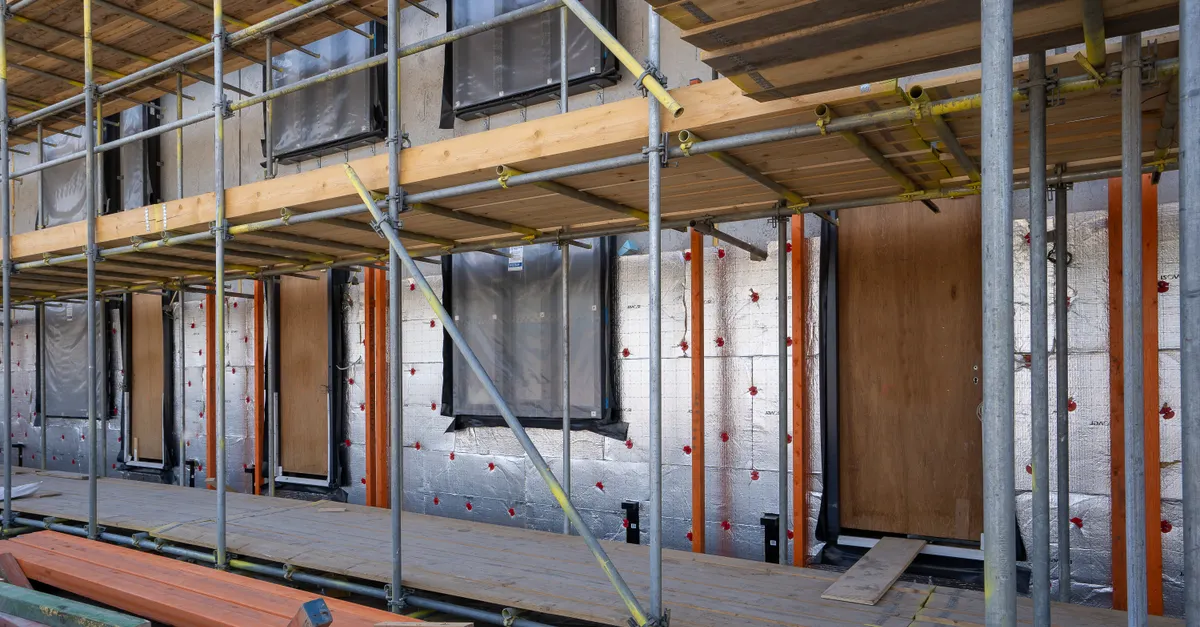
Foam board insulation is a rigid panel that provides excellent thermal resistance and is often used in areas where space is limited. Its high R-value makes it an ideal choice for exterior walls, basements, and areas prone to moisture. Foam boards are typically made from polystyrene, polyisocyanurate, or polyurethane, each offering varying levels of insulation efficiency and moisture resistance.
Pros
- High thermal resistance with a compact profile
- Effective moisture barrier
- Long-lasting and durable
Cons
- Higher upfront cost compared to fiberglass
- Requires precise cutting and fitting
Fiberglass Batts
Fiberglass batts are a popular choice for many homeowners due to their affordability and ease of installation. Made from fine glass fibers, these batts are designed to fit snugly between standard wall studs and ceiling joists. While they offer a lower R-value per inch compared to foam boards, their flexibility makes them suitable for a variety of applications, especially in attics and walls with irregular shapes.
Pros
- Cost-effective and widely available
- Easy to install, even for DIY projects
- Non-combustible and safe to use
Cons
- Lower R-value compared to foam boards
- Prone to sagging and settling over time
Head-to-Head Comparison
When comparing insulation foam board vs fiberglass batts, several factors come into play. In terms of performance, foam boards generally offer higher thermal resistance, making them more effective in extreme climates. However, fiberglass batts are more cost-effective, making them a popular choice for budget-conscious homeowners.
Regarding features, foam boards provide excellent moisture resistance, which is crucial in basements or exterior applications. Fiberglass batts, on the other hand, are easier to install and can be more forgiving in irregular spaces.
In terms of build quality, foam boards are more durable and less prone to damage, while fiberglass batts can compress or sag over time, potentially reducing their effectiveness. Pricing varies significantly, with foam boards typically commanding a higher price due to their superior performance and durability.
For different user types, foam boards are ideal for those needing high-performance insulation in moisture-prone areas, while fiberglass batts are suitable for DIY enthusiasts looking for an affordable and easy-to-install solution.

Which One Should You Choose?
Choosing between foam board and fiberglass batts depends on your specific needs and circumstances. If you prioritize high thermal performance and moisture resistance, especially in areas like basements or exterior walls, foam board insulation might be the better choice. However, if you’re working with a tighter budget and need a flexible, easy-to-install option for attics or walls, fiberglass batts offer a compelling alternative.
Consider factors such as the climate, the specific area you are insulating, and your budget to make the most informed decision. For those interested in learning more about installation techniques, our guide on how to install roof insulation provides valuable insights.
Frequently Asked Questions
What are the cost differences between foam board and fiberglass batts?
Fiberglass batts are generally more affordable, offering the lowest cost per square foot, while foam boards tend to be more expensive due to their higher performance and durability.
How do foam board and fiberglass batts compare in terms of thermal performance?
Foam boards typically offer a higher R-value per inch, providing better thermal resistance compared to fiberglass batts, which have an R-value of R-3.0 to R-3.8 per inch.
Which type of insulation is better for moisture-prone areas?
Foam board insulation is generally better suited for moisture-prone areas due to its excellent moisture resistance, making it ideal for basements and exterior walls.
What are the environmental impacts of using foam board versus fiberglass batts?
Foam boards are often made from petrochemicals, which can have a higher environmental impact compared to fiberglass batts, which are made from recycled glass materials. However, the long-term energy savings from foam boards can offset some of these impacts.
How does the installation process differ between foam board and fiberglass batts?
Fiberglass batts are easier to install, especially for DIY projects, as they can be cut to fit irregular spaces. Foam boards require precise cutting and fitting, which can be more challenging.