


Improving your home’s energy efficiency often starts above your head. Many homeowners wonder how to add insulation to an attic without making costly mistakes or missing key steps. Whether you’re dealing with drafty rooms, high energy bills, or simply want to make your living space more comfortable year-round, boosting your attic’s insulation can make a significant difference. This guide covers the essentials of upgrading your attic insulation, including preparation, material choices, installation techniques, and safety tips.
If you’re also interested in reducing noise from outside or between floors, you may want to read about attic insulation for soundproofing for additional benefits beyond thermal comfort.
Why Upgrading Attic Insulation Matters
Attic insulation acts as a barrier, reducing heat transfer between your living space and the outdoors. When properly installed, it helps keep your home warmer in winter and cooler in summer. This not only improves comfort but also lowers heating and cooling costs. Inadequate or aging insulation can lead to uneven temperatures, ice dams, and increased wear on your HVAC system.
Besides energy efficiency, adding more insulation can help with moisture control and even contribute to a quieter home. For more on how insulation interacts with your HVAC, see this resource on how attic insulation works with HVAC.
Assessing Your Current Attic Insulation
Before deciding how to proceed, it’s important to evaluate what’s already in place. Most attics have either batt (blanket) or loose-fill (blown-in) insulation. Check the depth and condition of existing material. As a general rule, if you can see the joists, you likely need more insulation.
- Inspect for damage: Look for signs of moisture, mold, or pest infestation. Damaged insulation should be removed and replaced.
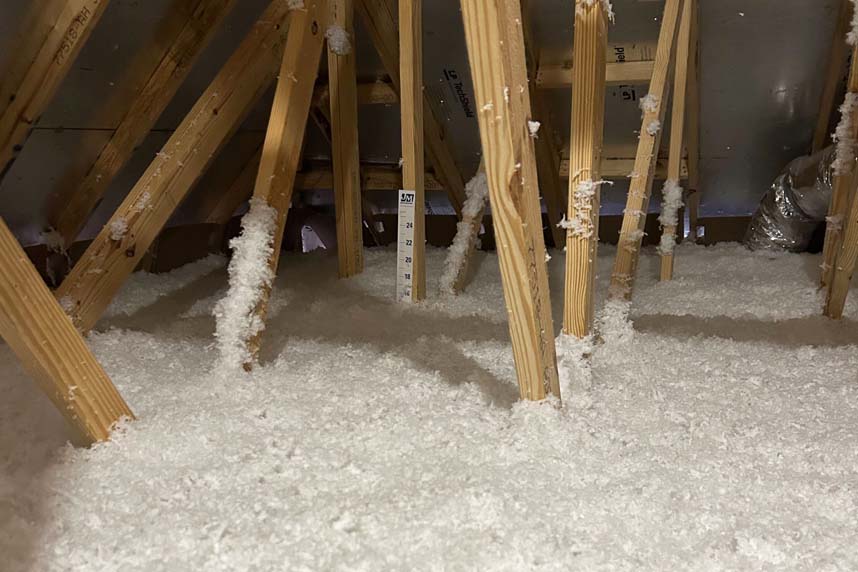
- Measure thickness: Use a ruler to determine the current depth. The U.S. Department of Energy recommends at least R-38 (about 10–14 inches of fiberglass or cellulose) in most climates.
- Identify gaps: Pay attention to areas around vents, chimneys, and attic hatches where insulation may be thin or missing.
Choosing the Right Materials for Your Project
When considering how to add insulation to an attic, the main options are fiberglass batts, blown-in fiberglass, or cellulose. Each has advantages depending on your attic’s layout and your DIY experience.
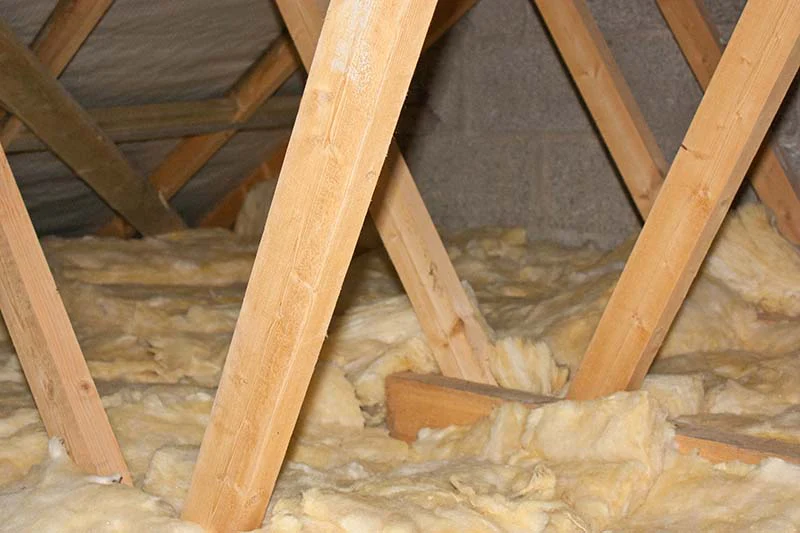
- Fiberglass batts: Pre-cut panels that fit between attic joists. Best for attics with standard spacing and few obstructions.
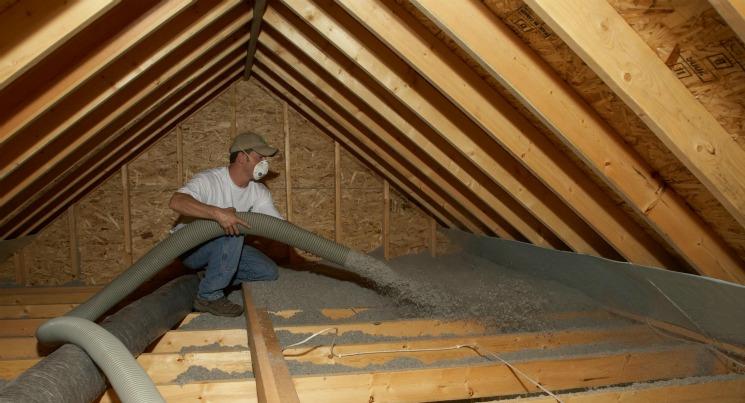
- Blown-in insulation: Loose material (fiberglass or cellulose) applied using a blower. Ideal for filling irregular spaces and topping up existing insulation.
- Cellulose: Made from recycled paper, treated for fire resistance. Offers good coverage and is often used for retrofits.
Consider R-value (thermal resistance) and your local climate when selecting materials. Higher R-values provide better insulation.
Preparing the Attic for Additional Insulation
Proper preparation is crucial for a successful upgrade. Start by clearing the attic of stored items and debris. Wear protective gear, including gloves, a mask, and goggles, to avoid irritation from dust and fibers.
- Seal air leaks: Use caulk or spray foam to seal gaps around pipes, wiring, and light fixtures. This prevents warm air from escaping into the attic.
- Check ventilation: Ensure soffit and ridge vents are clear to allow airflow. Good ventilation prevents moisture buildup and extends the life of your insulation.
- Protect recessed lights: Use approved covers or barriers to keep insulation away from non-IC-rated fixtures, reducing fire risk.
Step-by-Step Guide: Installing New Insulation in Your Attic
The process for adding insulation to your attic depends on the type of material you choose. Here’s a general overview for both batt and blown-in methods:
- Lay down walk boards: Place sturdy boards across joists to create a safe path and avoid compressing insulation.
- Install baffles: Place baffles (vent chutes) between rafters at the eaves to keep soffit vents clear and maintain airflow.
- Position batts or blow in material: For batts, lay them perpendicular to existing insulation to cover gaps. For blown-in, use a blower to evenly distribute material to the recommended depth.
- Insulate the attic hatch: Attach rigid foam board or batt insulation to the attic access door to prevent heat loss.
- Check for even coverage: Ensure insulation is level and not blocking any vents or electrical fixtures.
Common Mistakes to Avoid When Upgrading Attic Insulation
Even well-intentioned DIY projects can go wrong without attention to detail. Here are some pitfalls to watch out for:
- Blocking ventilation: Covering soffit or ridge vents can cause moisture problems and reduce insulation effectiveness.
- Compressing insulation: Walking or storing items on top of insulation reduces its R-value.
- Ignoring air leaks: Failing to seal gaps before adding insulation allows heat to escape and undermines your efforts.
- Using the wrong materials: Not all insulation types are suitable for every attic. Choose products rated for your climate and attic conditions.
- Overlooking the attic hatch: Uninsulated access doors are a major source of heat loss.
Maintaining and Monitoring Your Upgraded Attic
After installation, periodic checks ensure your insulation continues to perform well. Look for signs of settling, moisture, or pest activity. If you notice drafts or temperature swings, revisit your attic to inspect for issues.
For more strategies on keeping your home comfortable, see this article on how roof insulation improves comfort.
To further reduce heat loss, especially in colder climates, you can explore tips on how to prevent attic heat loss and make sure your efforts have the maximum impact.
Frequently Asked Questions
How do I know if my attic needs more insulation?
If your attic insulation is below the recommended depth (typically less than 10–14 inches for most materials), or if you notice uneven temperatures, high energy bills, or visible joists, it’s time to add more. A professional energy audit can also help identify deficiencies.
Can I add new insulation on top of old insulation?
Yes, as long as the existing material is dry, free of mold, and not compressed. Avoid using materials with vapor barriers on top of old insulation, as this can trap moisture. If the old insulation is damaged or wet, remove it before adding new layers.
Is it better to use batts or blown-in insulation?
Both types are effective when installed correctly. Batts are easier for DIYers in open, accessible attics with standard joist spacing. Blown-in insulation is better for attics with irregular spaces, obstructions, or when topping up existing insulation. Choose the method that best fits your attic’s layout and your comfort with installation.
How does attic insulation help with drafts?
Properly installed insulation reduces air movement between your attic and living spaces, which helps eliminate drafts. For more details, see this resource on how attic insulation reduces drafts.


