


The condition and durability of your roof depend on more than just the shingles or tiles you see from the street. One of the most overlooked factors is the role of insulation. Understanding how roof insulation affects roof lifespan can help homeowners make informed decisions that protect their investment and reduce long-term maintenance costs.
Proper insulation acts as a barrier against temperature extremes, moisture, and structural stress. It not only improves energy efficiency but also directly influences how long your roofing materials last. In this article, we’ll explore the connection between insulation and roof longevity, the science behind it, and practical steps you can take to maximize your roof’s service life.
If you’re also interested in the comfort benefits of insulation, you can learn more in our guide on how roof insulation improves comfort.
The Science Behind Insulation and Roof Durability
To appreciate the impact of insulation on a roof’s longevity, it’s important to understand the underlying science. Roofs are constantly exposed to weather changes, from blazing summer heat to freezing winter nights. These fluctuations cause roofing materials to expand and contract, which can lead to cracks, warping, and premature aging.
Insulation moderates the temperature in your attic and roof deck, reducing the severity of these cycles. By keeping the attic space closer to the outside temperature, insulation minimizes thermal shock and helps maintain the structural integrity of your roof. This is a key reason why homes with well-installed insulation often see fewer issues with leaks, shingle damage, and rot.
Reducing Moisture and Preventing Damage
Moisture is one of the biggest threats to any roofing system. Condensation can form in attics when warm, moist indoor air meets a cold roof deck. Over time, this moisture can lead to mold, mildew, and wood rot, all of which shorten the lifespan of your roof.
Effective insulation, paired with proper ventilation, helps regulate attic temperature and humidity. This reduces the risk of condensation and keeps the roof deck dry. When insulation is lacking or poorly installed, moisture problems are much more likely to develop, leading to costly repairs and even premature roof replacement.
For more on managing attic conditions, see our article on how to prevent attic heat loss.
How Roof Insulation Affects Roof Lifespan During Seasonal Extremes
Seasonal weather changes put extra stress on roofing materials. In cold climates, inadequate insulation can cause ice dams, where melting snow refreezes at the eaves, forcing water under shingles and into the roof structure. In hot climates, excessive attic heat can cause shingles to deteriorate faster and increase the risk of warping or blistering.
By maintaining a more stable attic temperature, insulation helps prevent these seasonal hazards. This not only protects the roof but also improves the overall energy efficiency of your home, reducing heating and cooling costs year-round.

Types of Insulation and Their Impact on Roof Longevity
Not all insulation materials offer the same level of protection for your roof. Common types include fiberglass batts, blown-in cellulose, spray foam, and rigid foam boards. Each has its own advantages and best-use scenarios:
- Fiberglass batts: Affordable and easy to install, but may leave gaps if not fitted properly.
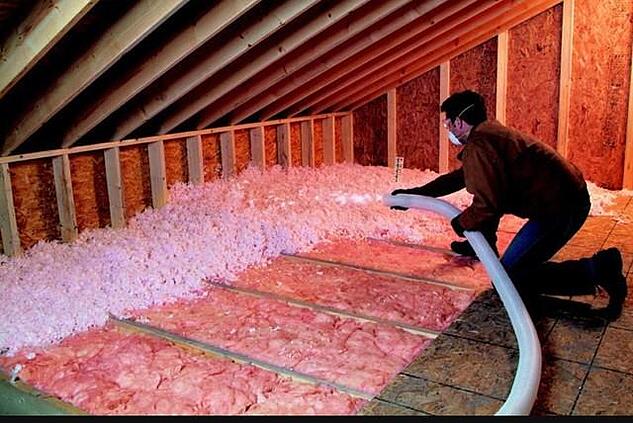
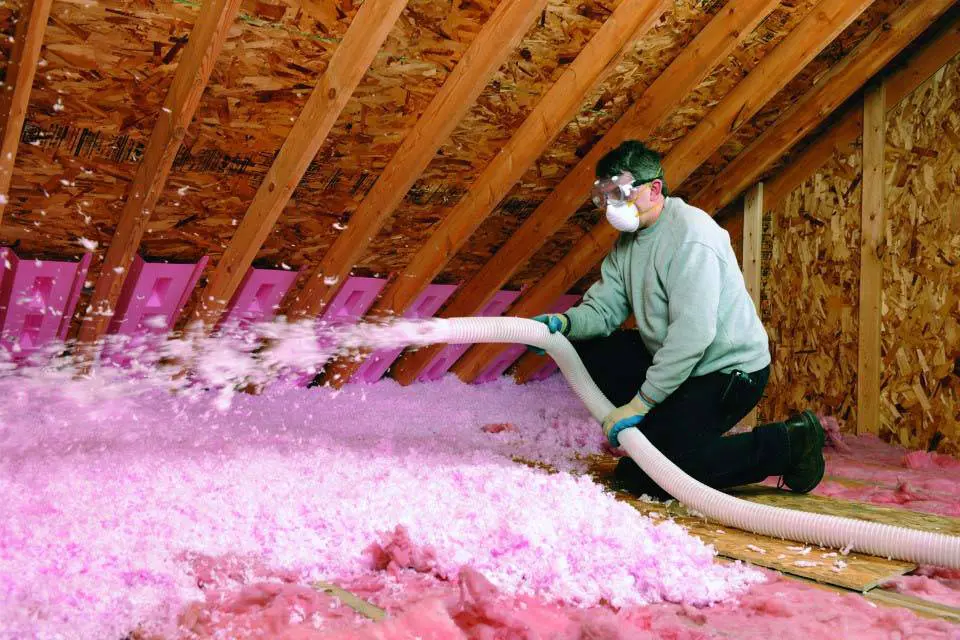
- Blown-in cellulose: Good for filling irregular spaces, offers solid thermal performance, and is eco-friendly.
- Spray foam: Provides excellent air sealing and moisture resistance, ideal for maximizing energy efficiency and protecting roof structure.
- Rigid foam boards: High insulating value and moisture resistance, often used in new construction or major renovations.
The right choice depends on your roof design, climate, and budget. Regardless of the material, proper installation is essential to ensure the insulation performs as intended and supports a longer roof life.
Signs Your Roof May Need Better Insulation
If you’re wondering whether your home could benefit from improved insulation, look for these warning signs:
- Uneven temperatures between rooms or floors
- Ice dams forming on the roof in winter
- High energy bills, especially during extreme weather
- Frequent roof repairs or visible shingle damage
- Condensation or moisture in the attic
Addressing these issues early can help you avoid more serious problems and extend the useful life of your roofing system. For additional benefits, such as noise reduction, check out our resource on attic insulation for soundproofing.
Maximizing Roof Performance with Proper Insulation
To get the most out of your insulation and protect your roof, consider these best practices:
- Ensure insulation is evenly distributed and covers all areas of the attic floor.
- Seal air leaks around vents, pipes, and wiring to prevent warm air from escaping into the attic.
- Maintain adequate attic ventilation to allow moisture to escape.
- Schedule regular roof and attic inspections to catch issues early.
- Upgrade insulation if your home is older or if you notice any of the warning signs above.
These steps not only help your roof last longer but also contribute to a more comfortable and energy-efficient home. For more on how insulation interacts with your home’s systems, see our article on how attic insulation works with HVAC.
Frequently Asked Questions
Does adding insulation really make a difference in roof lifespan?
Yes, adding or upgrading insulation can significantly extend the life of your roof. By reducing temperature fluctuations and moisture buildup, insulation helps prevent common problems like shingle damage, rot, and leaks.
How do I know if my attic insulation is sufficient?
Signs of insufficient insulation include uneven indoor temperatures, high energy bills, and visible moisture or condensation in the attic. A professional energy audit or inspection can provide a clear assessment of your insulation’s effectiveness.
Can insulation help with other issues besides roof longevity?
Absolutely. In addition to supporting a longer-lasting roof, insulation improves home comfort, reduces energy consumption, and can even help with noise reduction. For more on this, visit our guide on how attic insulation reduces drafts.


