Choosing the best roofing for sustainability is more crucial than ever for homeowners determined to make environmentally responsible choices. Not only does it contribute positively to the environment, but it also enhances the overall efficiency and longevity of a home. This article delves into the options available, helping homeowners make informed decisions.
Understanding Sustainable Roofing
Sustainable roofing refers to materials and practices that minimize environmental impact through durability, energy efficiency, and the use of renewable resources. As more homeowners become environmentally conscious, the demand for sustainable roofing solutions has increased significantly.
Why Choose Sustainable Roofing?
Opting for sustainable roofing offers multiple advantages. It reduces your carbon footprint, saves on energy bills, and often qualifies for tax incentives. Additionally, these roofs are generally more durable and require less maintenance, ensuring a long-lasting investment.
Environmental Benefits
Sustainable roofs play a pivotal role in reducing heat islands in urban areas, improving air quality, and managing stormwater runoff. Materials like cool roofs reflect more sunlight and absorb less heat, keeping the home cooler and reducing the need for air conditioning.
Economic Advantages
While the initial cost of sustainable roofing may be higher, the long-term savings are significant. Reduced energy bills, fewer repairs, and potential tax benefits make it a financially sound choice. For more insights into the advantages of green roofing, see green roof benefits.
Types of Sustainable Roofing Materials
Metal Roofing
Metal roofs are highly durable and can last up to 70 years. They reflect sunlight effectively, reducing cooling costs by up to 25%. Moreover, metal roofs are 100% recyclable at the end of their life.
Clay and Concrete Tiles
These tiles are not only aesthetically pleasing but also extremely durable. They provide excellent insulation and are made from natural materials, making them an eco-friendly choice.
Slate Roofing
Slate is a natural stone with a lifespan of over 100 years. It is fire-resistant, offers excellent insulation, and has a low environmental impact during production.
Green Roofs
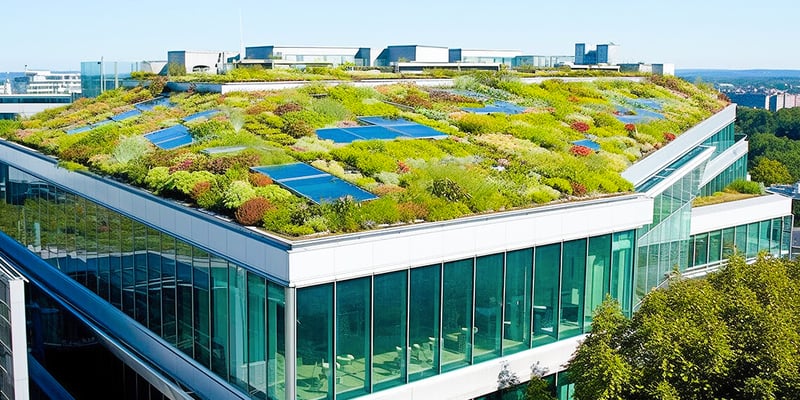
Green roofs consist of vegetation planted over a waterproofing system. They provide insulation, reduce stormwater runoff, and improve air quality. Green roofs are ideal for urban settings and offer numerous environmental benefits. For more information, visit ScienceDirect.
Installation and Maintenance Tips
Proper installation and maintenance are crucial for maximizing the benefits of sustainable roofing. Ensure your roof is installed by certified professionals and conduct regular inspections to address any issues promptly. For tips on maintaining roof drainage systems, see inspecting roof drainage.
Choosing the Right Roofing Contractor
Selecting a knowledgeable and experienced contractor is essential for the successful installation of sustainable roofing. Look for certifications, customer reviews, and an understanding of local building codes.
Certifications and Experience
A contractor with the right certifications and a track record of successful sustainable roofing projects is a valuable asset. Verify their credentials and ask for references from previous clients.
Understanding Local Codes
Your contractor should be familiar with local building codes and regulations related to sustainable roofing. For guidance on ensuring compliance, visit roof drainage compliance.
Frequently Asked Questions
What is the most durable sustainable roofing material?
Metal and slate are among the most durable roofing materials, with lifespans of 70 to over 100 years.
How do green roofs help the environment?
Green roofs reduce heat islands, improve air quality, and manage stormwater runoff, providing significant environmental benefits.
Are sustainable roofs cost-effective?
While the initial investment may be higher, sustainable roofs offer substantial savings on energy bills and maintenance over time.

Conclusion
Choosing the best roofing for sustainability is a wise decision for environmentally conscious homeowners. By understanding the options and benefits, you can make informed choices that contribute to a greener planet and a more efficient home.
This article contains affiliate links. We may earn a commission at no extra cost to you.