


Upgrading attic insulation for old homes is one of the most effective ways to improve comfort, reduce energy bills, and protect your property from temperature extremes. Many older houses were built before modern insulation standards, leaving them vulnerable to drafts, heat loss, and moisture issues. Choosing the right materials and installation methods can make a significant difference in both energy efficiency and the overall health of your living space.
This guide explores the most reliable insulation choices for attics in aging properties, how to assess your current setup, and practical steps for a successful upgrade. Whether you’re renovating or simply looking to boost your home’s performance, understanding your options is key to making informed decisions.

For homeowners interested in reducing unwanted noise as well as improving energy efficiency, consider reading about attic insulation for soundproofing to discover how insulation can help create a quieter indoor environment.
Understanding the Unique Challenges of Insulating Older Attics
Houses built before the 1980s often have little or no insulation in the attic, or they may contain outdated materials that no longer perform well. Common issues include:
- Irregular framing and non-standard joist spacing
- Obstacles such as wiring, plumbing, or old HVAC systems
- Moisture problems and poor ventilation
- Presence of hazardous materials like asbestos or vermiculite
Before selecting a new insulation solution, it’s important to assess the current state of your attic. Look for signs of water damage, mold, or pest infestations, and address these issues before proceeding. If your home contains old insulation that may be hazardous, consult a professional for safe removal.
Top Materials for Attic Insulation in Old Homes
Not all insulation products are equally suited for older properties. The best choice depends on your attic’s layout, accessibility, and existing conditions. Here are the most popular options:
1. Blown-In Cellulose: Flexible and Eco-Friendly
Blown-in cellulose is made from recycled paper treated with fire retardants. It’s a popular choice for retrofitting because it can fill irregular spaces and gaps around obstructions. This material offers good thermal performance and is relatively affordable.
- Pros: Excellent for covering uneven surfaces; good air sealing properties; environmentally friendly
- Cons: Can settle over time, reducing effectiveness; may absorb moisture if attic is not properly ventilated

2. Fiberglass Batts and Rolls: Traditional and Widely Available
Fiberglass insulation comes in batts or rolls and is one of the most common materials used in attics. It’s easy to install between standard joists but may be less effective in attics with unusual framing or lots of obstructions.
- Pros: Cost-effective; readily available; non-combustible
- Cons: Can leave gaps in irregular spaces; performance drops if compressed or installed incorrectly
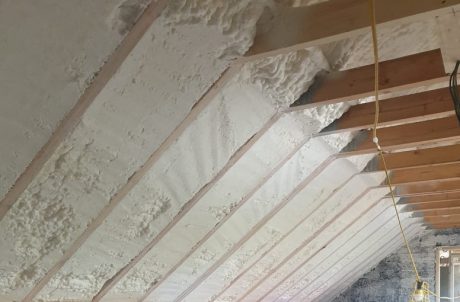
3. Spray Foam: Superior Air Sealing for Attic Retrofits
Spray foam insulation, available in open-cell and closed-cell varieties, expands to fill cracks and crevices, providing both insulation and an air barrier. This makes it highly effective for older attics with lots of leaks or hard-to-reach areas.
- Pros: Exceptional air sealing; resists moisture; high R-value per inch
- Cons: More expensive than other options; professional installation required; may not be suitable for all historic homes
4. Mineral Wool: Fire-Resistant and Durable
Mineral wool (also called rock wool) is made from spun stone fibers. It’s naturally fire-resistant, resists moisture, and provides good soundproofing. This makes it a solid choice for attics in older buildings, especially where fire safety is a concern.
- Pros: Excellent fire resistance; does not absorb water; good acoustic performance
- Cons: More expensive than fiberglass; heavier and harder to cut
How to Choose the Right Insulation for Your Attic
Selecting the best product for your attic depends on several factors:
- Attic accessibility: Tight or cluttered spaces may be better suited to blown-in or spray foam solutions.
- Existing insulation: If you already have some insulation, adding more of the same type can be cost-effective, but upgrading to a higher-performing material may offer better results.
- Budget: Fiberglass and cellulose are generally less expensive, while spray foam and mineral wool offer premium performance at a higher cost.
- Moisture and ventilation: Attics prone to dampness require materials that resist water and allow for adequate airflow.
- Local climate: Homes in colder regions benefit from higher R-values, while those in hot climates may prioritize radiant barriers or reflective insulation.
Consulting with a qualified insulation contractor can help you evaluate your attic’s needs and recommend the most suitable approach. They can also identify any underlying issues, such as air leaks or ventilation problems, that should be addressed alongside the insulation upgrade.
Installation Tips for Attic Insulation in Older Houses
Proper installation is just as important as choosing the right material. Here are some best practices to keep in mind:
- Seal air leaks around pipes, wiring, and attic hatches before adding insulation
- Ensure soffit vents and other ventilation pathways remain unobstructed
- Use vapor barriers where recommended to prevent moisture buildup
- Install insulation to the recommended depth for your climate zone
- Wear protective gear if handling fiberglass or working in dusty conditions
If you’re unsure about tackling the project yourself, hiring a professional can help ensure the job is done safely and effectively. They’ll also be familiar with local building codes and best practices for older structures.
Benefits of Upgrading Attic Insulation in Vintage Homes
Improving the thermal barrier in your attic delivers several advantages:
- Lower energy bills: Enhanced insulation reduces heating and cooling costs year-round
- Improved comfort: Fewer drafts and more stable indoor temperatures
- Better indoor air quality: Proper air sealing keeps out dust, pollen, and outdoor pollutants
- Increased home value: Energy-efficient upgrades are attractive to buyers and may boost resale value
- Protection against moisture: Quality insulation helps prevent condensation and mold growth
For more insights on how insulation can impact your daily living environment, you might find it helpful to read about how roof insulation improves comfort.
Frequently Asked Questions
What is the most cost-effective attic insulation for old homes?
Blown-in cellulose and fiberglass batts are generally the most budget-friendly options for older attics. They offer good performance and are widely available. However, the best value depends on your attic’s specific needs and whether additional air sealing or moisture control is required.
How do I know if my attic insulation needs to be replaced?
Signs that your attic insulation is no longer effective include uneven temperatures, high energy bills, visible gaps or thinning, and evidence of moisture or pest damage. If your insulation is over 20 years old or made from outdated materials, it’s worth having a professional assessment.
Can new insulation help with drafts and noise in an old house?
Yes, upgrading your attic insulation can significantly reduce drafts and improve soundproofing. Materials like spray foam and mineral wool are especially effective at sealing air leaks and dampening noise. For more details, see our article on how attic insulation reduces drafts.
Is it necessary to remove old insulation before adding new material?
Not always. If the existing insulation is dry, clean, and free of mold or pests, you can often add new material on top. However, if there are signs of damage or hazardous materials, removal and remediation are recommended before installing new insulation.
How does attic insulation interact with my HVAC system?
Proper insulation helps your HVAC system run more efficiently by reducing heat loss and gain. This can lower energy consumption and extend the lifespan of your equipment. For a deeper dive, check out our resource on how attic insulation works with HVAC.


