


The attic insulation and ventilation relationship is a critical aspect of maintaining energy efficiency and comfort in any home. Many homeowners focus on adding insulation to their attics but overlook the importance of a well-balanced ventilation system. When these two elements work in harmony, they help regulate temperature, prevent moisture buildup, and extend the lifespan of your roof and home structure.
Understanding how insulation and airflow interact is key to optimizing your attic’s performance. This guide explores the science behind their connection, the benefits of getting it right, and practical steps for achieving the best results. For those interested in related topics, you may also want to learn about attic insulation for soundproofing to further improve your home environment.
Why the Balance Between Insulation and Airflow Matters
Achieving the right balance between attic insulation and ventilation relationship is not just about energy savings. It’s about creating a stable environment that protects your home from a range of issues. Insulation acts as a barrier to heat transfer, keeping your living spaces comfortable year-round. Ventilation, on the other hand, allows fresh air to circulate and removes excess heat and moisture.
Without proper airflow, even the best insulation can trap moisture, leading to mold growth, wood rot, and reduced effectiveness. Conversely, too much ventilation without adequate insulation can make it difficult to maintain indoor temperatures, increasing heating and cooling costs. The synergy between these two systems is what keeps your attic dry, your roof healthy, and your energy bills manageable.
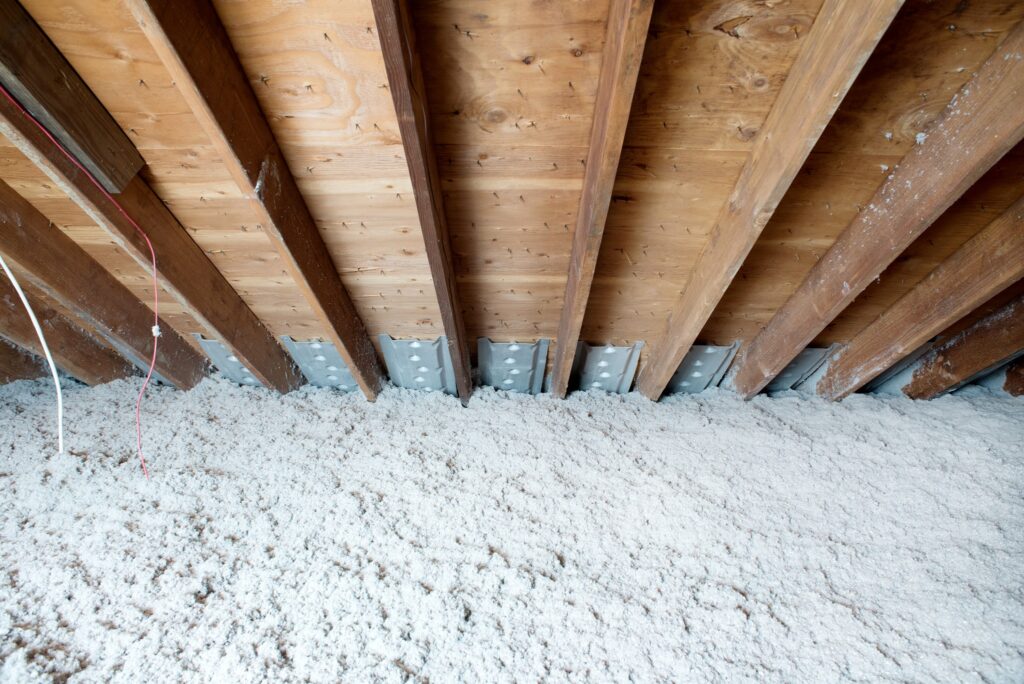
How Insulation and Ventilation Interact in the Attic
The interaction between insulation and ventilation is a dynamic process. Insulation slows the movement of heat between your attic and the rest of your home. In winter, it keeps warm air inside; in summer, it prevents heat from entering living spaces. However, as temperatures and humidity fluctuate, moisture can accumulate in the attic.
This is where ventilation comes in. By allowing air to move freely, ventilation helps expel moisture and excess heat. Soffit vents draw in cool, dry air from outside, while ridge or roof vents let hot, moist air escape. When insulation is installed correctly—without blocking these vents—it works together with ventilation to maintain a balanced, healthy attic environment.
For a deeper understanding of how insulation can impact your comfort, see our article on how roof insulation improves comfort.
Key Benefits of a Well-Managed Attic System
When insulation and ventilation are properly coordinated, homeowners enjoy several important advantages:
- Energy Efficiency: Proper insulation reduces the workload on your HVAC system, while ventilation prevents heat buildup, lowering energy bills.
- Moisture Control: Good airflow removes excess humidity, preventing mold, mildew, and structural damage.
- Roof Longevity: By keeping the attic cool and dry, you reduce the risk of ice dams and premature roof aging.
- Improved Indoor Comfort: Consistent temperatures and reduced drafts make living spaces more comfortable year-round.
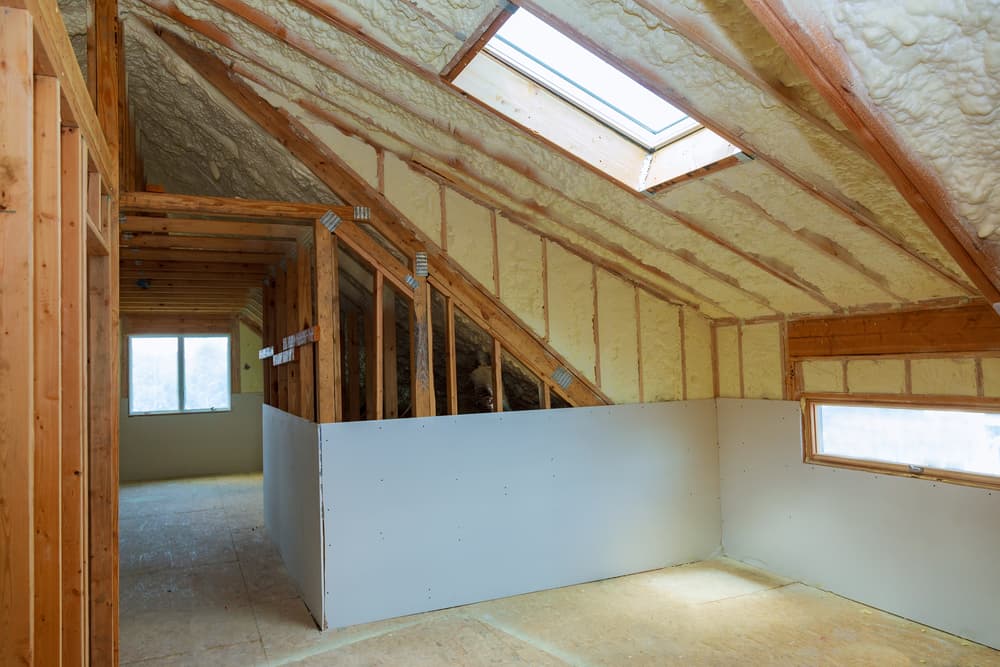
Common Problems When the Attic System Is Out of Balance
Failing to maintain the right attic insulation and ventilation relationship can lead to several issues:
- Ice Dams: In cold climates, warm air leaking into the attic can melt snow on the roof, which then refreezes at the eaves, causing water damage.
- Mold and Mildew: Trapped moisture creates the perfect environment for mold growth, which can affect air quality and damage wood framing.
- High Energy Costs: Poor insulation or insufficient ventilation forces your heating and cooling systems to work harder.
- Shortened Roof Lifespan: Excessive heat and moisture can cause shingles and roofing materials to deteriorate faster.
If you’re experiencing drafts or uneven temperatures in your home, you might find our guide on how attic insulation reduces drafts helpful.
Best Practices for Achieving Optimal Attic Performance
To maximize the benefits of your attic system, follow these practical recommendations:
- Assess Existing Insulation: Check the depth and condition of your attic insulation. Add more if it’s below recommended levels or has settled over time.
- Ensure Unblocked Vents: Make sure soffit, ridge, and gable vents are clear of insulation and debris to allow proper airflow.
- Seal Air Leaks: Use caulk or spray foam to seal gaps around pipes, wiring, and attic hatches to prevent warm air from escaping into the attic.
- Monitor Moisture Levels: Look for signs of condensation, staining, or musty odors that indicate excess humidity.
- Consult a Professional: If you’re unsure about your attic’s setup, a qualified contractor can recommend improvements tailored to your home.
For more information on preventing heat loss, read our article on how to prevent attic heat loss.
FAQ: Attic Insulation and Ventilation Explained
How do I know if my attic has the right balance of insulation and ventilation?
Signs of a well-balanced attic include consistent indoor temperatures, low energy bills, and no evidence of moisture problems such as mold or condensation. If you notice ice dams in winter, musty odors, or uneven heating and cooling, your attic system may need adjustment.
Can I add more insulation without changing my ventilation?
Adding insulation can improve energy efficiency, but it’s important not to block existing vents. Always check that airflow paths remain open. In some cases, increasing insulation may require upgrading or adding vents to maintain proper circulation.
What are the risks of poor attic airflow?
Inadequate ventilation can trap heat and moisture, leading to mold growth, wood rot, and higher energy costs. It can also shorten the lifespan of your roof and make your home less comfortable. Maintaining the right attic insulation and ventilation relationship helps avoid these problems.
Should I use attic fans to improve ventilation?
Attic fans can help in some situations, but they are not a substitute for passive ventilation systems like soffit and ridge vents. Fans should be used carefully, as they can sometimes draw conditioned air from your living spaces if the attic is not properly sealed.
Conclusion
The connection between insulation and ventilation in your attic is fundamental to a healthy, efficient home. By understanding and managing this relationship, you can prevent costly problems, enhance comfort, and protect your investment for years to come. If you’re interested in how these systems interact with your HVAC, consider reading about how attic insulation works with HVAC for further insights.


