As more homeowners look for ways to reduce energy bills and adopt sustainable practices, solar roofing has emerged as a compelling solution. By integrating photovoltaic technology directly into the roof, these systems offer a streamlined approach to harnessing solar energy. However, before making a decision, it’s essential to weigh the solar roofing pros and cons to determine if this innovative option aligns with your home’s needs and budget.
Understanding the advantages and drawbacks of solar-integrated roofs can help you make an informed investment. This article provides a comprehensive analysis of the benefits, potential limitations, and practical considerations for anyone evaluating solar roofing. For those interested in related energy-saving improvements, learning about how attic insulation prevents mold growth can further enhance your home’s efficiency and comfort.
Understanding Solar Roofing Systems
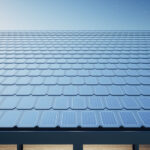
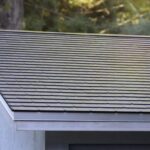
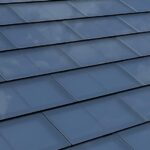
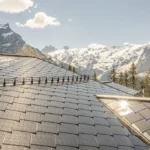
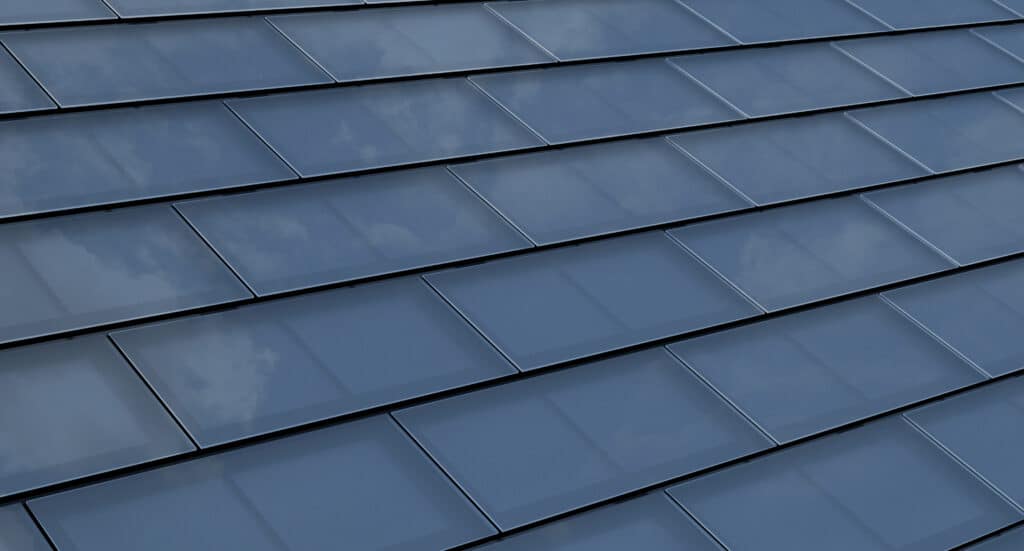
Solar roofing refers to the integration of solar technology directly into roofing materials, such as shingles or tiles. Unlike traditional solar panels that are mounted on top of an existing roof, these systems blend seamlessly with the structure, providing both weather protection and energy generation. The most common types include solar shingles, tiles, and metal roofing with embedded photovoltaic cells.
These innovative products have gained popularity for their aesthetic appeal and dual functionality. However, the decision to install them should be based on a careful review of their performance, cost, and long-term value.
Key Advantages of Solar Roofing
Homeowners considering this technology are often drawn to its range of benefits. Here are some of the most significant advantages:
- Energy Savings: By generating electricity from sunlight, solar roofs can significantly reduce monthly utility bills and protect against rising energy costs.
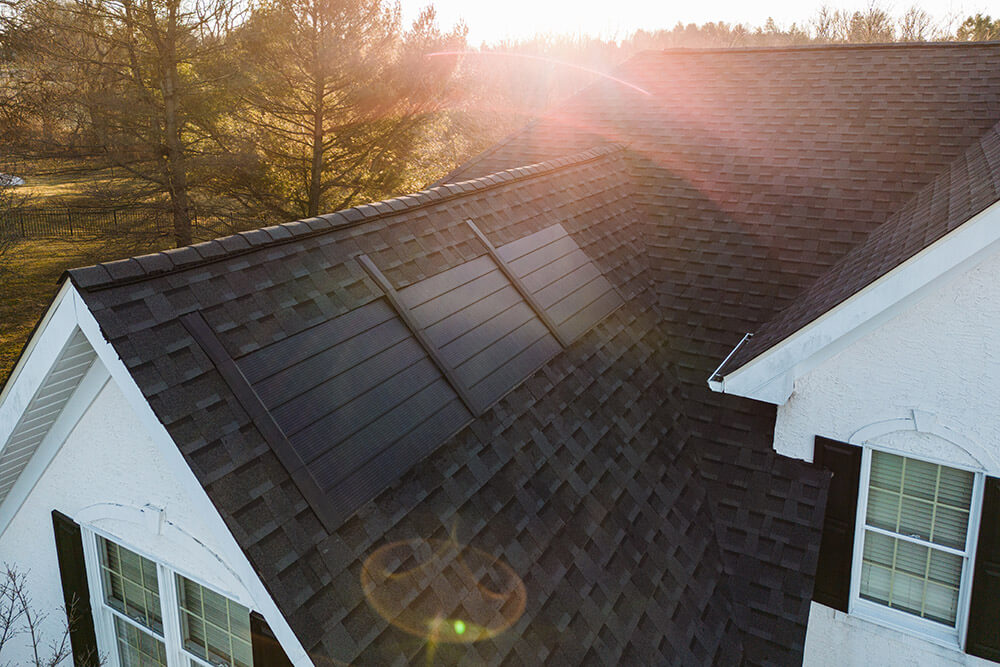
- Integrated Design: Solar shingles and tiles are designed to blend with traditional roofing materials, offering a sleek, low-profile appearance that many find more attractive than bulky panels.
- Durability: Many solar roofing products are built to withstand harsh weather, including wind, hail, and heavy rain, often matching or exceeding the lifespan of conventional roofing materials.
- Environmental Impact: By using renewable energy, homeowners can lower their carbon footprint and contribute to a cleaner environment.
- Potential Incentives: Federal, state, and local incentives may be available, helping to offset the initial investment and improve the return on investment.
Potential Drawbacks of Solar Roofs
While the benefits are substantial, it’s important to consider the possible downsides before committing to this technology. Here are some of the main challenges:
- Higher Upfront Cost: The initial investment for solar roofing is generally higher than for traditional roofing or standard solar panels, due to the advanced materials and installation expertise required.
- Complex Installation: Not all roofing contractors are experienced with these systems. Proper installation is critical for both energy production and weatherproofing, so finding a qualified installer is essential.
- Limited Product Options: While the market is growing, there are fewer manufacturers and styles available compared to conventional roofing or solar panels.
- Repair and Maintenance: If a section of the roof is damaged, repairs can be more complicated and costly than with standard materials. Specialized parts and expertise may be required.
- Efficiency Considerations: Some solar shingles and tiles may offer lower energy output compared to traditional panels, especially if your roof’s orientation or shading is less than ideal.
Comparing Solar Roofing to Traditional Solar Panels
When evaluating solar roofing pros and cons, it’s helpful to compare these systems with conventional solar panels. Traditional panels are typically more efficient and less expensive per watt, but they can be visually intrusive and may not be suitable for all roof types. Solar-integrated roofs, on the other hand, offer a more discreet appearance and can be a better choice for new construction or full roof replacements.
The choice between these options depends on your priorities—whether you value aesthetics, cost savings, or maximum energy production. For a deeper dive into the environmental and technical aspects of solar roofing, you can review this recent scientific study on solar roof performance.
Maintenance and Longevity of Solar Roofs
Proper care is essential to maximize the lifespan and efficiency of your solar-integrated roof. Most products are designed to last 25–30 years or more, with warranties often matching those of premium roofing materials. Routine cleaning and periodic inspections help maintain optimal performance. Using the right tools, such as a dedicated roof cleaning brush, can make maintenance easier and safer.
It’s also wise to periodically check your attic and insulation for signs of moisture or damage, as these can impact both your roof’s durability and your home’s energy efficiency. For guidance, see our article on how to inspect roof insulation.
Is Solar Roofing Right for Your Home?
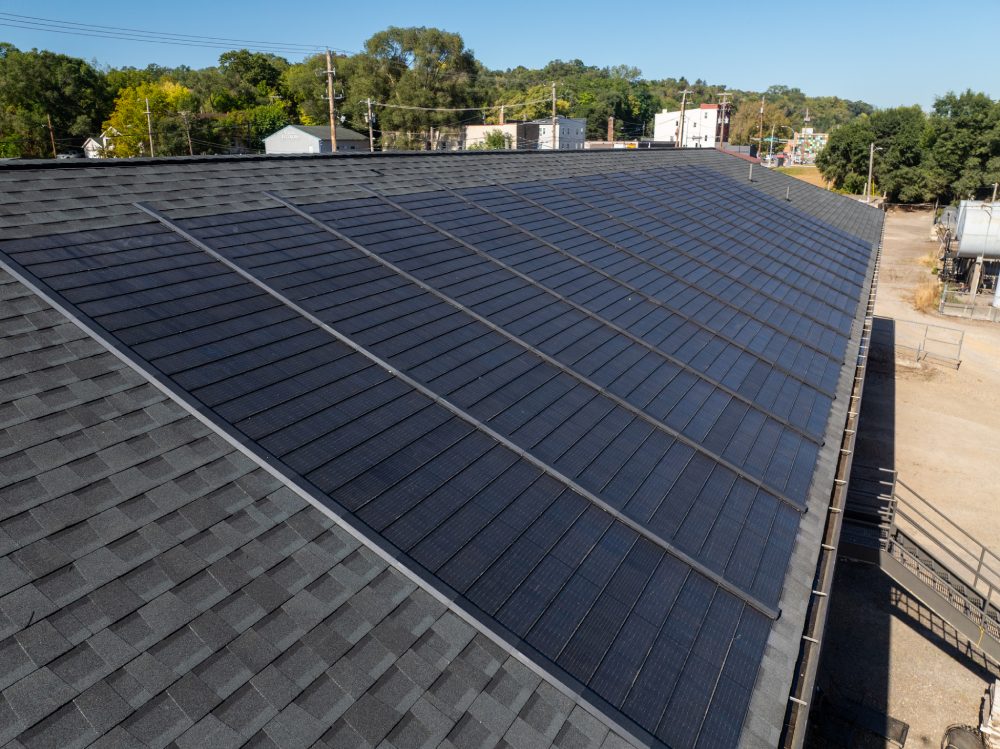
Deciding whether to invest in solar-integrated roofing depends on several factors. Consider your roof’s age and condition, local climate, sun exposure, and your long-term energy goals. If your roof is due for replacement, integrating solar technology can be a cost-effective way to upgrade both your roof and your energy system at once.
It’s also important to research local incentives and regulations, as these can significantly affect the overall cost and feasibility. Consulting with a reputable installer and reviewing your home’s specific needs will help ensure you make the best choice for your situation.
Frequently Asked Questions
How long do solar roofs typically last?
Most solar roofing products are engineered to last 25–30 years, with warranties that often cover both energy production and weather protection. Regular maintenance and prompt repairs can help maximize their lifespan.
Are solar-integrated roofs more expensive than traditional solar panels?
Yes, the upfront cost is generally higher due to the advanced materials and specialized installation required. However, the combined function of roofing and energy generation can make them cost-effective for new builds or roof replacements.
Can solar roofing be installed on any type of roof?
Solar shingles and tiles are best suited for roofs with good sun exposure and minimal shading. Some older or complex roof structures may not be ideal, so a professional assessment is recommended before installation.