As homeowners look for ways to reduce energy costs and embrace sustainability, integrating solar roofing on tile roofs has become an increasingly popular solution. Tile roofs, known for their durability and distinctive appearance, present unique opportunities and challenges when it comes to solar integration. This article provides a comprehensive overview of how solar panels and solar shingles can be installed on tile roofs, what to expect during the process, and how to make the most of your investment.
If you’re considering a switch to solar, understanding the compatibility of your existing roof and the available solar technologies is crucial. For a broader look at the topic, you may want to explore the solar roofing pros and cons to help weigh your options.
Understanding Solar Options for Tile Roofs
Tile roofs are typically made from materials like clay, concrete, or slate. Their longevity and resistance to weather make them a preferred choice in many regions. However, installing solar solutions on these roofs requires careful planning due to their weight, shape, and fragility.
There are two main approaches to adding solar to a tile roof:
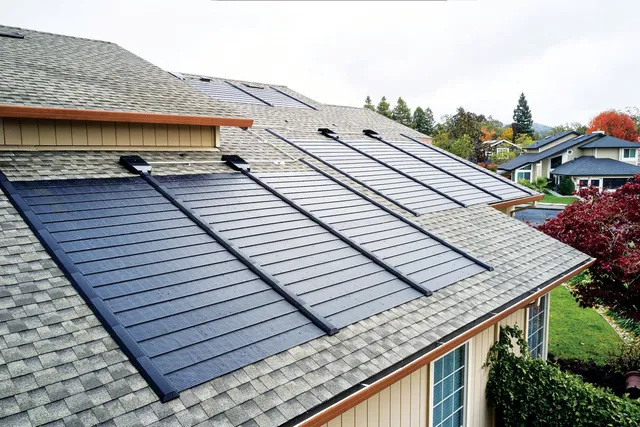
- Solar panels mounted above tiles: Traditional photovoltaic modules are attached using specialized racking systems that minimize damage to the tiles.
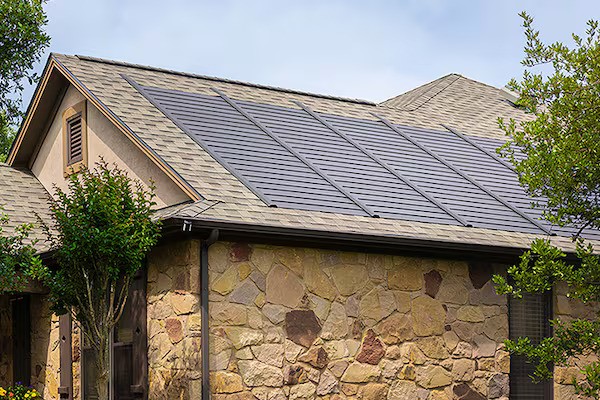
- Solar shingles or integrated solar tiles: These replace some of the existing tiles, blending in visually and providing a seamless look.
Each method has its pros and cons. For a detailed comparison, see the solar roof vs traditional solar panels article.
Benefits of Solar Installations on Tile Roofs
Choosing to install solar on a tile roof offers several key advantages:
- Energy savings: Generating your own electricity can significantly reduce utility bills over time.
- Durability: Tile roofs can last 50 years or more, which aligns well with the lifespan of most solar systems.
- Aesthetics: Solar shingles or integrated tiles maintain the classic look of your roof while adding modern functionality.
- Environmental impact: Solar energy reduces reliance on fossil fuels and lowers your carbon footprint.
Modern solar shingles are designed to withstand the same weather conditions as traditional tiles, making them a practical choice for homeowners who value both performance and style. For more on the benefits, visit the advantages of solar roof tiles guide.
Challenges and Considerations for Solar Roofing on Tile Roofs
While tile roofs are compatible with solar, there are some unique challenges to keep in mind:
- Fragility of tiles: Clay and slate tiles can crack if walked on or drilled improperly. Installers must use special mounting hardware and techniques to avoid damage.
- Complex installation: The process often requires removing and replacing some tiles, which can increase labor costs.
- Weight concerns: Both tile and solar panels are heavy. Roof structure must be assessed to ensure it can support the additional load.
- Cost: Installing solar on a tile roof is generally more expensive than on asphalt shingles due to the extra care and labor involved.
For a balanced view of the drawbacks, see the disadvantages of solar roofing resource.
Installation Process: What Homeowners Should Expect
The installation of solar on a tile roof typically follows these steps:
- Inspection and planning: A professional evaluates your roof’s condition, orientation, and structural integrity.
- Tile removal: Tiles are carefully removed where mounting brackets will be placed. Sometimes, tiles are replaced with composite or metal “dummy” tiles to provide a secure base.
- Mounting system installation: Specialized hardware is attached to the roof deck, ensuring a watertight seal.
- Panel or shingle placement: Solar modules or shingles are installed, then the removed tiles are replaced around them.
- Electrical connection: The system is wired and connected to your home’s electrical panel and, if applicable, the grid.
Working with experienced installers who understand the nuances of tile roofing is essential for a successful and long-lasting solar setup.
Cost Factors and Return on Investment
The cost of adding solar to a tile roof depends on several factors:
- Roof size and complexity: Larger, more complex roofs require more labor and materials.
- Type of solar system: Integrated solar tiles are generally more expensive than traditional panels but may offer aesthetic or maintenance advantages.
- Local incentives: Tax credits, rebates, and net metering policies can offset upfront costs and improve long-term savings.
- Condition of existing roof: If your tile roof is nearing the end of its life, it may be wise to replace or repair it before installing solar.
According to this overview of solar shingle pros and cons, the payback period for solar roofing can range from 7 to 15 years, depending on energy usage and local rates. Over the system’s lifetime, homeowners can save thousands on electricity bills while increasing property value.
Maintenance and Longevity of Solar on Tile Roofs
Maintenance for solar systems on tile roofs is generally minimal. Occasional cleaning to remove dust and debris helps maintain efficiency. It’s important to use proper tools, such as a soft brush, to avoid damaging the tiles or panels.
Both tile roofs and solar modules are built to last for decades. When installed correctly, the underlying roof should remain protected from leaks and weather damage. If repairs are needed, individual tiles or panels can often be replaced without disturbing the rest of the system.
Frequently Asked Questions
Can any tile roof support solar panels or solar shingles?
Most tile roofs can accommodate solar, but a structural assessment is necessary to ensure the roof can handle the additional weight. Some older or damaged roofs may require repairs or reinforcement before installation.
Will installing solar damage my tile roof?
When performed by experienced professionals, solar installation should not damage your tile roof. Installers use specialized mounting systems and techniques to avoid cracking or breaking tiles. In some cases, tiles are temporarily removed and replaced with more durable mounting bases.
How do solar shingles compare to traditional panels on tile roofs?
Solar shingles are designed to blend in with the existing roof, offering a more seamless appearance. They tend to be more expensive and may have slightly lower efficiency than traditional panels, but they are an attractive option for homeowners prioritizing aesthetics.
Are there any special maintenance needs for solar on tile roofs?
Maintenance is similar to other solar installations: periodic cleaning and inspections are recommended. Care should be taken to avoid damaging the tiles during cleaning or servicing.
Conclusion
Integrating solar roofing on tile roofs is a practical way to enhance your home’s energy efficiency while maintaining its architectural character. With the right planning and professional installation, you can enjoy the benefits of renewable energy for decades. For those seeking a deeper understanding of insulation and home comfort, the article on how attic insulation affects comfort in winter offers additional insights.