


Choosing the right material for your attic or roof can make a significant difference in your home’s comfort and energy efficiency. With so many options available, understanding the main roof insulation types explained is essential for homeowners looking to improve their living environment, reduce utility bills, and extend the life of their roofing system. This guide breaks down the most common insulation materials, their pros and cons, and key considerations for making an informed decision.
Before diving into the details, it’s important to recognize that proper installation and regular upkeep are just as crucial as selecting the right product. If you’re interested in keeping your insulation in top shape throughout the year, check out our guide on attic insulation seasonal maintenance for practical tips.

Understanding the Main Categories of Roof Insulation
There are several ways to insulate a roof, each with unique characteristics and benefits. The primary categories include batt and roll, loose-fill, spray foam, and rigid board insulation. Each type is suited for different roof structures, climates, and homeowner preferences.
Batt and Roll Insulation: A Popular Choice for Attics
Batt and roll insulation, often made from fiberglass or mineral wool, is one of the most widely used options for residential roofs. These products come in pre-cut panels or rolls that fit snugly between rafters, joists, or studs.
- Advantages: Easy to install, cost-effective, and readily available at most hardware stores.
- Drawbacks: Gaps or compression during installation can reduce effectiveness. Not ideal for irregularly shaped spaces.
Fiberglass batts are non-combustible and resistant to moisture, while mineral wool offers superior fire resistance and soundproofing. Both types provide solid thermal performance when installed correctly.
Loose-Fill and Blown-In Insulation: Filling Every Gap
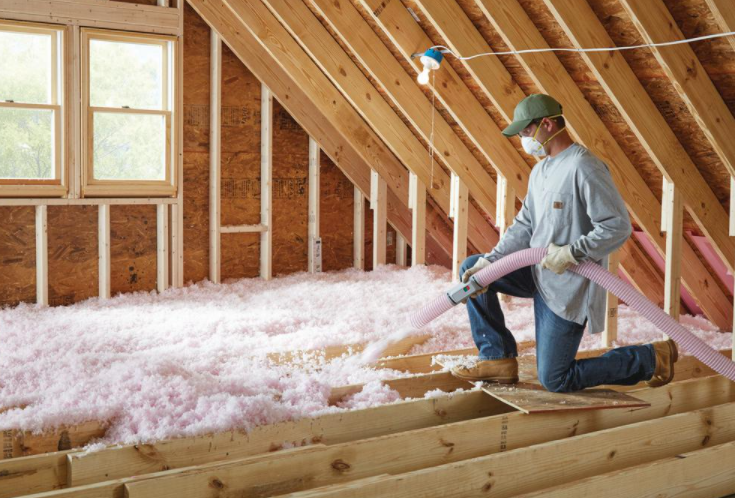
Loose-fill insulation, typically made from cellulose, fiberglass, or mineral wool, is installed using a blowing machine. This method is excellent for attics with irregular shapes, obstructions, or hard-to-reach areas.
- Advantages: Fills gaps and voids thoroughly, making it ideal for retrofitting older homes or topping up existing insulation.
- Drawbacks: Requires specialized equipment for installation. Settling over time can reduce effectiveness if not properly maintained.
Cellulose, made from recycled paper treated for fire resistance, is a sustainable choice. Fiberglass and mineral wool versions offer similar thermal performance with added resistance to moisture and pests.

Spray Foam Insulation: High Performance for Modern Homes
Spray foam insulation is a versatile solution that expands to fill cavities and create an air-tight seal. Available in open-cell and closed-cell formulations, spray foam delivers excellent thermal resistance and can help control moisture and air leakage.
- Advantages: Superior air sealing, high R-value per inch, and effective moisture barrier. Great for complex roof shapes and hard-to-reach areas.
- Drawbacks: Higher upfront cost and requires professional installation. Some products may off-gas during curing.
Open-cell spray foam is lighter and more flexible, making it suitable for interior applications. Closed-cell foam is denser, providing structural reinforcement and a stronger vapor barrier.
Rigid Foam Board: Durable and Moisture-Resistant
Rigid foam boards, such as polyisocyanurate, extruded polystyrene (XPS), or expanded polystyrene (EPS), are commonly used above or below the roof deck. These boards offer high insulating value and excellent resistance to moisture.
- Advantages: High R-value per inch, moisture resistance, and can add structural strength to the roof assembly.
- Drawbacks: More expensive than batt or loose-fill options. Installation can be more complex, especially in retrofit projects.
Rigid boards are often used in combination with other insulation types for maximum efficiency, especially in flat or low-slope roof designs.
Key Factors to Consider When Selecting Insulation
When evaluating different roof insulation types, several factors should guide your decision:
- Climate: Colder regions benefit from higher R-values, while hot climates may require materials with better radiant heat resistance.
- Roof Structure: The shape and accessibility of your attic or roof space can determine which insulation method is most practical.
- Budget: Material and installation costs vary widely. Consider both upfront investment and long-term energy savings.
- Moisture Control: Some products offer better resistance to water and mold, which is critical in humid or leak-prone areas.
- Fire Safety: Materials like mineral wool provide added fire resistance, which may be important depending on local building codes.
- Environmental Impact: Recycled and sustainable materials, such as cellulose, can reduce your home’s carbon footprint.
It’s also wise to think about future maintenance. For guidance on keeping your insulation performing at its best, see our article on how to maintain attic insulation.
Installation and Maintenance Tips for Homeowners
Proper installation is essential for maximizing the effectiveness of any insulation product. Here are a few tips to ensure your project delivers the best results:
- Seal air leaks before installing insulation to prevent drafts and energy loss.
- Follow manufacturer guidelines for thickness and coverage to achieve the recommended R-value.
- Wear protective gear when handling fiberglass or mineral wool to avoid irritation.
- Check for signs of moisture or pest damage regularly, and address issues promptly to maintain performance.
- Consider hiring a professional for spray foam or complex installations to ensure safety and compliance with building codes.
Regular inspections can help you spot issues early. If you’re unsure how to check your attic’s condition, our step-by-step guide on how to inspect attic insulation can walk you through the process.
Common Issues and When to Replace Your Insulation
Over time, even the best insulation materials can degrade or become less effective. Common problems include settling, moisture intrusion, pest infestations, and physical damage. These issues can compromise your home’s comfort and energy efficiency.
If you notice uneven temperatures, increased energy bills, or visible deterioration, it may be time to consider replacement. For a detailed list of warning signs, visit our resource on attic insulation replacement signs.
Addressing problems promptly can help you avoid costly repairs and maintain a healthy indoor environment. For troubleshooting tips, our article on attic insulation common problems covers the most frequent issues and their solutions.
Frequently Asked Questions
What is the most energy-efficient type of roof insulation?
Spray foam insulation is often considered the most energy-efficient due to its high R-value and ability to create an air-tight seal. However, rigid foam boards and properly installed loose-fill insulation can also deliver excellent thermal performance when matched to your home’s needs.
How often should roof insulation be replaced?
The lifespan of insulation depends on the material and environmental conditions. Fiberglass and mineral wool can last 20–30 years or more if kept dry and undisturbed. Cellulose may need replacement sooner if exposed to moisture. Regular inspections help determine when replacement is necessary.
Can I install new insulation over old insulation?
In many cases, adding new insulation on top of existing material is possible, provided the old insulation is dry, mold-free, and not compressed. It’s important to avoid blocking ventilation and to follow local building codes for safe installation.


