


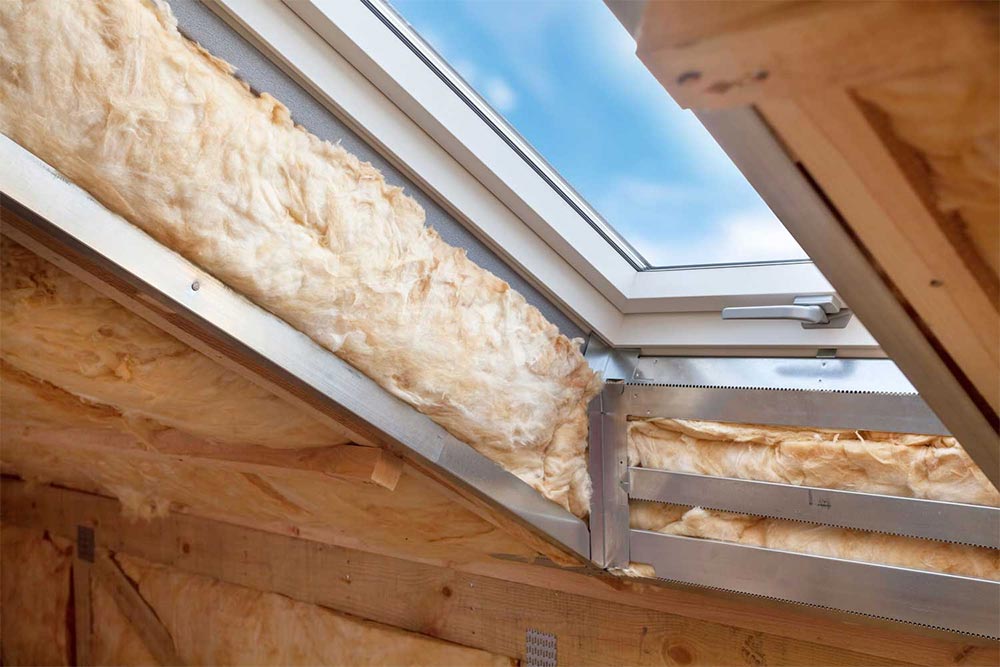
When considering home energy efficiency and comfort, the longevity and performance of your roof insulation are crucial. The roof insulation lifespan determines not only how well your home stays warm in winter and cool in summer, but also how much you spend on energy bills over the years. Knowing what affects the durability of insulation materials, how to recognize signs of wear, and how to extend their useful life can save homeowners significant time and money.
This guide explores the key factors that influence how long insulation lasts, the typical lifespans of common materials, and practical steps you can take to ensure your attic and roof insulation remain effective for as long as possible. For those interested in keeping their attic insulation in optimal condition, it’s helpful to review resources like attic insulation seasonal maintenance for actionable tips.
What Determines How Long Roof Insulation Lasts?
The expected lifespan of roof insulation depends on several variables. Material type, installation quality, climate, and ongoing maintenance all play significant roles. While some insulation products can last for decades, others may need attention or replacement sooner due to environmental or structural factors.
- Material Quality: Higher-grade insulation materials tend to resist moisture, pests, and compression better than cheaper alternatives.
- Installation: Proper installation ensures full coverage and prevents gaps, which can otherwise reduce effectiveness and shorten the insulation’s useful life.
- Moisture Exposure: Water leaks or condensation can degrade insulation rapidly, leading to mold, reduced R-value, and eventual replacement needs.
- Pest Activity: Rodents and insects can nest in or damage insulation, especially in attics, reducing its performance.
- Regular Maintenance: Periodic inspections and prompt repairs help catch problems early and extend the insulation’s service life.
Typical Lifespans of Common Roof Insulation Materials
Different insulation types have varying durability profiles. Here’s a look at how long you can expect popular materials to last under normal conditions:
| Insulation Material | Average Lifespan | Durability Notes |
|---|---|---|
| Fiberglass Batts | 20–30 years | Can last longer if kept dry and undisturbed; prone to moisture damage. |
| Spray Foam | 30–80 years | Highly durable, resists moisture and pests, but sensitive to UV exposure if not covered. |
| Cellulose | 20–30 years | Eco-friendly, but can settle over time and is vulnerable to moisture. |
| Mineral Wool | 30–50 years | Excellent fire resistance and moisture tolerance; maintains shape well. |
| Rigid Foam Boards | 30–50 years | Long-lasting, but edges must be sealed to prevent air leaks. |
These estimates assume that the insulation is installed correctly and protected from water, pests, and physical disturbance. In real-world conditions, the actual roof insulation lifespan can vary.
Factors That Shorten or Extend Insulation Life
Even the most durable insulation can degrade prematurely if exposed to certain risks. Here are some of the main factors that impact how long your insulation will remain effective:
- Moisture and Leaks: Water is the leading cause of early insulation failure. Leaks from the roof or condensation in the attic can cause mold, mildew, and a dramatic drop in thermal performance.
- Pest Infestation: Rodents, birds, and insects can nest in insulation, compressing or contaminating the material and reducing its effectiveness.
- Physical Disturbance: Walking on insulation, storing items in the attic, or renovations can compress or displace material, creating gaps and reducing R-value.
- UV Exposure: Some insulation types, such as spray foam, degrade if exposed to sunlight. Proper covering and sealing are essential.
- Settling and Compaction: Loose-fill materials like cellulose can settle over time, reducing coverage and effectiveness.
To maximize the durability of your insulation, address any roof leaks promptly and schedule regular inspections. For practical advice on keeping your attic insulation in top shape, see this resource on how to maintain attic insulation.
How to Check If Your Roof Insulation Needs Attention
Recognizing when your insulation is no longer performing as it should is key to maintaining a comfortable and energy-efficient home. Some warning signs include:
- Noticeable temperature fluctuations between rooms or floors
- Increasing energy bills without a clear cause
- Drafts or cold spots in the attic or upper floors
- Visible mold, mildew, or dampness in the attic
- Compressed, discolored, or damaged insulation material
If you spot any of these issues, it’s wise to perform a thorough inspection. For step-by-step guidance, refer to this article on how to inspect attic insulation.

Ways to Extend the Useful Life of Your Insulation
Proactive care can help your roof insulation last as long as possible. Here are some practical steps to boost longevity:
- Prevent Moisture Intrusion: Regularly check for roof leaks, ensure proper attic ventilation, and address condensation issues promptly.
- Seal Gaps and Cracks: Air leaks around vents, chimneys, and attic hatches can let in moisture and pests. Use caulk or weatherstripping to seal these areas.
- Discourage Pests: Keep the attic clean, store food elsewhere, and inspect for signs of rodents or insects. Address infestations quickly.
- Avoid Disturbing Insulation: Limit attic storage and avoid stepping on insulation to prevent compression and displacement.
- Schedule Regular Inspections: Annual or seasonal checks can catch small problems before they become major issues. For more on this, review common attic insulation common problems and solutions.
If your insulation is nearing the end of its expected service life, or if you notice persistent performance issues, it may be time to consider replacement. Learn about the attic insulation replacement signs to know when action is needed.
Frequently Asked Questions
How often should roof insulation be replaced?
Most insulation materials last between 20 and 80 years, depending on type and conditions. However, if you notice signs of moisture damage, pest infestation, or a significant drop in comfort or energy efficiency, replacement may be needed sooner. Regular inspections are the best way to determine when it’s time for an upgrade.
Can you add new insulation over old insulation?
In many cases, you can add new insulation on top of existing material, provided the old insulation is dry, clean, and free of mold or pests. However, if the original insulation is wet, compacted, or contaminated, it should be removed before installing new layers to avoid trapping moisture or pests.
What is the best way to maintain roof insulation?
The most effective maintenance strategies include keeping the attic dry, sealing air leaks, preventing pest access, and avoiding unnecessary disturbance of the insulation. Scheduling regular inspections and addressing issues promptly will help maximize the roof insulation lifespan and performance.


