


Choosing the right roof insulation for flat roofs is essential for maintaining energy efficiency, preventing leaks, and extending the lifespan of your building. Flat roofing systems pose unique challenges compared to pitched roofs, including increased exposure to weather and a greater risk of water pooling. The right insulation not only helps regulate indoor temperatures but also protects the structure from moisture and thermal stress. In this guide, we’ll explore the most effective materials and installation methods, helping you make informed decisions for your property.
Proper insulation can also reduce your energy bills and improve comfort year-round. Whether you’re planning a new build or upgrading an existing roof, understanding your options is the first step toward a more efficient and durable flat roof. For those interested in maintaining insulation performance over time, you may also find value in learning about how to maintain attic insulation for long-term results.
Understanding the Importance of Flat Roof Insulation
Flat roofs are more susceptible to heat loss and moisture ingress than sloped roofs. Without adequate insulation, buildings can experience significant temperature fluctuations, condensation problems, and even structural damage. Effective roof insulation for flat roofs acts as a barrier, reducing heat transfer and helping to maintain a comfortable indoor environment.
Insulation also plays a key role in managing energy consumption. By minimizing heat loss in winter and heat gain in summer, it lowers the demand on heating and cooling systems. This not only saves money but also reduces the building’s carbon footprint. Additionally, proper insulation can help prevent issues like ice dams, mold growth, and premature roof deterioration.
Common Types of Insulation Materials for Flat Roofs
There are several insulation materials commonly used for flat roofs, each with distinct advantages and considerations. The choice often depends on factors such as budget, climate, roof structure, and desired thermal performance.
- Polyisocyanurate (PIR) Boards: Known for their high thermal resistance, PIR boards are lightweight and easy to install. They offer excellent insulation values and are often used in commercial and residential flat roofs.
- Extruded Polystyrene (XPS): XPS boards are moisture-resistant and durable, making them suitable for roofs exposed to heavy rainfall or standing water. They provide consistent performance and are often used in inverted roof systems.
- Expanded Polystyrene (EPS): EPS is a cost-effective option with good thermal properties. While less moisture-resistant than XPS, it is still widely used in flat roofing applications.
- Mineral Wool: This material offers excellent fire resistance and sound insulation. It is heavier than foam boards but provides robust protection against both temperature extremes and noise.
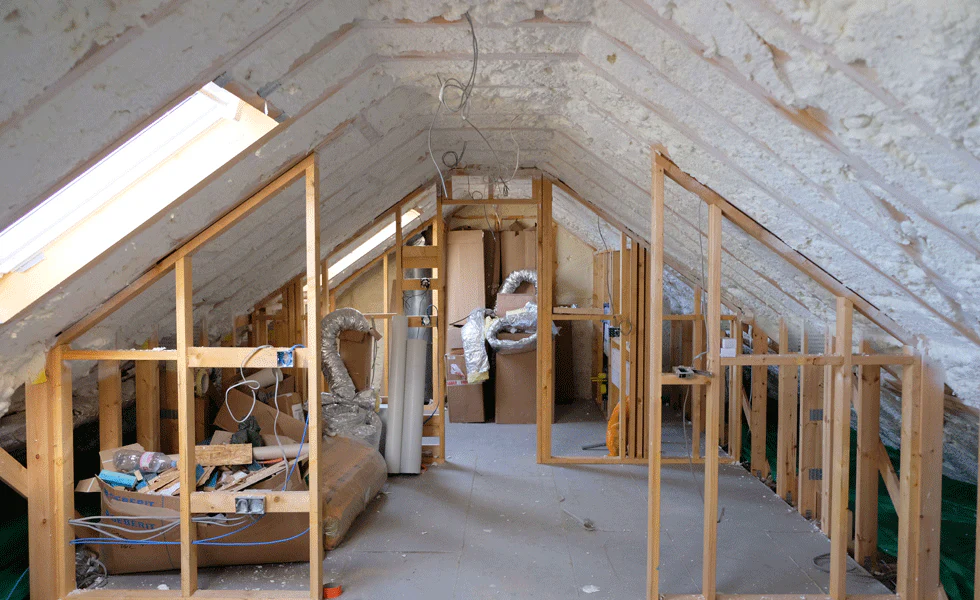
- Spray Foam Insulation: Applied as a liquid that expands into a solid foam, spray insulation creates a seamless, airtight barrier. It is ideal for irregular surfaces and hard-to-reach areas.

Installation Methods: Warm Roof vs. Cold Roof
The way insulation is installed on a flat roof has a significant impact on its effectiveness. There are two main approaches: the warm roof and the cold roof method.
Warm Roof Construction
In a warm roof system, the insulation is placed above the structural deck and below the waterproof membrane. This keeps the entire roof structure warm, reducing the risk of condensation and thermal bridging. Warm roof construction is the most common and recommended method for modern flat roofs due to its superior energy efficiency and moisture control.
Cold Roof Construction
With a cold roof, insulation is installed between or below the roof joists, leaving the deck exposed to external temperatures. While this method is less expensive, it can lead to condensation problems and is generally less effective at preventing heat loss. Cold roof systems are now less common and typically used only in specific retrofit situations.
Key Considerations When Selecting Insulation
When evaluating roof insulation for flat roofs, consider the following factors to ensure optimal performance and longevity:
- Thermal Performance (R-value): Higher R-values indicate better insulation. Choose a material that meets or exceeds local building code requirements for your climate zone.
- Moisture Resistance: Flat roofs are prone to water pooling, so select insulation that resists water absorption and maintains its properties when wet.
- Fire Safety: Some materials, like mineral wool, offer enhanced fire resistance, which may be important for certain buildings.
- Load-Bearing Capacity: Consider the weight of the insulation and its ability to support foot traffic or rooftop equipment.
- Installation Complexity: Some options, such as spray foam, require professional installation, while boards can often be fitted by experienced DIYers.
- Cost: Balance upfront costs with long-term energy savings and durability.
Benefits of Upgrading Flat Roof Insulation
Investing in high-quality insulation for a flat roof delivers several long-term advantages:
- Lower Energy Bills: Improved thermal performance reduces heating and cooling costs.
- Enhanced Comfort: Consistent indoor temperatures make living and working spaces more comfortable.
- Moisture Protection: Effective insulation helps prevent condensation, leaks, and mold growth.
- Extended Roof Life: By minimizing thermal stress and moisture damage, insulation can prolong the lifespan of the roof structure.
- Environmental Impact: Reduced energy usage lowers greenhouse gas emissions.
For those interested in seasonal upkeep, check out these attic insulation seasonal maintenance tips, which can also be applied to flat roof insulation care.
Maintenance Tips for Flat Roof Insulation
Even the best insulation materials require periodic inspection and maintenance to ensure continued performance. Here are some practical tips:
- Regular Inspections: Check for signs of water ingress, mold, or damage, especially after severe weather.
- Address Leaks Promptly: Repair any roof leaks immediately to prevent insulation from becoming saturated.
- Monitor Indoor Conditions: Watch for unexplained drafts, temperature swings, or increased energy bills, which may indicate insulation issues.
- Professional Assessments: Schedule periodic evaluations by a roofing professional to catch problems early.
If you notice any attic insulation replacement signs such as persistent dampness or sagging, similar issues can occur with flat roof insulation and should be addressed quickly.
Frequently Asked Questions
What is the best type of insulation for a flat roof?
The best option depends on your specific needs and budget. Polyisocyanurate (PIR) boards offer high thermal performance and are widely used, while spray foam provides a seamless, airtight barrier ideal for complex roof shapes. Mineral wool is excellent for fire resistance and sound insulation. Consult with a roofing expert to determine the most suitable material for your project.
Can I install flat roof insulation myself?
Some insulation types, such as rigid boards, can be installed by experienced DIYers. However, materials like spray foam require professional application for safety and effectiveness. Always follow manufacturer guidelines and local building codes.
How often should flat roof insulation be inspected?
Insulation should be checked at least once a year, and after any major weather events. Look for signs of moisture, mold, or physical damage. Regular maintenance helps ensure long-term performance and can prevent costly repairs.
Does upgrading insulation improve energy efficiency?
Yes, upgrading to modern, high-performance insulation can significantly reduce heat loss and lower energy bills. It also improves indoor comfort and can increase the value of your property.
For more information on common challenges and solutions, see this article on attic insulation common problems, many of which are relevant to flat roof systems as well.


