Managing roof insulation and attic airflow is essential for keeping your home energy efficient, comfortable, and protected from moisture-related issues. Many homeowners overlook the impact that proper insulation and ventilation have on heating and cooling costs, as well as on the longevity of their roofing system. Understanding how these two elements work together can help you make informed decisions about upgrades, maintenance, and troubleshooting common problems.
In this guide, we’ll break down the basics of attic insulation, explain why airflow is just as important, and offer practical tips for achieving the right balance. You’ll also find advice on recognizing issues, maintaining your attic’s performance, and where to find more in-depth resources, such as attic insulation seasonal maintenance tips.
Understanding the Role of Attic Insulation
Attic insulation acts as a barrier that slows the transfer of heat between your living space and the outside environment. In winter, it keeps warm air inside; in summer, it helps block heat from entering. The effectiveness of insulation is measured by its R-value, which indicates its resistance to heat flow. The higher the R-value, the better the material insulates.
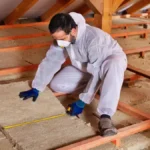
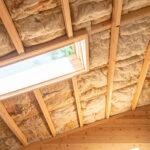
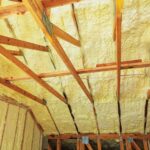
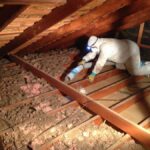
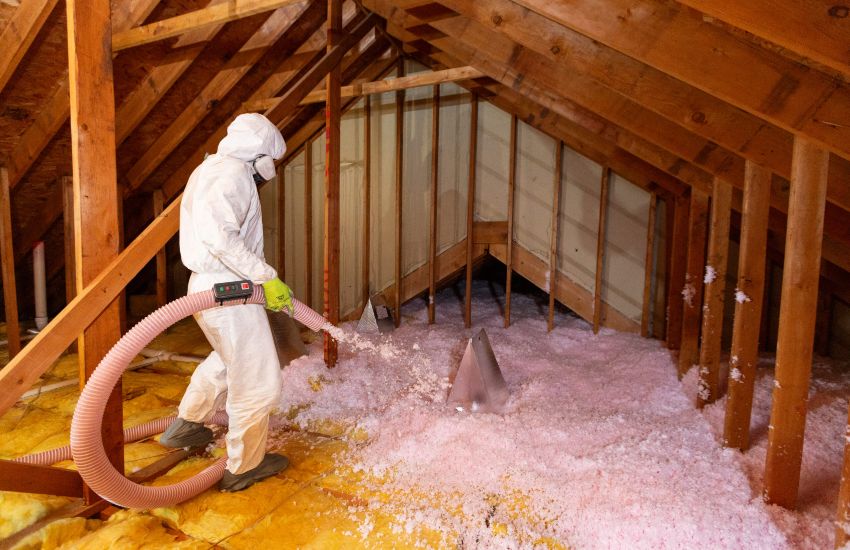
Common types of insulation used in attics include fiberglass batts, blown-in cellulose, and spray foam. Each has its own advantages in terms of cost, installation, and performance. Regardless of the material, the goal is to create a uniform layer that covers the entire attic floor without gaps or compression.

Why Proper Attic Ventilation Matters
While insulation is crucial for energy efficiency, attic airflow is equally important for maintaining a healthy roof structure. Ventilation allows fresh air to enter and stale, moist air to exit. This exchange helps regulate temperature, reduce humidity, and prevent problems like condensation, mold growth, and ice dams.
A well-ventilated attic typically features a combination of intake vents (such as soffit vents) and exhaust vents (like ridge or gable vents). This setup creates a continuous flow of air, which helps keep the attic space close to the outside temperature and minimizes the risk of moisture buildup.
How Roof Insulation and Airflow Work Together
Achieving the right balance between roof insulation and attic airflow is key to maximizing your home’s comfort and efficiency. Too much insulation without adequate ventilation can trap moisture, leading to structural damage and reduced air quality. On the other hand, excessive ventilation with insufficient insulation can increase energy loss and raise utility bills.
The best approach is to ensure that insulation is installed without blocking airflow from soffit vents. Baffles or vent chutes can be used to maintain a clear path for air while keeping insulation in place. This combination helps your attic stay dry, prevents heat buildup, and supports the overall health of your roofing system.
Signs of Problems with Insulation or Ventilation
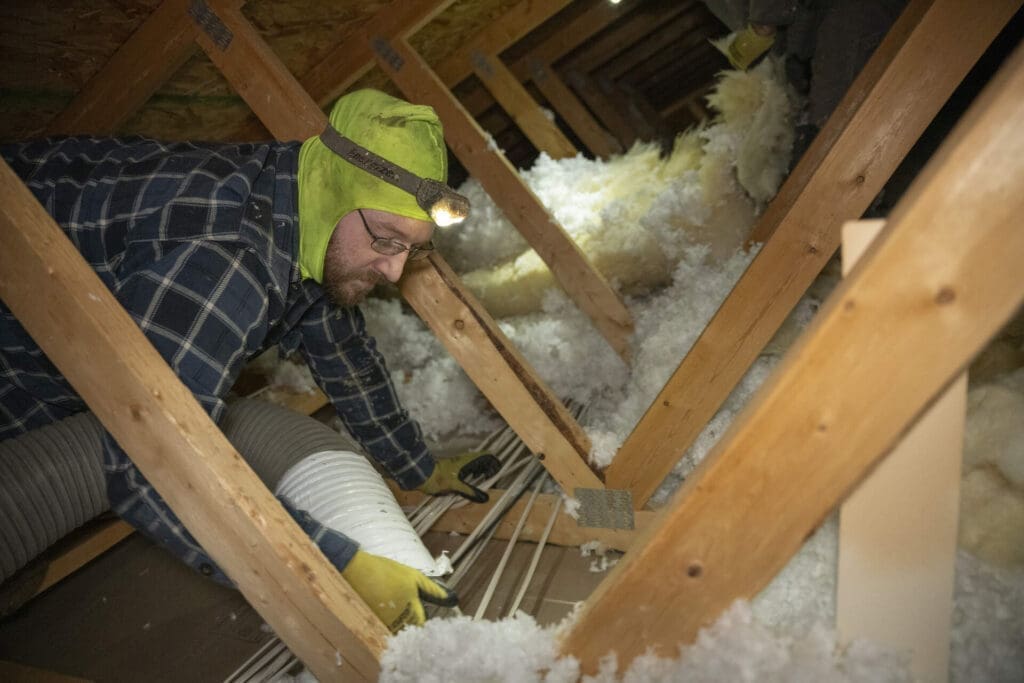
Identifying issues early can save you from costly repairs and discomfort. Some common warning signs that your attic’s insulation or ventilation may need attention include:
- Uneven temperatures in different rooms or floors of your home
- High energy bills, especially during extreme weather
- Visible mold, mildew, or water stains in the attic
- Ice dams forming on the roof in winter
- Musty odors or signs of condensation on rafters or insulation
If you notice any of these symptoms, it’s a good idea to perform a thorough inspection. For guidance, check out this resource on how to inspect attic insulation for step-by-step instructions.
Improving Your Attic’s Performance
Enhancing both insulation and airflow can make a significant difference in your home’s comfort and efficiency. Here are some practical steps to consider:
- Seal Air Leaks: Before adding insulation, seal gaps around pipes, wiring, and attic hatches to prevent air from bypassing the insulation layer.
- Upgrade Insulation: If your attic’s R-value is below recommended levels for your climate, consider adding more material or replacing old, compressed insulation.
- Install or Clear Vents: Make sure soffit and ridge vents are unobstructed. Use baffles to keep insulation from blocking airflow.
- Monitor Moisture: Use a hygrometer to track humidity levels in the attic. Address leaks or sources of moisture promptly.
- Schedule Regular Maintenance: Inspect your attic at least once a year, or after severe weather, to catch issues early. For more advice, see this article on how to maintain attic insulation.
Common Attic Insulation and Ventilation Mistakes
Even well-intentioned homeowners can make mistakes when upgrading their attic. Some frequent errors include:
- Blocking soffit vents with insulation, which restricts airflow
- Using the wrong type or amount of insulation for the climate
- Neglecting to seal air leaks before insulating
- Over-ventilating, which can draw conditioned air out of the home
- Ignoring signs of moisture or pest activity in the attic
If you’re unsure about the best approach, consult a professional or review resources on attic insulation common problems for troubleshooting tips.
When to Replace or Upgrade Attic Insulation
Insulation doesn’t last forever. Over time, it can settle, become compressed, or lose effectiveness due to moisture or pest damage. Some clear indicators that it’s time for an upgrade include:
- Visible gaps or thin spots in the insulation layer
- Persistent drafts or cold spots in the home
- Frequent ice dams or roof leaks
- Insulation that feels damp or smells musty
If you encounter these issues, review the attic insulation replacement signs to determine if a full replacement is necessary.
FAQ: Roof Insulation and Attic Airflow
How much insulation should my attic have?
The recommended amount of insulation depends on your climate zone. In most regions, attics should have an R-value between R-38 and R-60. Check local building codes or consult a professional for specific recommendations.
Can I add new insulation over old insulation?
Yes, as long as the existing insulation is dry and free from mold or pest damage. Avoid compressing the old material, and make sure not to block ventilation paths when adding new layers.
What’s the best way to improve attic ventilation?
The most effective approach is to combine intake vents (like soffit vents) with exhaust vents (such as ridge or gable vents). This setup creates a balanced airflow that helps regulate temperature and moisture.
How often should I inspect my attic insulation and ventilation?
It’s wise to check your attic at least once a year, ideally before extreme weather seasons. Look for signs of moisture, damage, or airflow blockages, and address any issues promptly.
Will better attic insulation and airflow lower my energy bills?
Absolutely. Proper insulation and ventilation work together to reduce heat loss in winter and heat gain in summer, which can significantly cut heating and cooling costs.