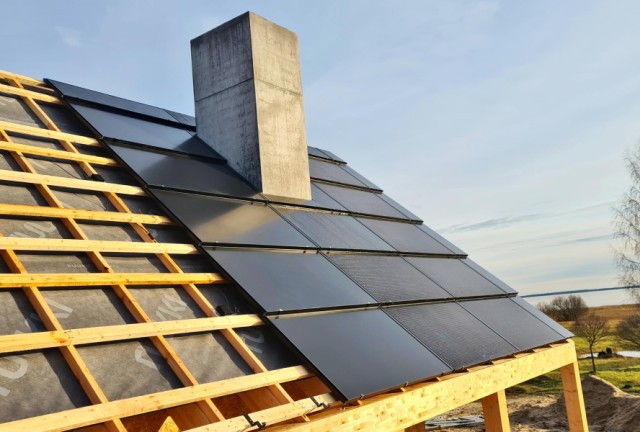
As the demand for sustainable energy solutions grows, more homeowners and businesses are exploring ways to generate electricity directly from their rooftops. Hybrid solar roofing systems have emerged as a practical and efficient option, combining the benefits of traditional roofing materials with integrated solar technology. These innovative systems not only help reduce energy bills but also contribute to a lower carbon footprint and increased property value.
If you’re considering a solar upgrade, it’s important to understand how these advanced roofing solutions work, what sets them apart from conventional solar panels, and what factors to weigh before installation. For those interested in the structural impact of solar installations, you may also want to review solar roofing weight considerations to ensure your roof is ready for the change.
What Are Hybrid Solar Roofing Solutions?
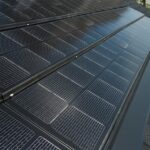
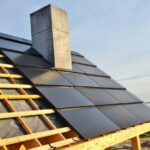
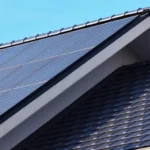
At their core, hybrid solar roofing systems blend conventional roofing materials—such as asphalt shingles, tiles, or metal—with photovoltaic (PV) technology. Unlike traditional solar panels that are mounted on top of an existing roof, these systems integrate solar cells directly into the roofing material itself. This seamless approach offers a more streamlined appearance and can provide additional weatherproofing benefits.
There are two main types of hybrid solar roofs:
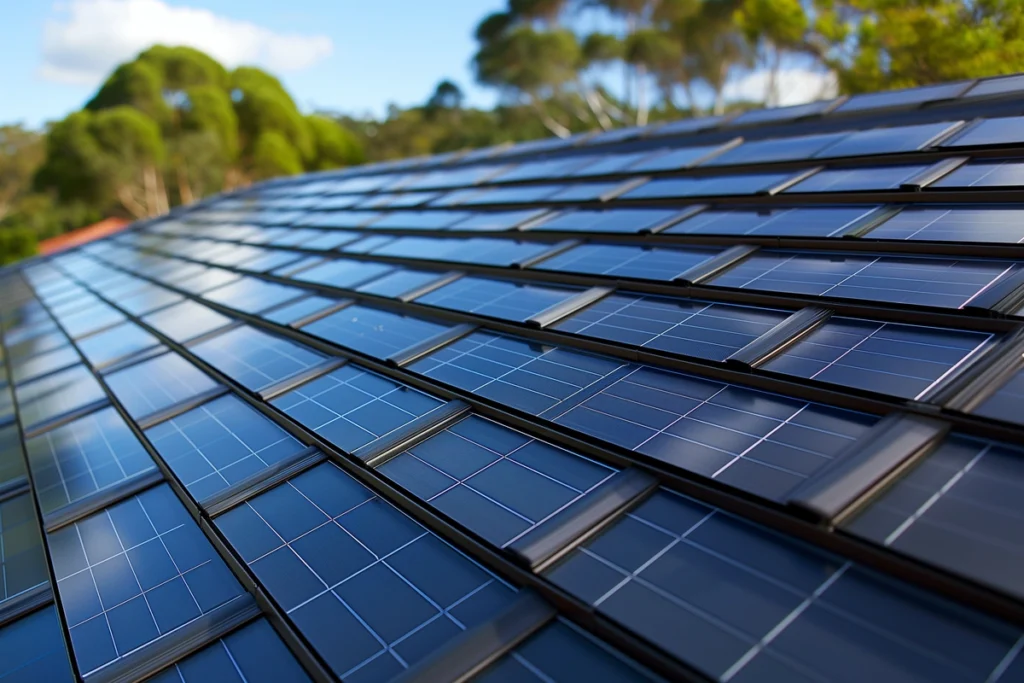
- Solar Shingles or Tiles: These look similar to standard roofing materials but contain embedded PV cells. They replace regular shingles or tiles, making them less conspicuous than bulky panels.
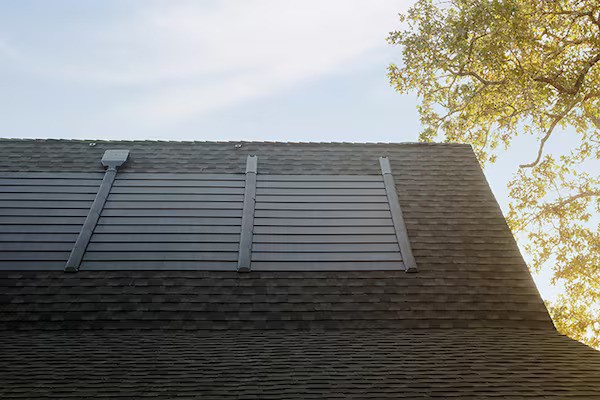
- Integrated Panel Systems: Some systems use slim, low-profile panels that are installed flush with the roof surface, combining the durability of modern roofing with the energy generation of solar technology.
How Do These Systems Work?
Hybrid solar roofs operate by converting sunlight into electricity through their integrated PV cells. The generated direct current (DC) is then converted into usable alternating current (AC) by an inverter, which can be used to power your home or business. Any surplus energy can be stored in batteries or sent back to the grid, depending on your setup and local regulations.
The hybrid aspect often refers to the combination of solar generation with other features, such as enhanced insulation, weatherproofing, or even the integration of energy storage solutions. This makes these systems versatile and adaptable to a range of climates and building types.
Key Benefits of Integrated Solar Roofs
Choosing a hybrid solar roof can offer several advantages over traditional solar panel installations:
- Improved Aesthetics: With solar cells built into the roofing material, these systems maintain a clean, modern look that blends with the building’s architecture.
- Enhanced Durability: Many hybrid roofs use high-quality materials designed to withstand harsh weather, providing both protection and energy generation.
- Space Efficiency: Since the solar technology is part of the roof itself, there’s no need for additional mounting hardware or space-consuming racks.
- Potential Cost Savings: While upfront costs can be higher, integrating solar during a roof replacement can offset some expenses and maximize long-term savings on energy bills.
- Increased Home Value: Energy-efficient upgrades are attractive to buyers and can boost property resale value.
For a deeper look at the benefits and design of solar roofing tiles, you can explore this comprehensive overview of solar roof tile advantages.
Considerations Before Installing a Hybrid Solar Roof
Before committing to a hybrid solar roofing project, it’s important to evaluate several factors:
- Roof Condition: Your existing roof must be in good shape. If it’s nearing the end of its lifespan, replacing it with a solar-integrated system can be a smart move.
- Local Climate: The amount of sunlight your property receives will impact the efficiency of your system. Shade from trees or neighboring buildings can reduce output.
- Building Codes and Permits: Check local regulations to ensure compliance. For more details, see solar roofing building codes for guidance on permitting and standards.
- Financing Options: Hybrid solar roofs can be a significant investment. Investigate available incentives, rebates, and solar roofing financing options to help manage costs.
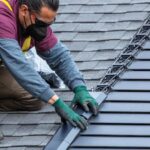
- System Compatibility: Not all homes are suitable for every type of hybrid system. Consult with a qualified installer to determine the best fit for your property.
Comparing Hybrid Solar Roofs to Traditional Solar Panels
While both options harness solar energy, there are notable differences between hybrid systems and standard rooftop panels:
- Installation: Integrated roofs are typically installed during a roof replacement or new construction, while panels can be retrofitted onto most existing roofs.
- Appearance: Hybrid solutions are less visible and more architecturally cohesive.
- Maintenance: Both require periodic cleaning to maintain efficiency. For cleaning tips, consider using specialized tools like a roof cleaning brush.
- Cost: Hybrid systems often have a higher upfront price but may offer better long-term value, especially if you’re already planning a new roof.
- Performance: The efficiency of solar shingles or tiles can be slightly lower than premium standalone panels, but ongoing advancements are narrowing this gap.
Maintenance and Longevity
Like any roof, hybrid solar systems require regular inspection and maintenance to ensure optimal performance. Most manufacturers recommend periodic cleaning to remove dirt, leaves, and debris. Using a gentle, non-abrasive brush can help maintain efficiency without damaging the integrated solar cells.
The lifespan of these systems generally matches or exceeds that of traditional roofing materials, with many products offering warranties of 20–30 years. Inverters and other electrical components may need replacement sooner, so factor this into your long-term maintenance plan. For more information on how inverters work with solar roofing, see solar roofing inverters explained.
Are Hybrid Solar Roofs Right for You?
Deciding whether to invest in a hybrid solar roof depends on your energy goals, budget, and the condition of your current roof. If you value aesthetics, want to maximize roof space, or are already planning a roof replacement, these systems can be a smart, future-proof investment. Be sure to consult with experienced installers and review your local building codes before moving forward.
For those with tile roofs, there are solutions tailored specifically for your needs. Learn more about solar roofing on tile roofs to see if a hybrid approach is compatible with your property.
Frequently Asked Questions
How much do hybrid solar roofing systems cost compared to traditional panels?
Integrated solar roofs typically have a higher upfront cost than standard panels due to the advanced materials and installation process. However, when combined with a roof replacement, the overall investment can be competitive. Long-term savings on energy bills and potential incentives may offset the initial expense.
Can hybrid solar roofs be installed on any type of building?
Most hybrid systems are designed for pitched residential roofs, but commercial options are available. The suitability depends on your roof’s structure, orientation, and local climate. Always consult a professional installer to assess compatibility.
What maintenance is required for integrated solar roofing?
Routine cleaning and periodic inspections are recommended to keep the system operating efficiently. Use a soft brush or a specialized cleaning tool to remove debris. Electrical components like inverters may need servicing or replacement over time.