


Managing energy efficiency in your home starts at the top—literally. A significant portion of household heat escapes through the attic, especially during colder months. If your goal is to reduce energy waste and keep your living space comfortable, addressing attic insulation is one of the most effective steps you can take. This guide explores practical strategies for minimizing heat loss, highlights the importance of quality materials, and explains how thoughtful installation can make a real difference in your home’s comfort and energy bills.
Before diving into the details, it’s helpful to understand that the right insulation not only keeps warmth inside but also helps control moisture and prevents issues like mold growth. For those living in regions with harsh winters, choosing the right approach can lead to substantial savings and improved indoor air quality. For more tailored advice, you may want to explore options for attic insulation for cold climates.

Understanding Why Attic Heat Escapes
Heat naturally rises, and without adequate barriers, it finds its way out through the roof. The main culprits behind this energy loss are insufficient insulation, air leaks, and gaps in the attic structure. Even small cracks or poorly sealed vents can allow warm air to escape, forcing your heating system to work harder and increasing your utility bills.
The stack effect—where warm air rises and escapes while drawing in cooler air from lower levels—can be particularly pronounced in older homes or those with outdated insulation. Addressing these issues is essential for maintaining a consistent indoor temperature and improving overall energy efficiency.
Choosing the Right Insulation Materials
Selecting the best insulation for your attic depends on your climate, budget, and the structure of your home. Common types include:
- Fiberglass batts: Widely available and affordable, these are easy to install but require careful placement to avoid gaps.
- Blown-in cellulose: Offers excellent coverage, especially for irregular spaces, and is made from recycled materials.
- Spray foam: Provides both insulation and air sealing in one step, but tends to be more expensive.
- Rigid foam boards: Useful for targeted areas or as an additional layer over existing insulation.
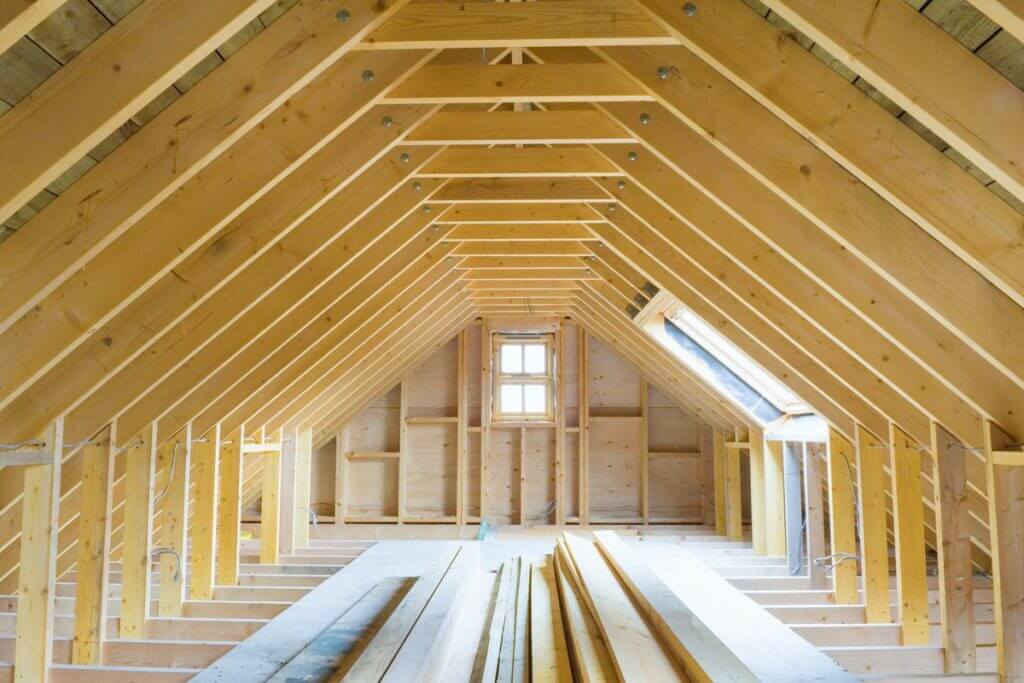
The R-value measures insulation’s resistance to heat flow—the higher the R-value, the better the performance. In colder climates, a higher R-value is recommended to maximize energy savings. For more details on how insulation affects your monthly expenses, see how attic insulation reduces energy bills.
Sealing Air Leaks to Maximize Efficiency
Even the best insulation won’t deliver full benefits if air leaks are left unaddressed. Common sources of leaks in the attic include:
- Gaps around plumbing vents and electrical wiring
- Openings near chimneys or flues
- Unsealed attic hatches or pull-down stairs
- Cracks along the top plates of walls
Use caulk or expanding spray foam to seal small gaps, and weatherstripping for larger openings like attic doors. Pay special attention to areas where different building materials meet, as these are often overlooked but can contribute significantly to heat loss.
Proper Installation Techniques for Lasting Results
How insulation is installed is just as important as the type you choose. Gaps, compression, or uneven coverage can reduce effectiveness. Here are some installation tips:
- Ensure insulation covers the entire attic floor without leaving exposed areas.
- Avoid compressing batts or rolls, as this lowers their R-value.
- Install insulation around—never over—recessed lighting fixtures unless they are rated for direct contact.
- Maintain clear airflow from soffit vents to prevent moisture buildup.
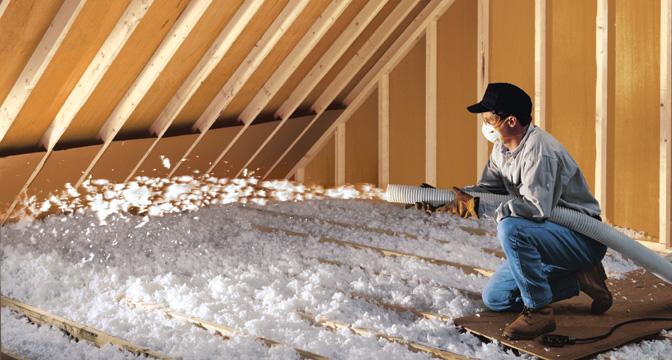
If you’re unsure about tackling this project yourself, consider hiring a professional. They can assess your attic, recommend the best materials, and ensure everything is installed to code.
Addressing Moisture and Ventilation Concerns
Insulation and ventilation must work together to prevent condensation and mold. Trapped moisture can damage insulation, reduce its effectiveness, and create an environment for mold growth. Make sure your attic has adequate ventilation—typically through soffit and ridge vents—to allow moisture to escape.
For more on this topic, you can read about attic insulation and moisture control, which explains how to balance warmth retention with proper airflow.
Additional Tips for Reducing Heat Loss in the Attic
- Check insulation depth regularly and add more if levels have settled over time.
- Install attic stair covers or insulated hatches to block heat from escaping through access points.
- Use vapor barriers where appropriate to prevent moisture from seeping into insulation layers.
- Inspect for signs of pests, as rodents can disturb insulation and create new gaps.
- Schedule periodic professional inspections to ensure continued performance.
Frequently Asked Questions
What is the most effective way to stop heat from escaping through the attic?
The most effective approach combines high-quality insulation with thorough air sealing. Using materials with a high R-value and ensuring all gaps and cracks are sealed will greatly reduce heat loss. Regular inspections and maintenance also help maintain efficiency.
How do I know if my attic insulation needs to be replaced?
Signs that your insulation may need replacing include uneven temperatures in your home, higher energy bills, visible gaps or thinning insulation, and evidence of moisture or pest damage. If you notice any of these issues, it’s worth consulting a professional for an assessment.
Can adding more insulation help with mold prevention?
Yes, increasing insulation can help regulate temperature and reduce condensation, which in turn helps prevent mold. However, it’s equally important to ensure proper ventilation and moisture control. For more information, see this guide on attic insulation and mold prevention.
Is there a difference between insulation for hot and cold climates?
Absolutely. Homes in colder regions typically require insulation with a higher R-value to retain heat, while those in warmer climates focus on keeping heat out. For guidance specific to warmer areas, you can explore attic insulation for hot climates.
Taking the time to address attic insulation and air sealing can yield significant benefits for both comfort and energy efficiency. By choosing the right materials, ensuring proper installation, and maintaining good ventilation, you can keep your home warmer in winter, cooler in summer, and more affordable to heat and cool year-round.


