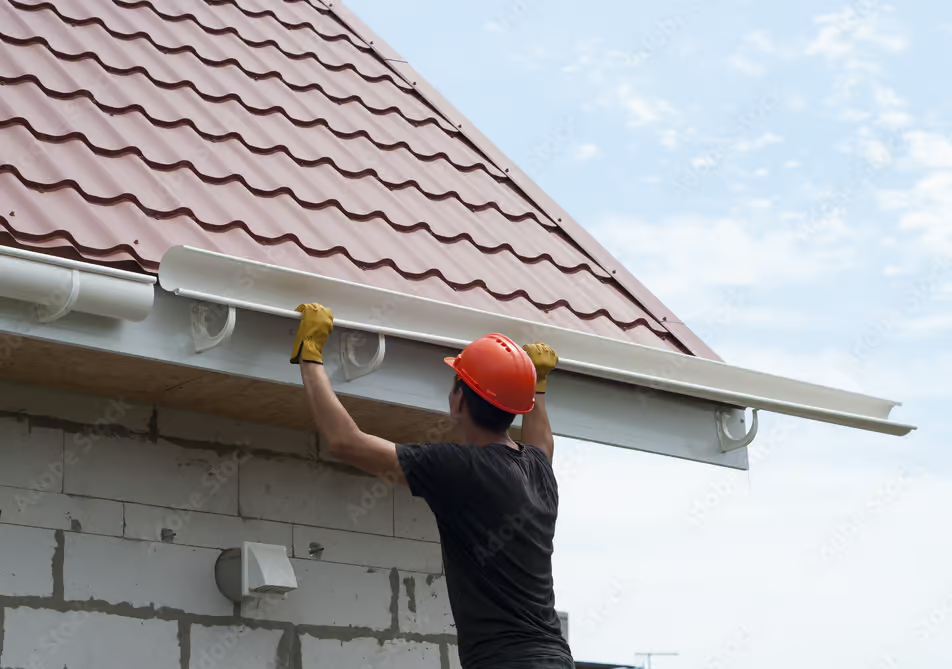
Installing gutters on a flat roof can seem daunting, but with the right guidance, it is an achievable task for homeowners. Whether you’re looking to protect your home from water damage or improve its aesthetic appeal, understanding how to install gutters on flat roofs is essential. This guide will walk you through the process, providing tips and insights to ensure your project is a success.
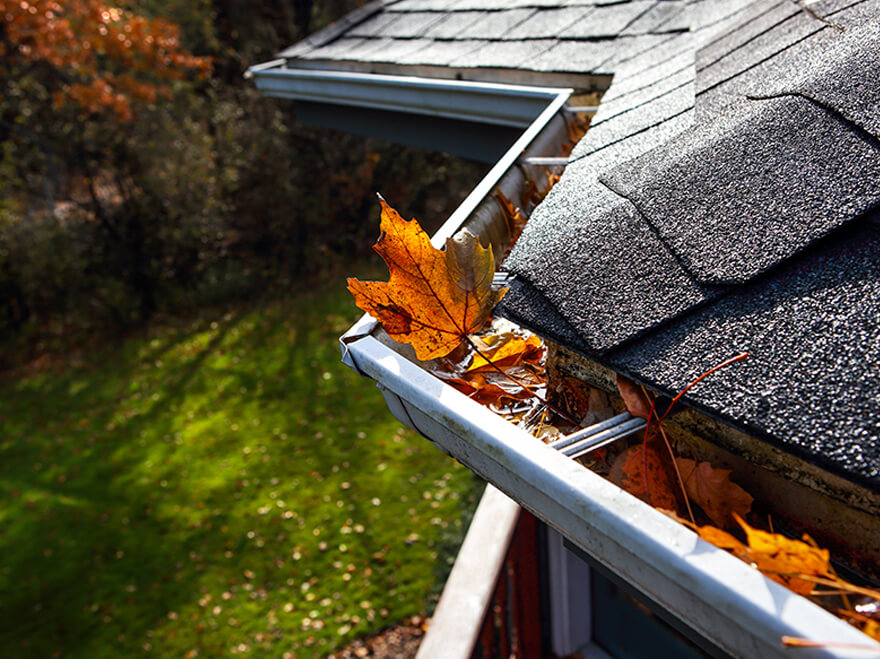
Why Gutters Are Important for Flat Roofs
Flat roofs have different drainage needs compared to pitched roofs. Without proper drainage systems, water can pool on the surface, leading to leaks and potential damage. Installing gutters helps divert water away from the structure, protecting the roof and the homes foundation. To learn more about ensuring proper roof water runoff, visit this guide.
Types of Gutters Suitable for Flat Roofs
K-Style Gutters
K-style gutters are popular due to their aesthetic appeal and efficiency. They can handle more water than half-round gutters, making them ideal for areas with heavy rainfall.
Box Gutters
Box gutters are integrated into the roof structure, providing a seamless look. They are capable of handling large volumes of water, which is beneficial for flat roofs.
Half-Round Gutters
These traditional gutters are suitable for homes with a classic design. They are effective but may not handle heavy rainfall as efficiently as K-style or box gutters.
Planning Your Gutter Installation
Assessing Roof Size and Slope
Before installation, measure the roof’s size and slope to determine the amount and type of guttering needed. Flat roofs typically have a slight slope to aid in water runoff.
Choosing the Right Materials
Gutters are available in materials such as aluminum, vinyl, and copper. Each has its benefits and costs, so choose one that fits your budget and aesthetic preference.
Tools and Materials Required
- Gutters and downspouts
- Brackets and screws
- Measuring tape
- Drill and drill bits
- Sealant
- Safety gear
Step-by-Step Installation Guide
Step 1: Mark the Gutter Line
Using a measuring tape and chalk, mark where the gutters will be installed. Ensure the line has a slight slope towards the downspouts for efficient drainage.
Step 2: Install Gutter Brackets
Drill holes into the fascia and attach the brackets along the marked line. The brackets should be spaced according to the manufacturer’s guidelines, usually every 2-3 feet.
Step 3: Attach the Gutters
Secure the gutters to the brackets, ensuring they are aligned with the marked line. Use sealant at the joints to prevent leaks.
Step 4: Install Downspouts
Attach the downspouts to the outlets at the ends of the gutters. Ensure they direct water away from the building’s foundation. For more on sealing roof drainage systems, check out these tips.
Maintenance Tips for Gutter Longevity
Regular maintenance is crucial to ensure the longevity of your gutters. Clean them at least twice a year to remove debris and check for any signs of wear or damage.
Common Mistakes to Avoid
Avoid common mistakes such as improper slope, neglecting maintenance, and using incompatible materials. These can lead to inefficient drainage and potential roof damage.
Benefits of Professional Installation
While DIY installation is possible, hiring a professional ensures the job is done correctly and safely. Professionals have the experience and tools necessary for a seamless installation.
Cost Considerations
The cost of installing gutters on a flat roof varies based on materials, labor, and the roof’s size. On average, expect to spend between $5 and $10 per linear foot for materials and installation.
Environmental Benefits of Gutters
Gutters not only protect your home but also contribute to environmental conservation by directing rainwater into collection systems for reuse. Learn more about integrating rain barrels with roof drainage at this link.
Conclusion
Understanding how to install gutters on flat roofs is an invaluable skill for homeowners. Proper installation and maintenance ensure your home is protected from water damage while enhancing its overall look. For more information on best DIY roof drainage solutions, visit our resource.
FAQ
What type of gutter is best for a flat roof?
K-style and box gutters are often recommended due to their ability to handle large water volumes.
How often should I clean my gutters?
It’s advisable to clean your gutters at least twice a year, or more frequently if you live in an area with heavy rainfall or many trees.
Can I install gutters myself?
Yes, with the right tools and guidance, DIY installation is possible. However, hiring a professional is recommended for optimal results.
This article contains affiliate links. We may earn a commission at no extra cost to you.