


A leaking roof can cause significant problems long before you notice water dripping from the ceiling. Early identification is crucial to prevent costly repairs, mold growth, and structural issues. Learning how to detect roof leaks before they escalate helps homeowners protect their property and maintain a healthy living environment.
This guide explains practical steps for spotting signs of moisture intrusion, offers tips for inspecting vulnerable areas, and highlights what to do if you suspect a problem. By understanding the warning signals and acting quickly, you can minimize the risk of widespread damage.
For homeowners interested in keeping their attic dry and energy-efficient, it’s also worth reviewing attic insulation seasonal maintenance tips to further safeguard your home.
Why Early Leak Detection Matters
Roof leaks rarely resolve themselves. Even a small drip can lead to water stains, rotting wood, ruined insulation, and electrical hazards. Over time, moisture can compromise the structural integrity of your roof and attic, resulting in expensive repairs. Mold and mildew thrive in damp environments, potentially causing health issues for residents. By identifying leaks early, you can address minor issues before they become major headaches.
Common Signs of a Leaking Roof
Recognizing the early indicators of a roof leak is the first step in prevention. Here are some warning signs to watch for:
- Water stains on ceilings or walls, often yellowish or brown in color
- Peeling paint or bubbling plaster near the ceiling
- Mold or mildew in the attic or upper floors
- Musty odors that persist, especially after rain
- Visible drips or moisture during or after storms
- Damaged or missing shingles visible from the ground
- Rust or corrosion on metal components in the attic
If you notice any of these symptoms, it’s important to investigate further. Sometimes, the source of the leak is not directly above the visible damage, as water can travel along beams and insulation before showing up inside.
Step-by-Step Guide: How to Spot Roof Leaks Before They Worsen
Regular inspections and a systematic approach can help you catch leaks early. Follow these steps to check your home for signs of trouble:
- Inspect the attic: Use a flashlight to look for damp spots, dark stains, or mold on rafters and insulation. Pay special attention after heavy rain.
- Check insulation: Wet or compressed insulation is a clear indicator of water intrusion. If you find any, trace the moisture back to its source. For more guidance, see our article on how to inspect attic insulation.
- Look for daylight: Turn off attic lights during the day and look for sunlight peeking through the roof boards. Any visible gaps could allow water in.
- Examine the roof exterior: From the ground, look for missing, curled, or damaged shingles. Use binoculars for a closer view if needed.
- Inspect flashing and seals: Pay attention to areas around chimneys, vents, and skylights. Damaged or loose flashing is a common entry point for water.
- Check gutters and downspouts: Blocked or overflowing gutters can force water under the roof edge. Ensure they are clear and securely attached.
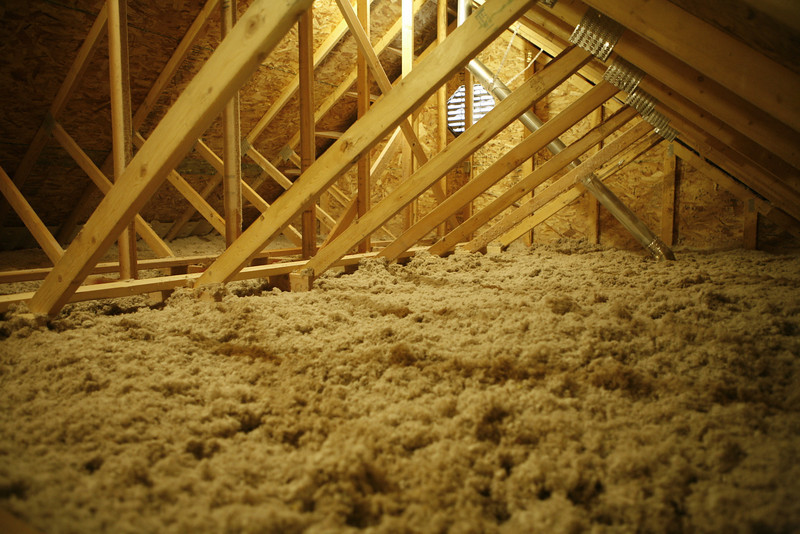
Consistent monitoring, especially after storms or seasonal changes, is key to preventing leaks from going unnoticed.
Areas Most Vulnerable to Moisture Intrusion
Some parts of the roof are more prone to leaks than others. Focusing your inspection on these high-risk zones increases your chances of early detection:
- Valleys where two roof slopes meet
- Areas around chimneys, skylights, and vents
- Roof edges and eaves
- Low-slope or flat sections
- Flashing joints and seams
- Under damaged or missing shingles
If you find any suspicious spots, mark them for further investigation or repair.
What to Do If You Suspect a Leak
If you think water is entering your home, act quickly to limit damage:
- Move valuables and furniture away from affected areas
- Contain water with buckets or towels
- Document the damage with photos for insurance purposes
- Contact a qualified roofing professional for a thorough inspection and repairs
Avoid climbing onto the roof yourself, especially in wet or icy conditions. Professional roofers have the tools and experience to identify and fix leaks safely.
Preventive Maintenance to Avoid Future Leaks
Prevention is always better than cure. Here are some maintenance tips to keep your roof in top shape:
- Schedule regular roof inspections, especially after severe weather
- Keep gutters and downspouts clean and free of debris
- Trim overhanging tree branches that could damage shingles
- Replace damaged or missing shingles promptly
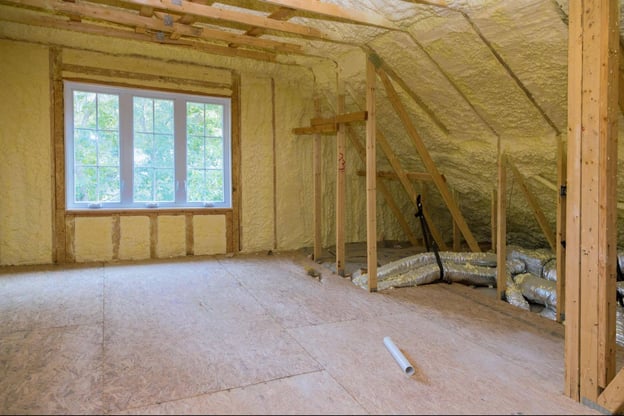
- Check attic insulation and ventilation to prevent condensation issues
- Monitor for attic insulation replacement signs that could indicate moisture problems
Staying proactive with maintenance can extend the life of your roof and reduce the risk of leaks.
Understanding the Role of Attic Insulation in Leak Detection
Attic insulation not only helps regulate your home’s temperature but also acts as an early warning system for leaks. Wet or moldy insulation often signals a hidden problem above. Regularly checking your attic for attic insulation common problems can help you catch leaks before they spread. If you notice uneven or damp insulation, it’s time to investigate further or consult a professional.
For more information on keeping your attic in good condition, see our guide on how to maintain attic insulation for long-term performance.
Frequently Asked Questions
What are the most common causes of roof leaks?
The most frequent causes include damaged or missing shingles, deteriorated flashing around chimneys and vents, clogged gutters, and poor roof installation. Weather events such as heavy rain, hail, or wind can also create vulnerabilities.
How often should I inspect my roof for leaks?
It’s recommended to check your roof and attic at least twice a year, ideally in the spring and fall. Additional inspections should be done after major storms or if you notice any warning signs like water stains or musty smells.
Can I fix a roof leak myself, or should I call a professional?
Minor issues, such as replacing a missing shingle, may be manageable for experienced DIYers. However, most leaks require professional assessment to ensure the underlying problem is addressed safely and thoroughly. Attempting repairs without proper knowledge can lead to further damage or personal injury.


