


Many homeowners are searching for practical ways to cut down on their utility costs. One of the most effective yet often overlooked solutions is improving the insulation in your attic. Understanding how attic insulation reduces energy bills can help you make informed decisions that benefit both your wallet and your home’s comfort. This article explores the science behind attic insulation, its impact on energy consumption, and actionable steps to maximize your savings.
If you’re curious about the broader benefits, you may also want to read about why attic insulation is important for every home.
The Role of Attic Insulation in Home Energy Efficiency
The attic is a critical area in any house when it comes to energy conservation. Heat naturally rises, and without proper insulation, much of your home’s warmth escapes through the roof during winter. In summer, the attic can become a heat trap, causing your air conditioning to work harder. By installing or upgrading insulation, you create a barrier that slows the transfer of heat, keeping your living spaces more comfortable year-round.
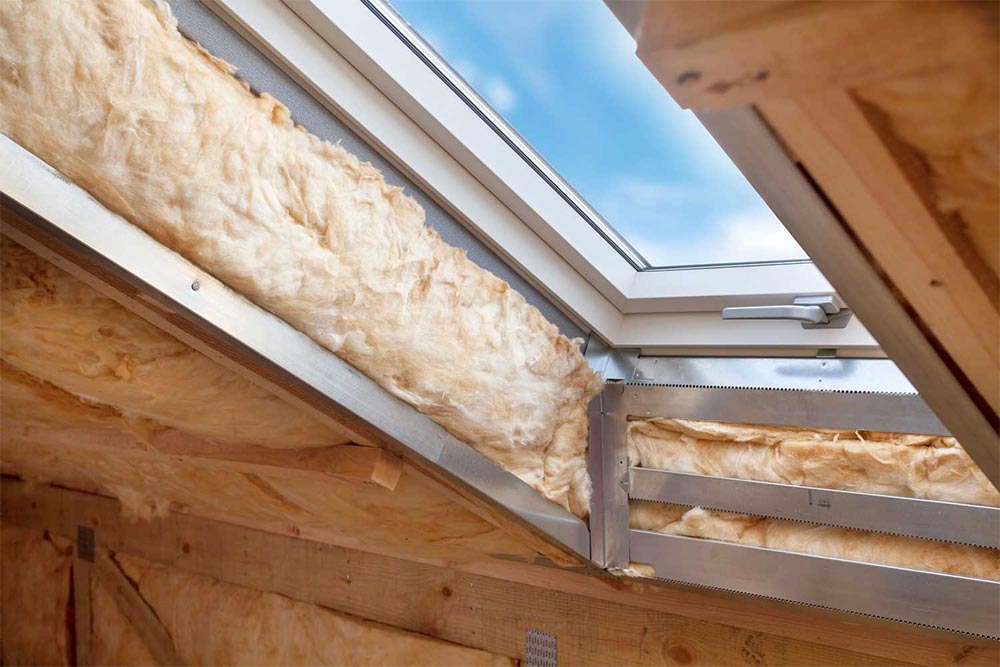
The effectiveness of attic insulation is measured by its R-value, which indicates resistance to heat flow. The higher the R-value, the better the insulation’s performance. Materials like fiberglass batts, blown-in cellulose, and spray foam are common choices, each offering different benefits and installation methods.
How Proper Insulation Lowers Heating and Cooling Costs
One of the main reasons how attic insulation reduces energy bills is its ability to maintain a consistent indoor temperature. When your attic is well-insulated, your heating and cooling systems don’t need to run as often or as long to keep your home comfortable. This directly translates to lower energy usage and, ultimately, reduced monthly expenses.
- Winter Savings: Insulation prevents warm air from escaping, allowing your furnace to operate more efficiently.
- Summer Benefits: It blocks excessive heat from entering, so your air conditioner doesn’t have to work overtime.
- Year-Round Comfort: Consistent temperatures mean less reliance on HVAC systems, reducing wear and tear and extending their lifespan.
According to the U.S. Department of Energy, proper attic insulation can save homeowners up to 15% on heating and cooling costs. The exact savings depend on your climate, the age of your home, and the current state of your insulation.
Signs Your Attic May Need Better Insulation
Not sure if your attic is adequately insulated? There are several indicators that your home could benefit from an upgrade:
- Uneven temperatures between rooms or floors
- Ice dams forming on the roof in winter
- High energy bills despite moderate thermostat settings
- Drafts or cold spots in upper-level rooms
- Visible gaps, thin spots, or compressed insulation in the attic
If you notice any of these issues, it may be time to assess your attic’s insulation. For tips on evaluating your current setup, see this guide on how to check attic insulation thickness.

Choosing the Right Insulation for Maximum Savings
Selecting the best insulation material and thickness is essential for optimizing energy savings. The ideal R-value varies depending on your region and local building codes. In colder climates, a higher R-value is recommended, while milder areas may require less.
Common attic insulation types include:
- Fiberglass batts: Easy to install and widely available, suitable for standard joist spacing.
- Blown-in cellulose: Good for filling irregular spaces and adding insulation over existing layers.
- Spray foam: Provides excellent air sealing and high R-values, though it is typically more expensive.
To determine the right amount for your home, refer to this resource on how much attic insulation do I need.
Additional Benefits Beyond Energy Bill Reduction
While the main advantage is lowering utility costs, attic insulation offers several other perks:
- Improved indoor air quality: Insulation helps block dust, pollen, and outdoor pollutants from entering your home.
- Noise reduction: A well-insulated attic can dampen outside noise, making your living space quieter.
- Moisture control: Proper insulation, combined with air sealing, can prevent condensation and mold growth.
- Protection against ice dams: Insulation helps maintain a consistent roof temperature, reducing the risk of ice dams in winter. For more on this, explore how attic insulation prevents ice dams.
Steps to Upgrade Your Attic Insulation
If you’ve decided to improve your attic’s insulation, follow these steps for the best results:
- Inspect existing insulation: Check for gaps, thin areas, or signs of moisture damage.
- Seal air leaks: Use caulk or spray foam to close gaps around pipes, vents, and electrical fixtures.
- Choose the right material: Select insulation that meets your climate and budget needs.
- Install to recommended depth: Ensure the insulation reaches the required R-value for your area.
- Maintain ventilation: Keep soffit and ridge vents clear to prevent moisture buildup.
For older homes or if you’re unsure about DIY installation, consider hiring a professional. They can assess your attic and recommend the most effective solutions.
Frequently Asked Questions
How much can I expect to save on my energy bills with new attic insulation?
Savings depend on your home’s size, climate, and current insulation levels. On average, homeowners see a reduction of 10–15% in heating and cooling costs after upgrading attic insulation.
How do I know if my attic needs more insulation?
Look for uneven temperatures, high energy bills, or visible gaps in your attic’s insulation. You can also measure the thickness and compare it to recommended R-values for your region.
Can I install attic insulation myself, or should I hire a professional?
Many homeowners can install fiberglass batts or blown-in insulation with proper safety precautions. However, for complex jobs or spray foam applications, it’s best to consult a professional to ensure optimal performance and safety.


